Diplomatic Tensions Surge as Ukraine Accuses Israel of Accepting Grain Seized in Russian-Occupied Territory
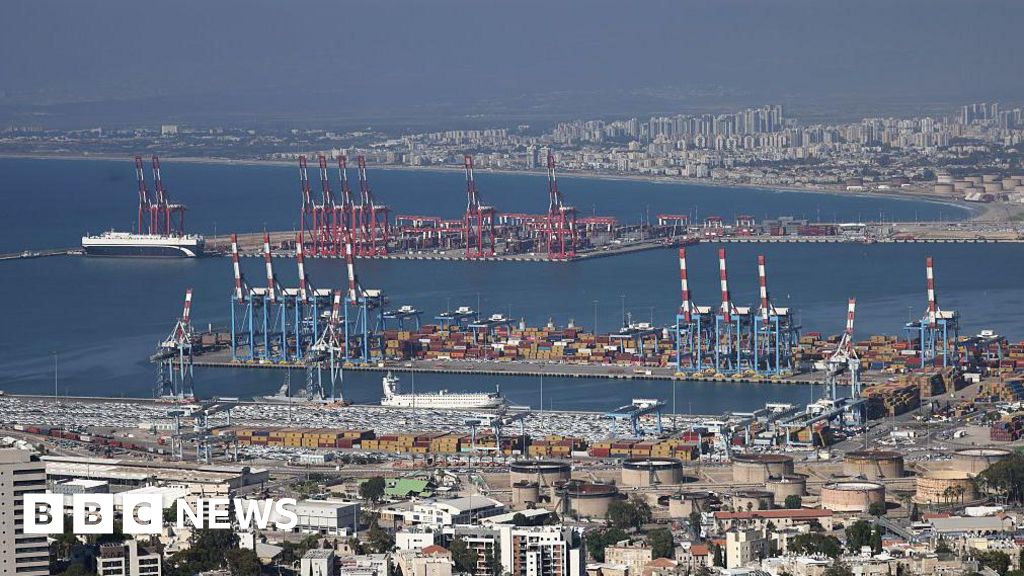
A significant diplomatic disagreement has surfaced between Ukraine and Israel regarding the alleged importation of agricultural goods. Ukrainian leadership has formally accused Israel of facilitating the unloading of shipments of grain that, according to Kyiv, were illicitly obtained from Ukrainian-controlled ports by Russian forces. The accusations suggest that these materials are reaching Israeli harbors, fueling concerns over the integrity of international trade routes and bilateral relationships.
Concerns intensified after reports emerged detailing the arrival of additional vessels suspected of carrying such cargo into Israeli waters. Ukrainian officials stressed that the Israeli government should have clear oversight regarding the contents of goods entering its ports. The dispute escalated when Ukrainian diplomatic representatives reportedly summoned their ambassador in Kyiv to formally protest the perceived inaction concerning the alleged flow of compromised agricultural commodities.
What This Means: Impact on International Trade and Diplomacy
The dispute underscores deep rifts over the control and ownership of Ukrainian resources following the conflict. By publicly challenging the acceptance of these materials, Ukraine is escalating the stakes, placing the issue of commodity provenance at the heart of its diplomatic protests. For Israel, the response from its foreign ministry indicated a firm rejection of what it termed online political maneuvering, suggesting that such accusations must be supported by tangible evidence rather than public digital platforms. The disagreement highlights differing national stances on international law and the logistics of wartime commerce.
Background and Context: Disputes Over Grain Supply
The friction appeared to gain momentum following media reports suggesting that multiple vessels carrying grain reportedly sourced from Ukrainian territories under Russian occupation had previously been discharged in Israeli ports earlier in the year. These reports prompted a rapid and robust diplomatic backlash from Kyiv. The exchange quickly involved multiple high-level officials from both nations. Official statements from the Kremlin, meanwhile, maintained a policy of non-engagement regarding the specifics of the dispute, refusing to comment on the allegations made by the involved parties. This exchange demonstrates the complex interplay between geopolitical conflict, global food security, and national sovereignty claims in the modern media landscape.
About the Author