Safety Under the Microscope: Reviewing Air Traffic Procedures After Multiple Incidents
Recent occurrences involving near-misses and runway incidents at major metropolitan airports are intensifying federal scrutiny over current air traffic control and operational safety protocols. These varied events, occurring at different times and locations, have prompted authorities to reassess human factors, procedural adherence, and the safety margins built into complex aviation environments. The incidents underscore the inherent risks associated with high-volume airport operations, even when multiple safety systems are in place.
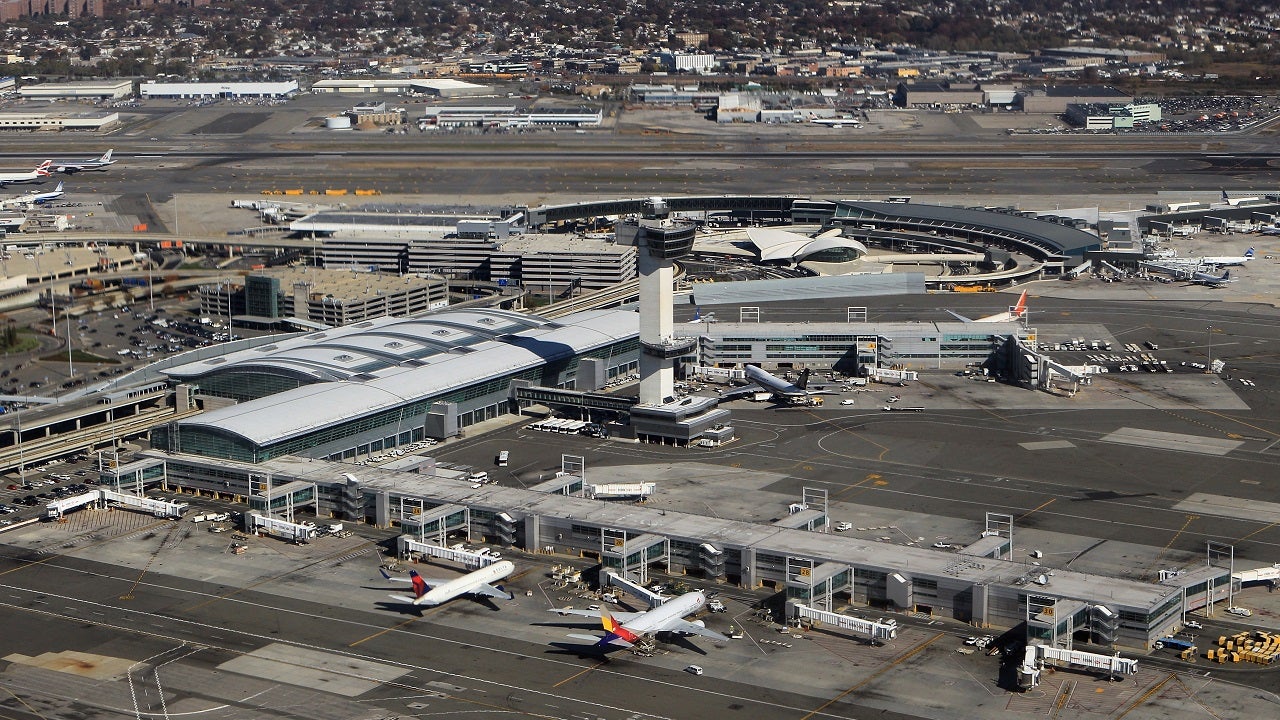
On one notable occasion, two commercial aircraft approached John F. Kennedy International Airport in close proximity, triggering onboard collision warning systems for the crews involved. During this event, one carrier was cleared for landing on a parallel runway while another was maneuvering into the airspace. The situation necessitated a significant maneuver, prompting one aircraft to execute a precautionary go-around to maintain safe separation from the other air traffic.
These reports of close calls, coupled with other high-profile runway accidents, signal a period of heightened review within the industry. Regulators are reportedly examining everything from controller decision-making to the efficiency of runway management to ensure the highest levels of safety for the traveling public.
Significance for Aviation Oversight
The pattern of incidents suggests that the focus of investigation is moving beyond mechanical failure to deeply examine human and procedural elements. When accidents or near-misses occur, regulatory bodies typically concentrate on how information was communicated, how pilots responded to conflicting instructions or unusual traffic patterns, and whether existing operational guidelines were followed rigorously. An admission of procedural error from air traffic control personnel, as cited in relation to one investigation, adds a specific dimension to the review, pointing directly at the critical role of human judgment within the system.
Context of Complex Operations
Major international airports serve as vital nodes in global travel networks, meaning they operate under extreme levels of complexity, often processing numerous arrivals and departures simultaneously. This constant, high-tempo environment naturally increases the potential for human error or procedural lapses. Furthermore, the combination of different airlines operating out of the same restricted airspace, utilizing multiple runways, and managing variable weather conditions creates a challenging operational matrix that requires flawless execution from all parties involved—pilots, ground crews, and air traffic controllers alike.
The findings from these ongoing investigations are anticipated to result in updated recommendations for both training curricula and airport operational procedures. The objective remains consistent: reinforcing systemic resilience to prevent future deviations from safe flight parameters.
About the Author