A Web of Accountability: Legal Focus Shifts After Shreveport Tragedy
A federal investigation has brought charges against a Shreveport resident in connection with the devastating multi-scene domestic incident that occurred over the weekend. Authorities have focused not only on the immediate shooter but also on individuals involved in the chain of events that led to the use of the firearms. The Department of Justice announced the apprehension of a 56-year-old man who is alleged to have provided the rifle central to the horrific shooting.
This development highlights a key aspect of the ensuing investigation: the examination of how firearms come into the hands of individuals who later commit violence. Law enforcement agencies are scrutinizing the entire supply chain, attempting to establish accountability beyond the person who discharged the weapon. The evidence traced the rifle back to the accused individual, who was identified as its original purchaser.
Understanding the Circumstances of the Attack
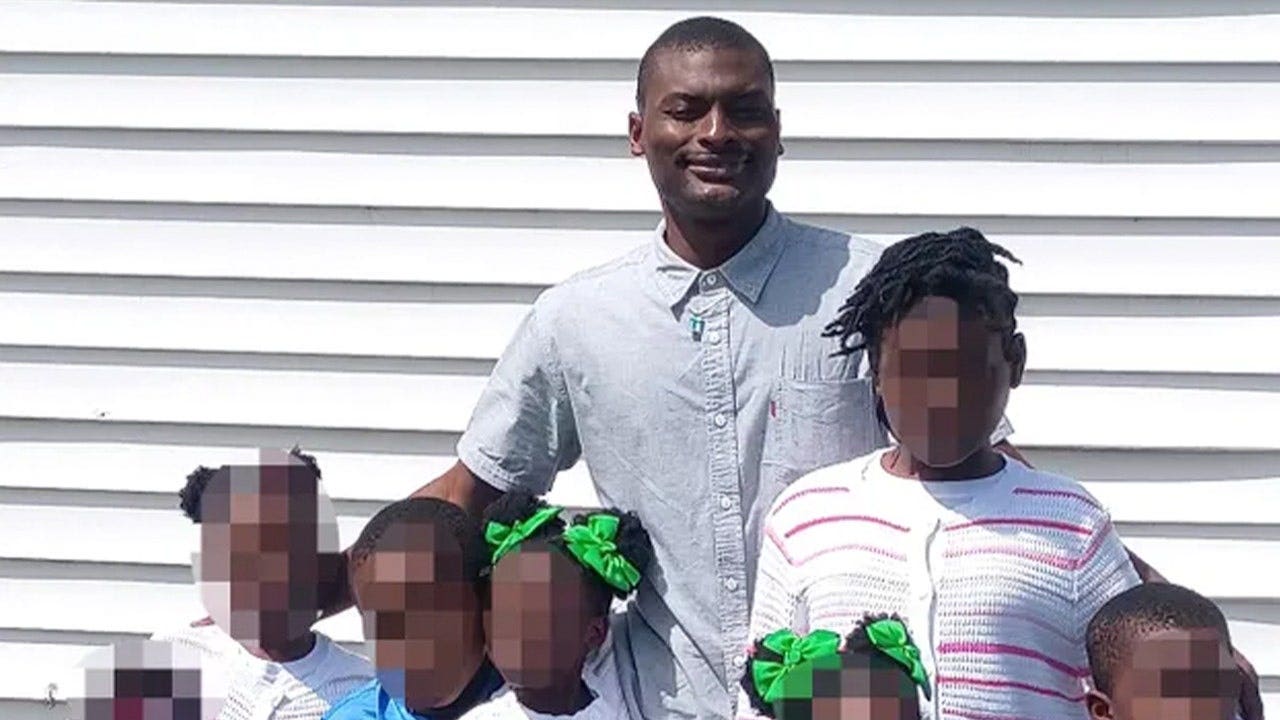
The critical incident unfolded when a 31-year-old man allegedly acquired the weapon and initiated a violent domestic rampage across multiple locations. The confrontation ended when police officers intervened, resulting in the suspect’s death. Among the victims, authorities confirmed that seven of the eight individuals deceased were his own children, indicating a profound and devastating family tragedy.
In addition to the possession of the weapon, the man now charged is accused of misleading federal agents. Reports indicate that initially, he denied ever possessing the firearm during questioning. Only later did he admit to having kept it stored in his vehicle, initially suggesting he believed the suspect had taken it.
Implications for Firearm Regulation and Control
The federal agency investigating the case stressed that addressing violent crime requires holding accountable not only the person who commits the violence but also those who facilitate access to weapons. This suggests a broader prosecutorial interest in the regulations and transfers of firearms. The investigation has utilized both local police resources and federal tracing capabilities to identify the rifle’s source and movements, painting a detailed picture of its handling.
The focus on the original purchaser and his subsequent deceit suggests that the prosecution intends to pursue charges related to the illegal transfer and possession of the weapon. This effort underscores a wider law enforcement emphasis on preventative measures regarding dangerous items, using this devastating event as a catalyst for deepening scrutiny into firearm ownership practices within the community.
About the Author