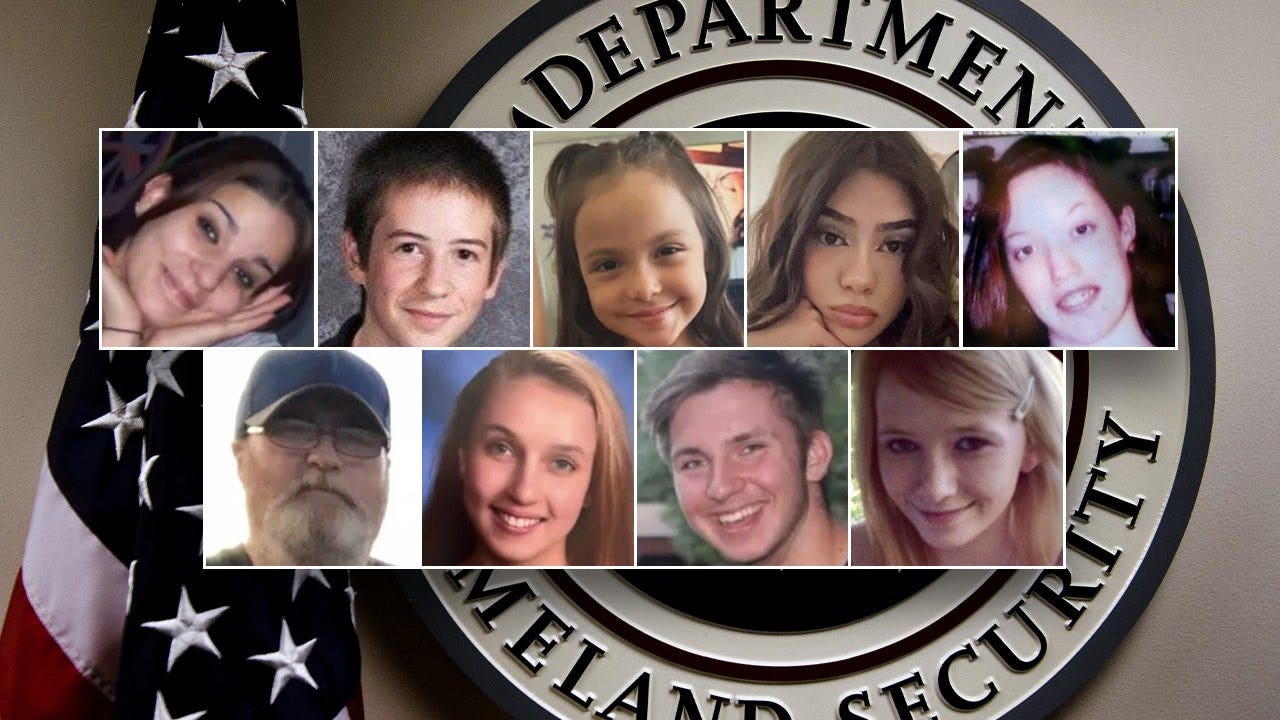
Reaffirming Support for Victims During National Crime Victims Week
During National Crime Victims Week, federal agencies have focused significant attention on the enduring impact of criminal victimization across the nation. Officials have highlighted the essential need to support the families and individuals who have suffered losses due to violent crime. The initiatives underscore a commitment to ensuring that victims and their loved ones have access to necessary resources and advocacy support as they begin the difficult process of recovery.
A key component of this renewed focus involves dedicated support mechanisms aimed at assisting those whose families have been profoundly affected by criminal acts. Support efforts include services designed to help victims navigate complex immigration enforcement issues and stay informed about the status of custody cases. Furthermore, connecting affected families with existing community and social support networks remains a central priority for these departmental initiatives.
Significance and Impact of Victim Support Efforts
These concentrated efforts signal a governmental emphasis on restoring crucial support structures for crime victims. By actively managing communication channels regarding enforcement actions and directing families toward local aid, the resources aim to mitigate secondary crises often faced by victims. The reported statistics regarding the types of crimes—including violent assault, sexual assault, and homicide—underscore the breadth and severity of the challenges faced by communities, necessitating sustained governmental attention and actionable support.
Context of Enhanced Federal Focus
The recent re-emphasis on these victim engagement efforts follows shifts in departmental priorities. Certain specialized offices dedicated to victim advocacy have been reinstated or elevated in focus, indicating a governmental effort to centralize and amplify support. These actions suggest a legislative and administrative push to ensure that the voices and needs of victims are more prominently acknowledged in public discourse and policy discussions.
Advocates within the agency have spoken out, asserting that support for victims must remain robust and that preventing violent crime is paramount. The commitment articulated is that protecting the American populace and their families from criminal harm is a non-negotiable national priority, emphasizing that many violent incidents are preventable through proactive measures and stronger community safeguards. This commitment speaks to a broader policy goal: bolstering the safety and security of American citizens and residents alike.
About the Author