Evaluating US Forces in Germany Amid Heightened Diplomatic Friction
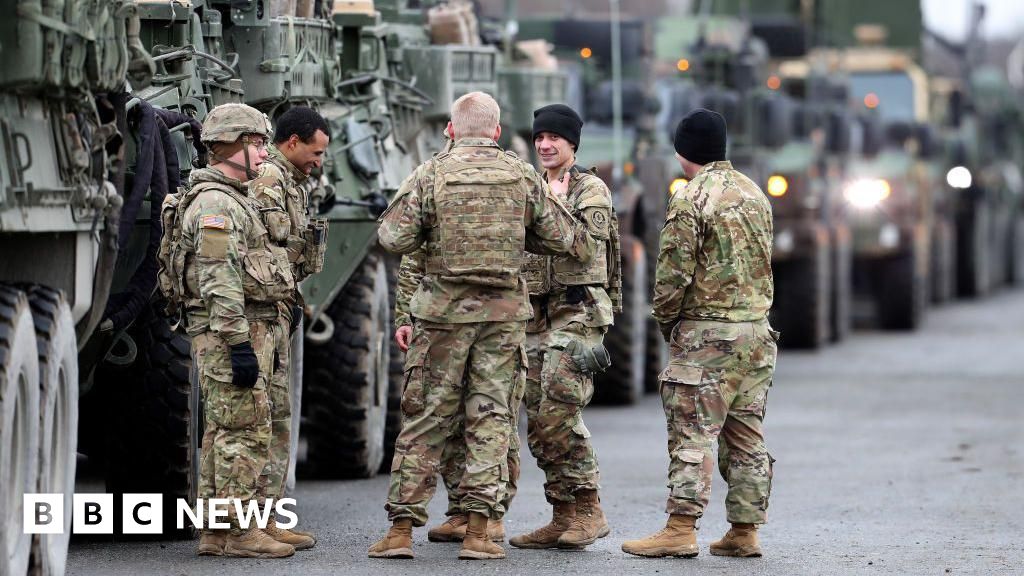
The United States is reportedly examining the feasibility of scaling back the substantial number of military personnel currently stationed across Germany. This consideration comes amid growing public and political disagreements regarding America’s global military commitments and its approach to complex geopolitical hotspots.
The discussions surrounding potential troop adjustments highlight a period of uncertainty regarding the long-term structure of NATO’s alliance footprint in Europe. Significant numbers of active-duty service members are currently tasked with maintaining a presence across various bases within Germany, making any decision to reduce this footprint a matter of considerable strategic and logistical weight for U.S. defense planners.
These discussions occur against a backdrop of pointed disagreements between high-profile American political figures and German political leaders, illustrating a strain in transatlantic diplomatic relations. The focus has shifted away from consistent cooperation toward sharp, public disagreements over foreign policy priorities and international conflict management.
What This Means: Implications for Alliance Stability
The potential drawdown of U.S. troops in Germany carries profound implications for NATO’s cohesion and the security architecture of Europe. A reduction in American military assets could signal a strategic pivot, potentially changing how regional security threats are managed by allies. Furthermore, the public disagreements between leadership factions underline deeper structural debates about alliance management—whether defense responsibilities must be balanced more evenly among all member nations. These tensions suggest that achieving consensus on joint military strategy remains challenging, even amidst ongoing international crises.
Background and Context: Navigating International Disputes
Recent diplomatic exchanges have been dominated by criticism surrounding involvement in conflicts in the Middle East and the ongoing war in Ukraine. Notably, a prominent German political figure voiced criticism regarding the perceived effectiveness of U.S. diplomatic efforts in resolving certain regional disputes, suggesting that negotiations had resulted in a perceived diplomatic setback for the United States. The German leader emphasized the critical importance of maintaining strong transatlantic solidarity while questioning the clear, overarching strategy being employed by American forces abroad.
Further intensifying the diplomatic climate, political rhetoric has become increasingly pointed, with public statements challenging the judgment and economic stability of neighboring nations. These exchanges frequently touch upon differing views regarding nuclear proliferation and national economic policy, creating a volatile environment that overshadows routine defense coordination.
About the Author