Global energy markets experienced significant volatility recently, with crude oil prices surging to levels not seen since early 2022. The primary catalyst for this upward movement appeared to be escalating geopolitical tensions surrounding the Middle East, specifically involving potential escalations in the region.
Reports surfaced suggesting that high-level U.S. military officials were preparing briefings for the President regarding potential new military options related to Iran. These developments signaled a potential shift from diplomatic engagement to more assertive measures. The discussions reportedly centered on developing plans for what were described as swift and decisive strikes aimed at resolving protracted negotiations in the area.
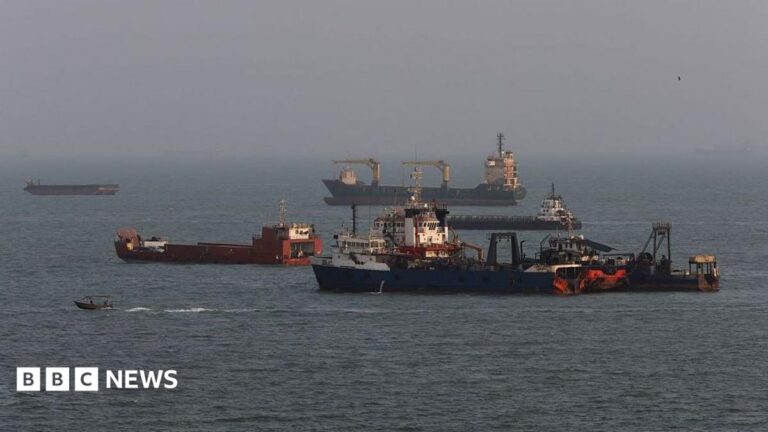
The volatility was magnified by the continued disruption at critical maritime chokepoints, most notably the Strait of Hormuz. This vital passage, through which a substantial portion of the world’s oil and liquefied natural gas flows, remains effectively restricted due to regional instability. The threat to such key infrastructure keeps global energy forecasts highly precarious, fueling investor anxiety and pushing benchmark prices upward.
What This Means for Consumers and Economies
The immediate impact of higher crude oil costs is felt directly at the pump. Since the onset of heightened regional conflicts, the wholesale expense of crude oil has driven up the retail prices for fuels like gasoline and diesel across various international markets. While market mechanisms, such as the expiration of specific futures contracts, can cause short-term price dips, the underlying cost structure for fuel suppliers remains elevated compared to pre-conflict levels.
For everyday consumers, this means sustained financial pressure. Although some slight dips in prices have occurred, experts noted that the wholesale procurement costs for gasoline remain at levels higher than those seen at the beginning of the tensions. Furthermore, the uncertainty surrounding potential future diplomatic breakthroughs or escalations ensures that oil prices are susceptible to rapid fluctuations, impacting household budgets and overall economic stability.
Background Context of Energy Supply
The financial dynamics of crude oil are intrinsically linked to global supply chain security. The Strait of Hormuz’s importance cannot be overstated; it represents a crucial artery for the global energy trade. Any sustained blockage or threat to its passage immediately raises the risk premium built into oil futures, as alternative routes are either non-existent or insufficient to handle the world’s energy demand. Therefore, diplomatic progress and de-escalation in the Persian Gulf region are viewed by commodity analysts as paramount to achieving sustained price moderation.
About the Author