Taiwan’s Firm Stance on Sovereignty Amid Rising Regional Tensions
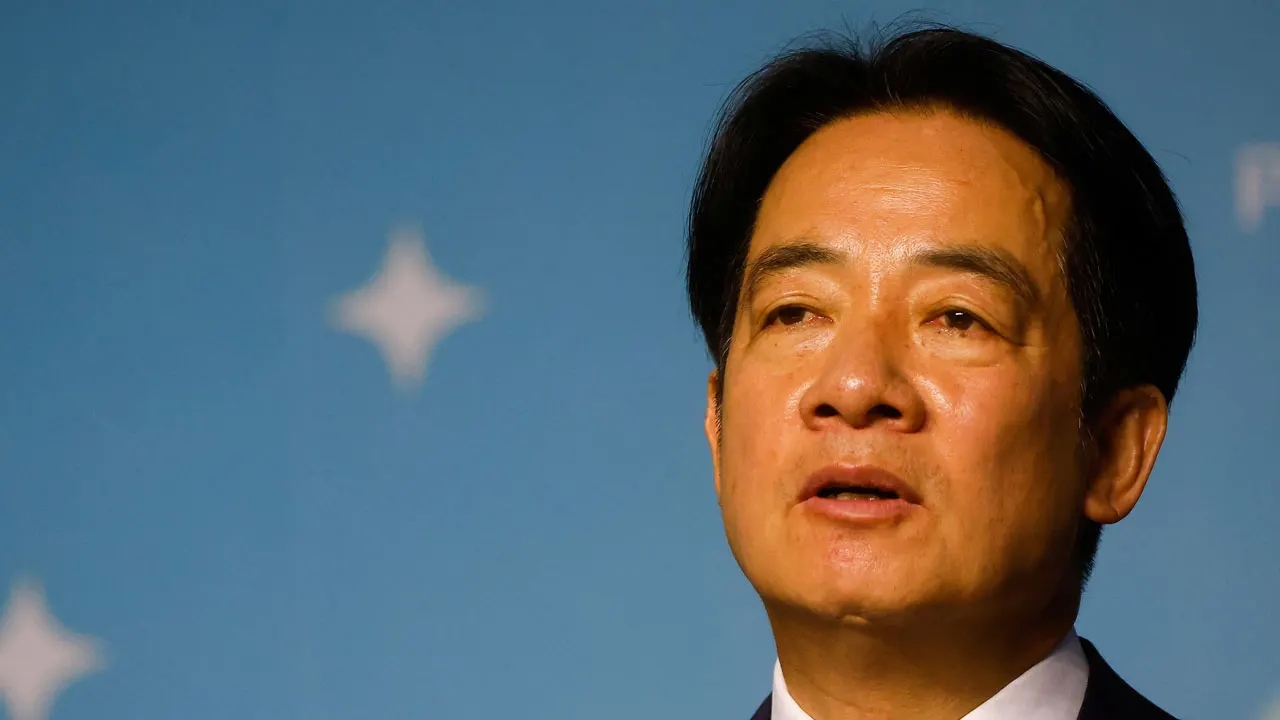
Taiwan’s highest elected official has delivered a forceful declaration affirming the nation’s unwavering commitment to its sovereignty and democratic way of life. In a direct challenge to potential mainland interference, the president emphasized that the island’s national dignity is non-negotiable and cannot be surrendered, pressured, or bartered away. These statements underscore a clear message of self-determination, positioning the government as the staunch defender of Taiwan’s unique political system.
The declaration arrives in the wake of recent high-profile international meetings, which have heightened concerns regarding the future security architecture of the Taiwan Strait. These global dialogues have prompted local political leaders to issue strong rebuttals, framing any external actions against Taiwan as threats that fundamentally destabilize the entire region. The emphasis remains fixed on defending the established democratic institutions against perceived external coercion.
Implications for Regional Stability
This robust display of national resolve has significant implications for the balance of power in East Asia. By forcefully rejecting any notion of subordination or compromise on its status, Taiwan is solidifying its diplomatic and political posture. Such strong affirmations from a democratically governed state can influence international support and deter potential aggressive actions from major regional powers.
Furthermore, the geopolitical landscape is characterized by broader tensions involving multiple global actors. Analysis from defense experts suggests that the perceived military dominance and technological aims of the mainland are major contributing factors to this regional friction. This ongoing dynamic forces international powers to reassess their long-term commitments across different theaters, including commitments in Europe and the Middle East, which draws focus and concern toward the security situation surrounding Taiwan.
Underpinning Security Commitments
The dialogue around defense provisions remains central to understanding the geopolitical stakes. Discussions surrounding military aid and security pacts often reference historical legislative frameworks designed to bolster Taiwan’s defense capabilities. These provisions are viewed by local leaders not merely as supplementary assistance, but as the foundational elements necessary to maintain peace and act as a core deterrent force against destabilizing maneuvers. The ongoing assessment of potential future arms sales reflects the sustained high level of international concern for the island’s security.
In essence, the recent pronouncements from Taiwan serve to recalibrate the understanding of the island’s current political trajectory, signaling a deep institutional belief in self-governance that supersedes external geopolitical pressures.
About the Author