US Military Action Escalates Tensions at Strait of Hormuz
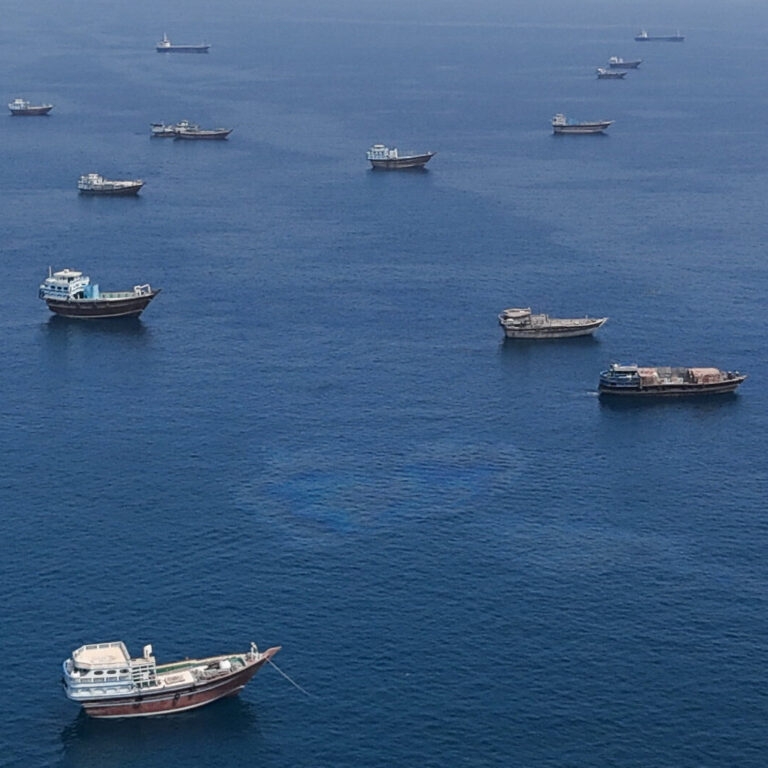
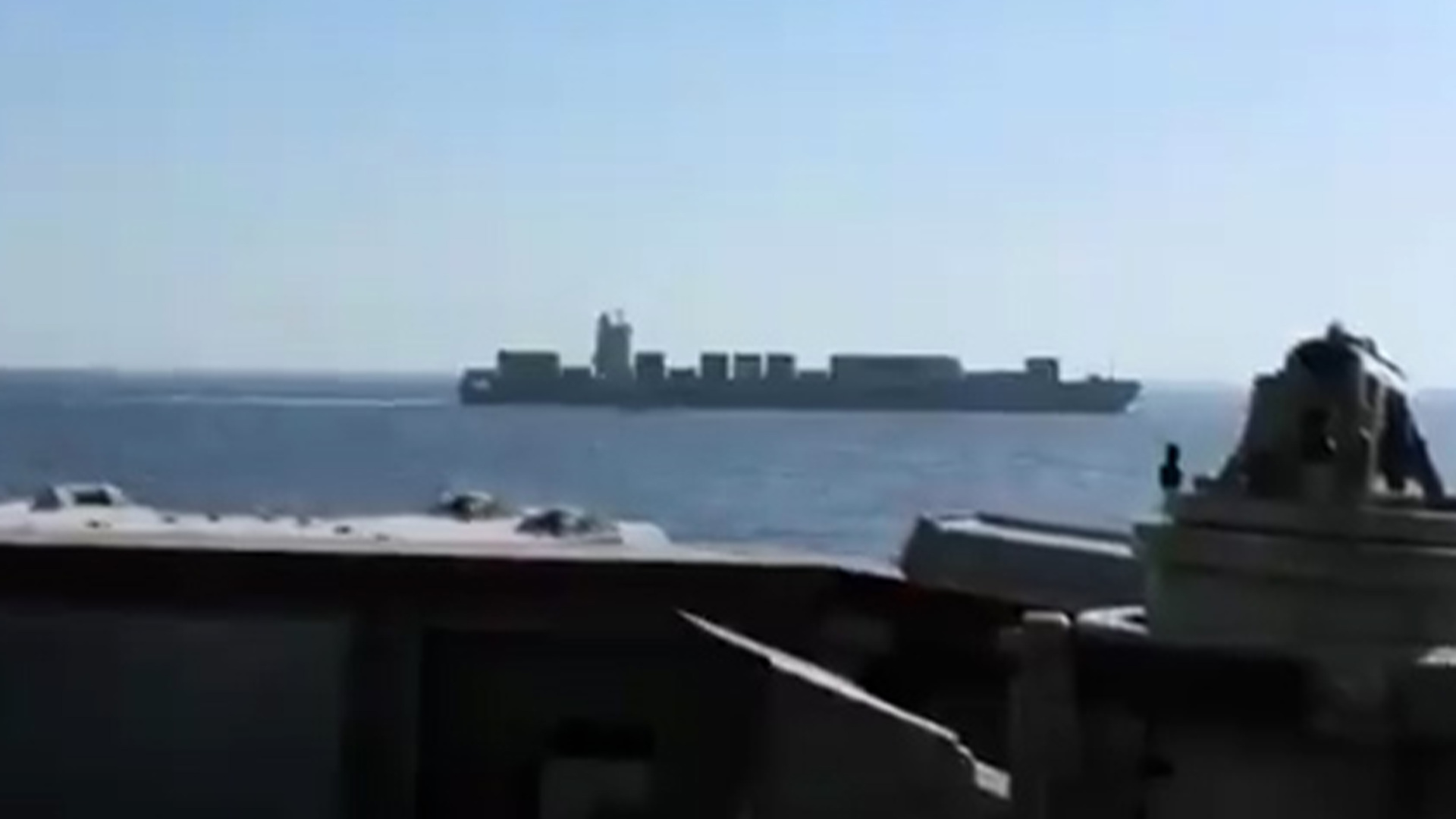
Recent reports detail a significant maritime confrontation in the volatile waters near the Strait of Hormuz. Military assets operating in the region were observed engaging an Iranian-flagged cargo vessel, identified as the *Touska*. The action, which involved the use of advanced weaponry by US naval forces, has immediately raised concerns among international observers regarding the stability of global shipping lanes and the escalation of regional tensions.
According to visual evidence released, a guided-missile destroyer was seen discharging missile rounds toward the cargo ship. The engagement was reportedly carried out under the pretext that the vessel had breached a US-enforced blockade in the area. Following the exchange of fire, US military personnel subsequently boarded the *Touska* to secure the scene, marking a direct and visible intervention by American naval power against the Iranian-associated maritime traffic.
What This Means: Impact on Global Trade and Security
The seizure of a civilian vessel in such a strategic waterway carries profound implications far beyond the immediate conflict zone. The Strait of Hormuz is one of the world’s most critical maritime chokepoints, through which a vast percentage of global liquid energy and substantial volumes of trade pass daily. Any heightened instability or outright military action in this corridor instantly jeopardizes global supply chains and commodity prices worldwide.
This incident underscores a pattern of increased military posturing in the Persian Gulf. The direct targeting of a cargo ship, even if framed as enforcing a blockade, elevates the risk profile for all commercial shipping. For international insurers and shippers, this translates into heightened operational risk, potentially leading to rerouting, increased transit insurance costs, and delays for goods traversing vital East-West trade routes.
Background and Context: The Strategic Importance of the Strait
The geographical significance of the Strait of Hormuz cannot be overstated; it connects the Persian Gulf to the Arabian Sea, serving as a bottleneck for energy supplies emanating from the Persian Gulf nations. Historically, the area has been a flashpoint for geopolitical competition. Military activity and naval patrols are common features of the region, driven by the need to guarantee freedom of navigation for international commerce.
While blockade enforcement is a stated policy action, the visible use of destructive force against what appears to be a commercial entity escalates the confrontation beyond standard maritime policing. Observers are closely monitoring the situation to determine if this event signals a shift toward more aggressive enforcement tactics, further complicating the already delicate balance of regional security and international maritime law observance.
About the Author