Diplomatic Outcry Follows Incident Involving Religious Statue in Lebanon
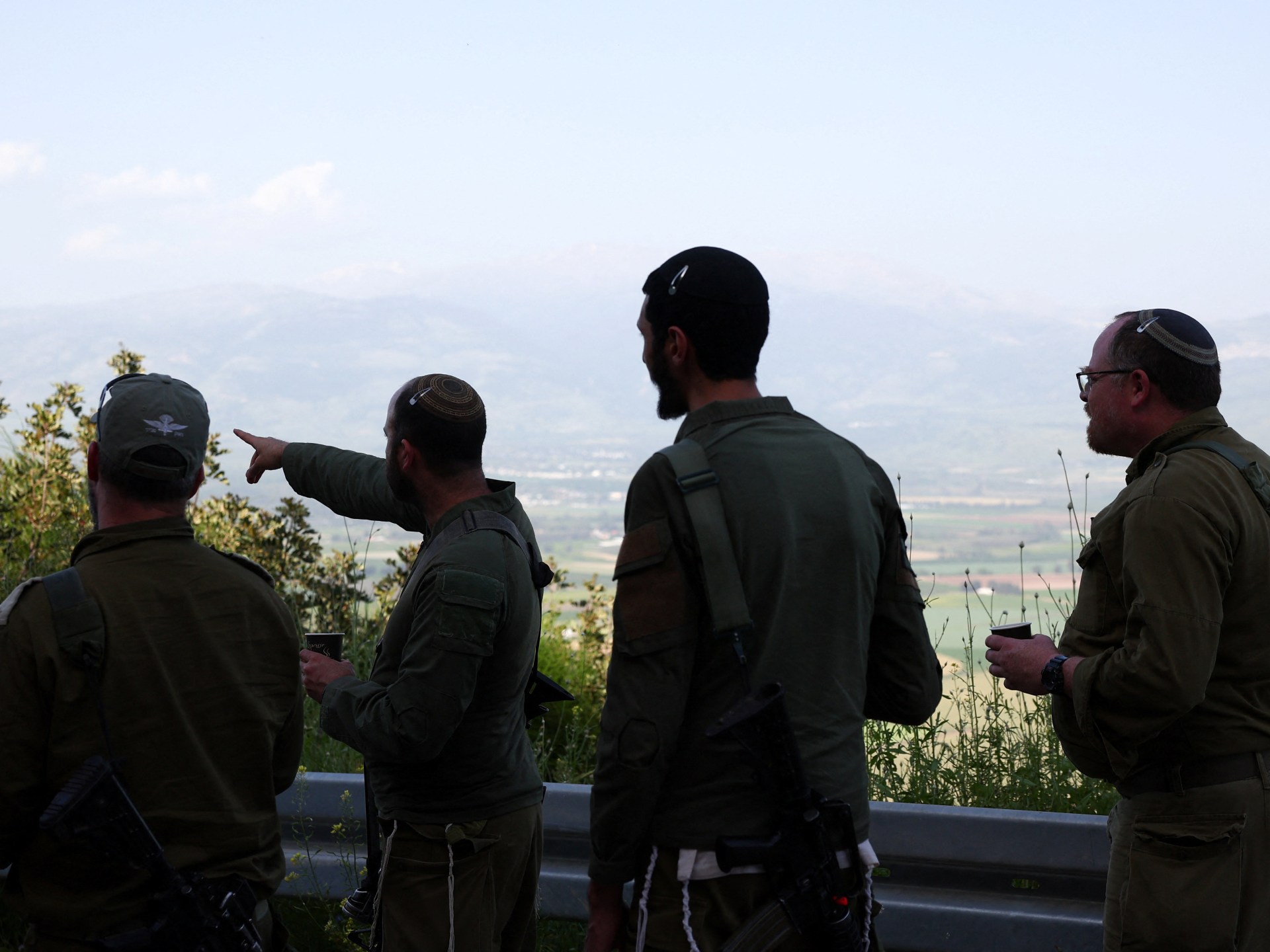
A widely circulated photograph depicting an Israeli soldier damaging a statue of Jesus Christ in southern Lebanon has ignited significant global backlash. The incident has drawn sharp condemnation from activists, academics, and international observers concerned about the treatment of religious sites in the region. The controversy intensified after official confirmation emerged regarding the image’s authenticity, detailing an incident involving an Israeli soldier operating in the area following recent military actions.
The immediate reaction to the photograph highlighted a broader pattern of alleged disregard for sacred symbols and locations. Commentators drew comparisons between this alleged act and other documented instances of damage to religious infrastructure, raising profound questions about accountability and international response. The focus of the outcry is not solely on the alleged vandalism but on the perceived silence from certain Western nations regarding such actions.
Implications of the Incident for International Norms
This event forces a discussion about the boundaries of military conduct and cultural sensitivity in conflict zones. Critics argue that when state or military actions result in the perceived desecration of cultural or religious property, a clear international framework for accountability must be enforced. The consistent questioning of why specific violations receive muted international attention remains a central theme of the ensuing discourse.
Context of Religious Site Disputes in the Region
The current outcry builds upon a history of tension regarding religious sites across the region. Reports have indicated repeated instances where Israeli military personnel and civilian settlers have been accused of damaging or attacking mosques and churches. Furthermore, within other disputed territories, documentation suggests significant episodes of vandalism targeting religious structures, underscoring a recurring concern about the protection of civilian and holy sites amidst ongoing geopolitical conflict.
The allegations bring intense scrutiny to the relationship between military operations and civilian religious life. Those voicing concern point to documented instances of damage across various religious sites, suggesting that the alleged incident in southern Lebanon is viewed by many not as an isolated event, but as part of a troubling pattern that demands robust international oversight and redress.
About the Author