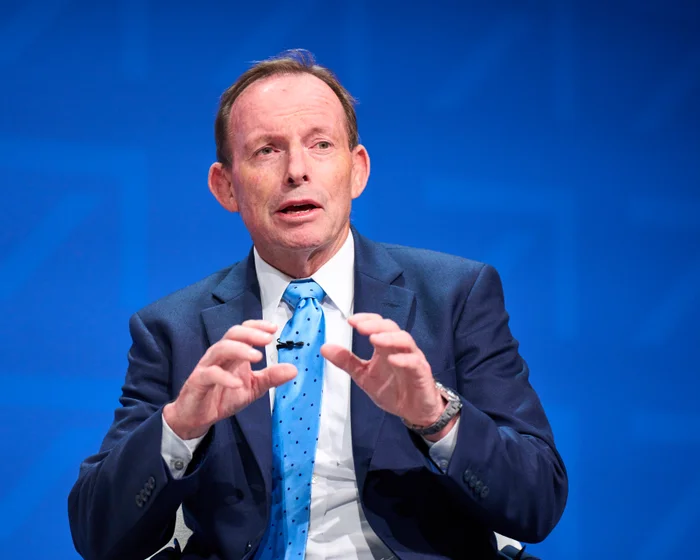
Tony Abbott is set to assume the role of the new federal Liberal Party president. This appointment signals a notable re-entry for the former Prime Minister into the central decision-making structures of the conservative political wing. The election occurred without any challenge, establishing his immediate leadership within the party’s governing body.
This development marks a significant shift for Abbott, who was seen previously in the spotlight following the 2019 general election, where he parted ways with his Sydney electorate of Warringah. His assumption of the presidency places him back at the operational heart of the party, moving him from an advisory or emeritus role to one of active governance and organizational leadership.
The Significance of the Role
The presidency of the federal Liberal Party serves as a key unifying and directing function, requiring the individual to oversee the party’s internal operations, strategizing, and public presentation. Abbott’s uncontested success in this election suggests a degree of acceptance and support from the party’s machinery regarding his ability to guide its organizational direction. It positions him as a key unifying figure expected to help shape the party’s trajectory going forward.
Context of the Leadership Shift
The process leading to the election saw other prominent figures, including former foreign minister Alexander Downer, electing to pursue different leadership tracks within the party structure. Downer opted instead to contest a vice-presidency role, which cleared the path for Abbott to take the presidential mantle without contest. This maneuvering indicates a strategic division of labor among experienced political figures tasked with guiding the party’s immediate focus.
Implications for the Party’s Future
Analysts suggest that Abbott’s return to such a high-profile organizing position implies that the party leadership sees him as an asset capable of bringing a specific form of experience or discipline back to the center. While the presidency is an organizational role rather than a candidacy for the premiership, it nonetheless carries weight in setting the internal tone and strategic direction for political campaigning and policy development. His mandate is expected to involve reconnecting the party’s various factions under a common strategic umbrella.
Looking Ahead
The focus now shifts to how Abbott will translate this organizational influence into tangible political objectives. His tenure as president will inevitably bring him into close contact with the parliamentary leadership and policy committees. The expectations surrounding his term will center on revitalizing the party’s internal cohesiveness and presenting a unified front as the political landscape continues to evolve in the region.
About the Author




