Tragedy Deepens: Teenager Found Dead Amid Aftermath of Kenyan Quarantine Protest
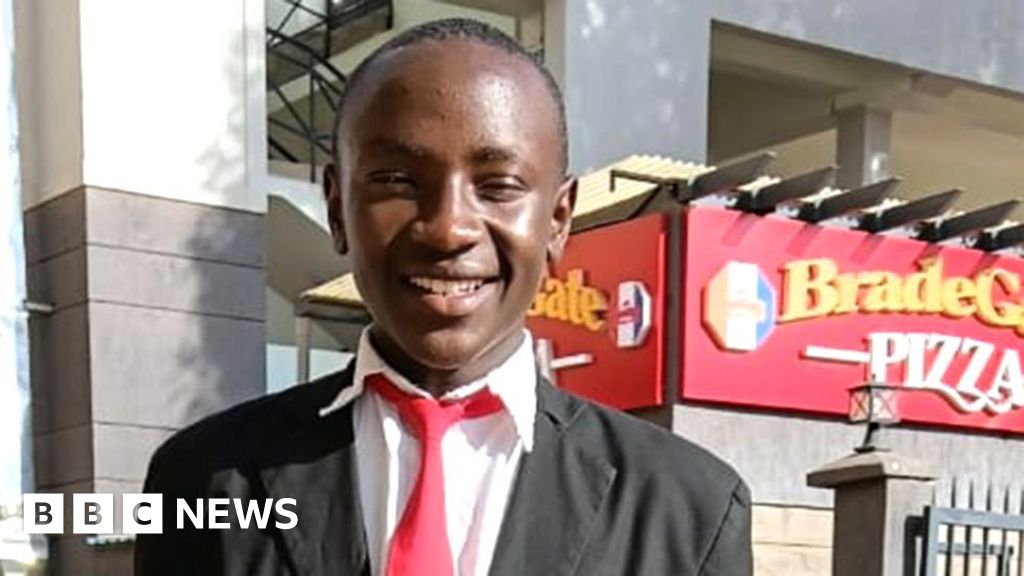
The discovery of a missing teenager’s body has sent shockwaves through a Kenyan community, occurring days after significant civil unrest. Sylvester Muigai Ndung’u, a seventeen-year-old male, was located in a local mortuary, marking a deeply distressing conclusion to a period of intense community anxiety. His death came in the volatile wake of confrontations that erupted when protesters demonstrated against plans to establish an Ebola quarantine facility at a nearby military installation.
The discovery was made by his mother, who had been desperately searching for her son across various local institutions, including hospitals and police stations. Upon finding him at the mortuary, the preliminary reports painted a grim picture, with family members describing significant injuries. The circumstances surrounding the incident have led to conflicting accounts regarding the cause of the fatality, escalating the tension and questioning the forces employed during the demonstrations.
The Immediate Aftermath and Community Outcry
Witnesses present during the events indicated that the teenager sustained a severe head wound, suggesting he may have been struck by a firearm. However, local law enforcement officials stated that a formal post-mortem examination was necessary to establish the definitive cause of death. Adding to the confusion and distress, several family members pointed toward the possibility that the injuries were inflicted by a riot control device, such as a tear-gas canister, rather than a projectile bullet. The outcry from the family has been one of profound grief and accusations of excessive force.
Examining the Context of Conflict
The unrest that led to the tragedy was directly linked to public opposition to the proposed construction of a quarantine facility intended to manage the risk associated with Ebola. The demonstrations highlighted deep community concerns regarding public health mandates and the balance between necessary safety measures and civil liberties. For the immediate family, the situation added the immense strain of navigating a public health crisis alongside the emotional trauma of sudden loss.
Significance and Wider Implications
This incident underscores the volatile intersection of public health policy, civil rights, and social unrest. When authorities enact major health protocols, the response can be met with passionate and sometimes volatile resistance. The differing narratives surrounding the teenager’s death—from witnesses to official statements—underscore the difficulty in establishing immediate facts amid high-tension situations. Such events often trigger critical discussions regarding the appropriate use of force by security personnel during protests, particularly when the stakes involve community safety and fundamental rights.
Background Context
The core conflict revolved around the proposed establishment of an Ebola quarantine center at a military base, a measure designed in the context of public health emergencies. Such plans often evoke powerful emotional and political reactions within communities, leading to organized protests. The family’s account suggests the teenager was simply engaging in routine activity—retrieving school items—when the unrest escalated, illustrating how quickly daily life can be interrupted and turned dangerous when civil demonstrations occur.
About the Author