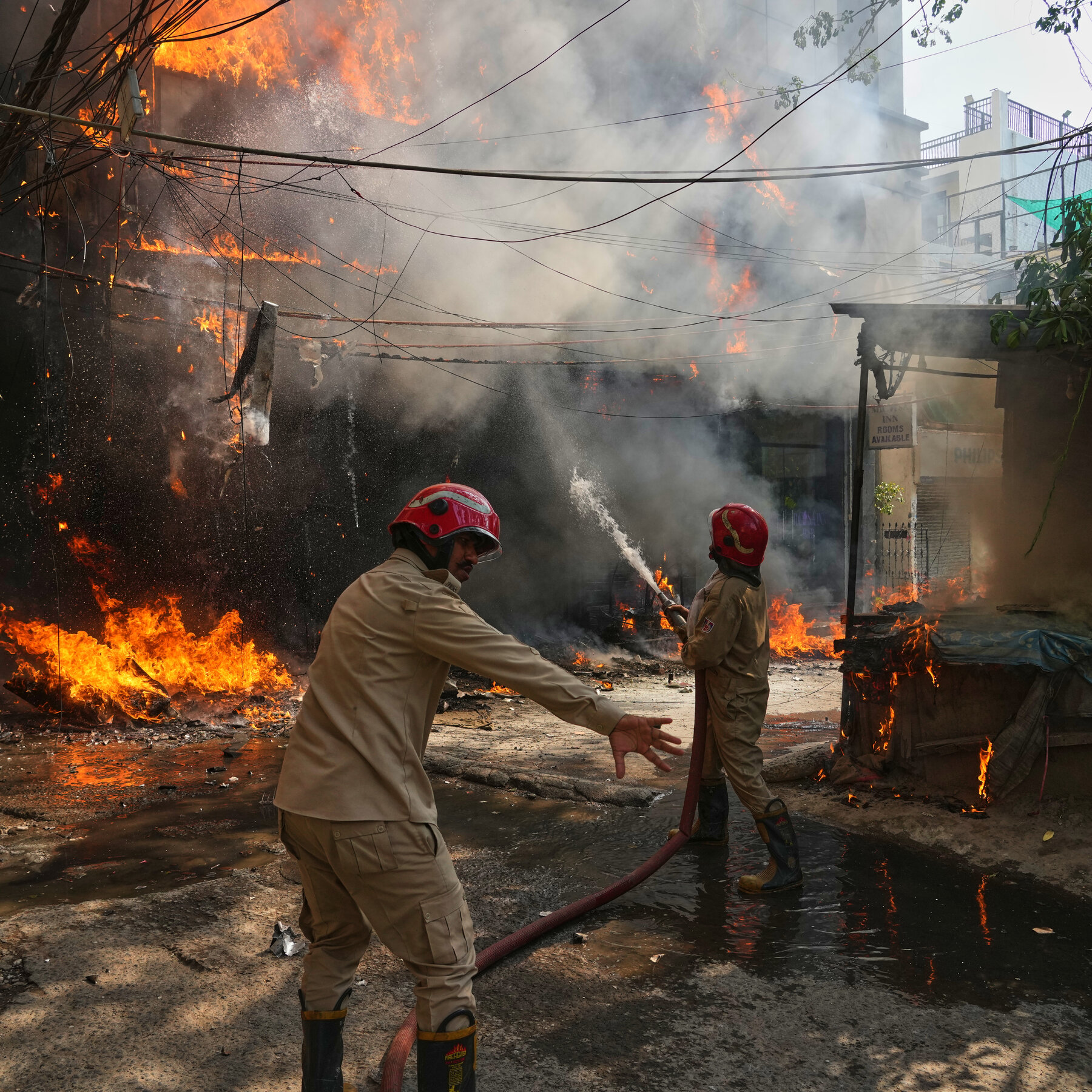
Tragedy Strikes Delhi: Hotel Fire Leaves Numerous Casualties
A devastating fire has ripped through a hotel situated within a residential zone of Delhi, resulting in a significant loss of life and causing numerous injuries. Early reports confirm that at least twenty-one individuals perished in the blaze, painting a picture of widespread devastation within the structure.
Beyond the confirmed fatalities, emergency services were heavily engaged at the site, treating dozens of people who sustained injuries from the intense flames and smoke. The incident underscores the extreme vulnerability of densely populated areas to catastrophic structural failures, particularly when combined with uncontrolled fires.
Implications of the Disaster
The scale of the tragedy raises immediate and profound questions regarding fire safety standards and building codes within the city. Authorities and safety experts are expected to launch comprehensive investigations to determine the precise sequence of events, the primary cause of the outbreak, and which safety protocols may have been inadequate or ignored. The sheer number of casualties points toward systemic failures in emergency preparedness and fire hazard mitigation.
Understanding the Scope of the Crisis
Residential areas in major metropolitan hubs like Delhi often contain a mixture of commercial and dwelling units, which can complicate firefighting efforts significantly. The tight integration of different types of buildings means that once a fire takes hold, the spread of toxic smoke and flames can be extremely rapid and difficult to contain. This context suggests that evacuation procedures and structural fire resistance were critical points of failure.
Contextualizing Urban Fire Hazards
Major Indian cities grapple with managing infrastructure built over decades, leading to varying adherence to modern safety guidelines. When a blaze engulfs a facility, the structural integrity of adjoining buildings and the accessibility for emergency vehicles become paramount concerns. These types of large-scale incidents necessitate rapid reviews of building regulations to ensure that modern high-occupancy structures incorporate fail-safe mechanisms to protect residents and guests alike.
The aftermath of such an event invariably leads to a critical dialogue about urban planning. Stakeholders—including municipal bodies, hotel management, and safety regulators—will face intense scrutiny regarding preventive measures. The objective will be to solidify protocols that prevent similar devastating loss of life in the future, moving beyond mere response to proactive, preventative safety enforcement across all sectors of the city’s built environment.
About the Author