Legal Fallout After Public Figure’s Death: Prosecutor Accuses Defense of Fueling Misinformation Campaign
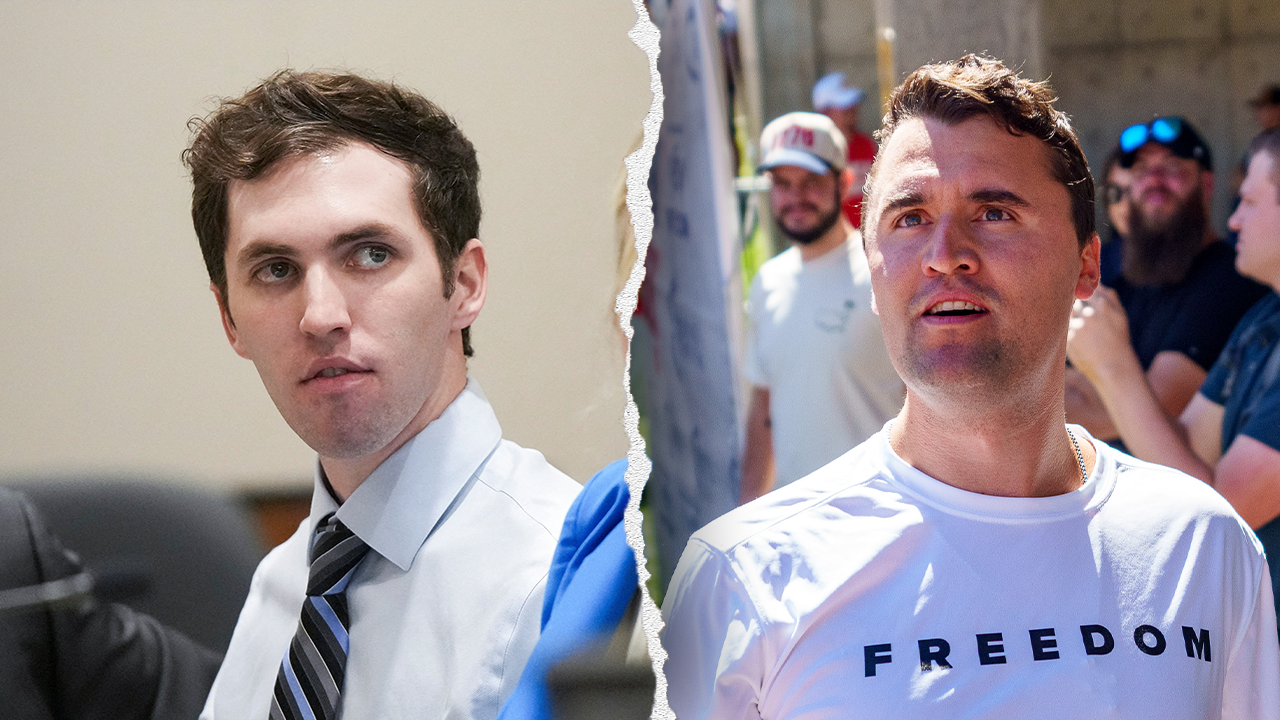
In legal proceedings surrounding the shooting death of a prominent political commentator, prosecutors have directed scrutiny toward the defense team’s conduct. Authorities allege that the defense utilized court filings in a manner that spread inaccurate information to the public. The controversy escalated when the defense made specific claims regarding forensic evidence, suggesting that crucial ballistic identification had not been definitively established. These assertions, according to reports, generated significant online attention and coverage from various media outlets, leading prosecutors to characterize the dissemination of this information as misleading.
The conflict reached a judicial level when the defense sought to have the prosecution disciplined for commentary made outside the formal courtroom setting. Prosecutors countered this by emphasizing that existing legal guidelines permit parties involved in a case to offer public clarifications. However, the state’s prosecutors pointed out an ironic consequence: the defense’s own claims, once made in filings, quickly achieved widespread virality through media amplification, suggesting the initial legal arguments were quickly transformed into broad public narratives.
The Broader Context of the Trial
These legal wranglings occur amidst heightened political tensions, particularly following the death of the commentator. The widow of the late figure addressed the volatile political atmosphere, speaking about what she perceives as a national descent into an era of public conflict and accusations. Her statements focused on the broader cultural climate, expressing deep concern over the rise of intense political polarization and public hostility.
Furthermore, the proceedings have been marked by procedural disputes, including ongoing motions from the defense challenging the presence of news cameras in future courtroom sessions, asserting it infringes upon their constitutional rights to a fair trial. These disputes highlight the tension between the public’s intense interest in the outcome of high-profile cases and the established rules governing judicial decorum and the integrity of evidence presentation.
Significance of the Proceedings
The current legal battle underscores a significant modern challenge: managing the intersection of criminal justice and social media saturation. When evidence is contested or procedure is questioned, the rapid, unvetted dissemination of details by defense counsel can dramatically influence public perception before a jury has even reached deliberation. Prosecutors’ focus on the defense’s claims being ‘misstated’ points to a legal concern over narratives being built on inaccuracies, irrespective of the source’s intent. This situation illustrates the difficulty authorities face in controlling the public information cycle once a complex criminal matter gains national attention.
About the Author