Unpacking the Political Undercurrents: Speculation Surrounding Iran’s Leadership Changes
Recent discussions surrounding the political stability within Iran have brought renewed focus to the potential succession dynamics at the highest levels of government. Specifically, questions have surfaced regarding the role of various influential figures in shaping the country’s future governance. The idea that external powers, including those from the United States and Israel, might have vested interests in the leadership structure has drawn considerable attention from geopolitical analysts.
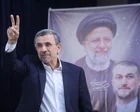
The focus of this speculation has often centered on Mahmoud Ahmadinejad. His political trajectory has been notable for its dramatic shifts, beginning with a presidency defined by high-profile confrontations regarding regional security issues. Following his time in office, his relationship with the ruling establishment underwent a significant deterioration, prompting him to adopt a public stance critical of the existing power structure while simultaneously appealing to a broader segment of the population.
What This Means: Implications for Regional Stability
The potential involvement of major global and regional actors in internal Iranian politics underscores the high stakes involved in the country’s governance. If the leadership undergoes a significant transition influenced by external agendas, the implications for broader Middle Eastern stability are profound. Such shifts could alter established regional alignments, impact energy markets, and redefine international diplomatic relationships for years to come. Consequently, international observers are closely monitoring any signs of internal consensus or external pressure points.
Background and Context: The Volatile Political Landscape
To understand the current speculation, one must consider Ahmadinejad’s own tumultuous political career. His time leading the nation saw periods marked by outspoken and provocative rhetoric directed toward certain neighboring powers. However, after falling out with the supreme leadership, his public persona evolved. He began to cultivate an image that positioned him as a challenger to the established order, drawing support from demographics that felt marginalized by the ruling elite. This personal political pivot adds a layer of complexity to any discussion about who might credibly lead the nation in a period of transition.
These underlying tensions suggest a complex interplay between domestic political factions and external geopolitical interests. The historical pattern of powerful nations engaging with regional rivals’ internal politics suggests that any change in Tehran’s governance is viewed not merely as a domestic affair but as a pivotal moment for global power dynamics. The narrative remains highly fluid, making expert assessment challenging but critically important for understanding future regional trajectories.
About the Author