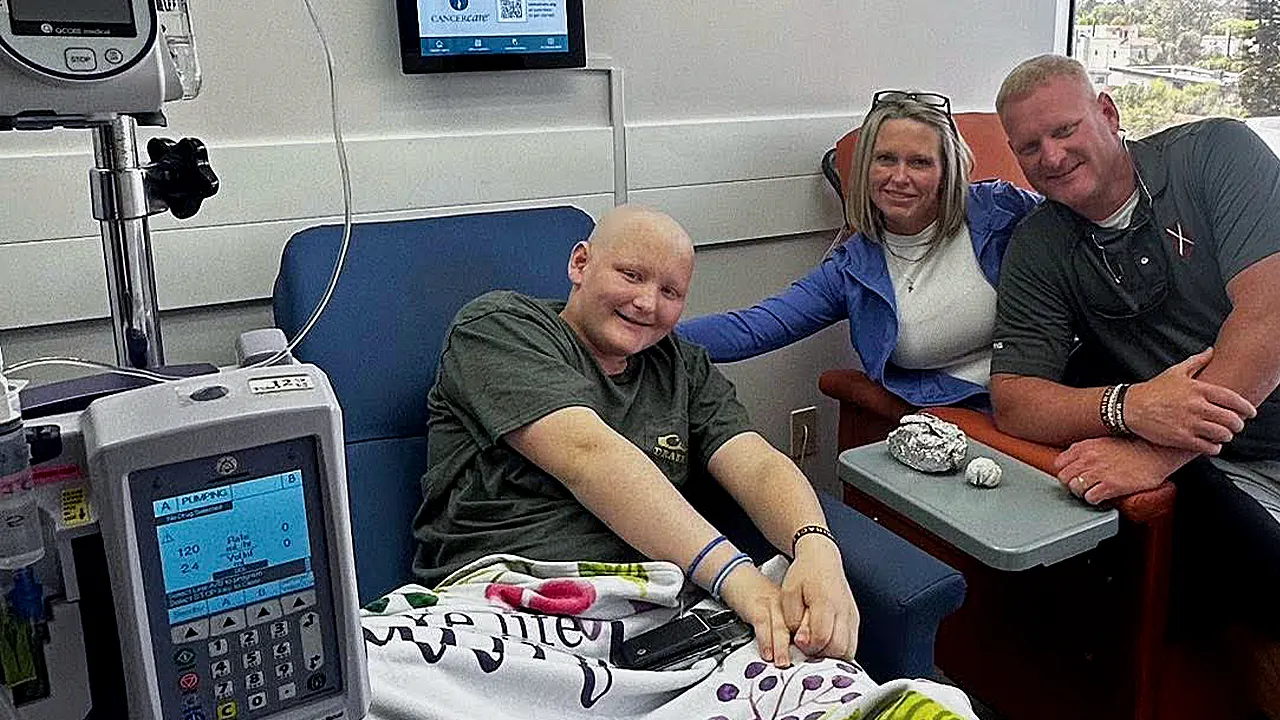
The remarkable story of a teenager fighting a highly aggressive form of bone cancer has captured significant public attention, leading to access to cutting-edge experimental medicine. A fifteen-year-old patient, who has endured a long and grueling battle with osteosarcoma, recently secured a second week of life-extending therapy following an emotional and candid video appeal. This initiative, which the patient shared to raise necessary awareness and funds, drew the attention of several prominent national figures, prompting a significant shift in his care trajectory.
The patient’s struggle involved navigating multiple failed conventional treatments and surgeries. The rarity and aggressive nature of the cancer meant that standard medical approaches had reached their limits. The personal appeal served as a catalyst, prompting medical professionals and advocates to pursue alternative, experimental avenues of care. This episode highlights how personal advocacy, amplified through social media, can sometimes accelerate access to treatments that are otherwise extremely difficult to obtain for pediatric patients facing critical diagnoses.
Following the success of the appeal, the family relocated to pursue specialized care in California. The journey detailed both the medical hurdles overcome and the tremendous emotional weight carried by the patient and his family. The initial diagnosis was made after persistent, severe leg pain, leading to multiple, complex surgeries, including an amputation and subsequent procedures to address internal spread of the disease.
The Significance of Public Advocacy in Medical Breakthroughs
This case underscores the evolving relationship between patient advocacy and cutting-edge medical science. When standard protocols fail, the willingness of a family to publicly articulate their desperation—while also aiming to support others—can galvanize attention from policymakers, thought leaders, and the medical community. The resulting attention has been critical in moving the patient toward an experimental gene therapy, a treatment considered a last resort after numerous other options were exhausted.
Context of Pediatric Cancer Battles
Pediatric cancers, such as osteosarcoma, present unique and complex challenges for medical science. These cancers, particularly those classified as rare or highly aggressive, often resist established treatment paradigms. Furthermore, the progression of such illnesses frequently necessitates multiple invasive procedures and significant physical setbacks. The coordination required—moving from initial, misdiagnosed pain to multi-system organ involvement and ultimately, experimental therapy—demonstrates the incredible resilience of the patient as well as the dedication of his support network.
About the Author