Virginia’s New Electoral Map Reshapes Political Landscape Ahead of Midterms
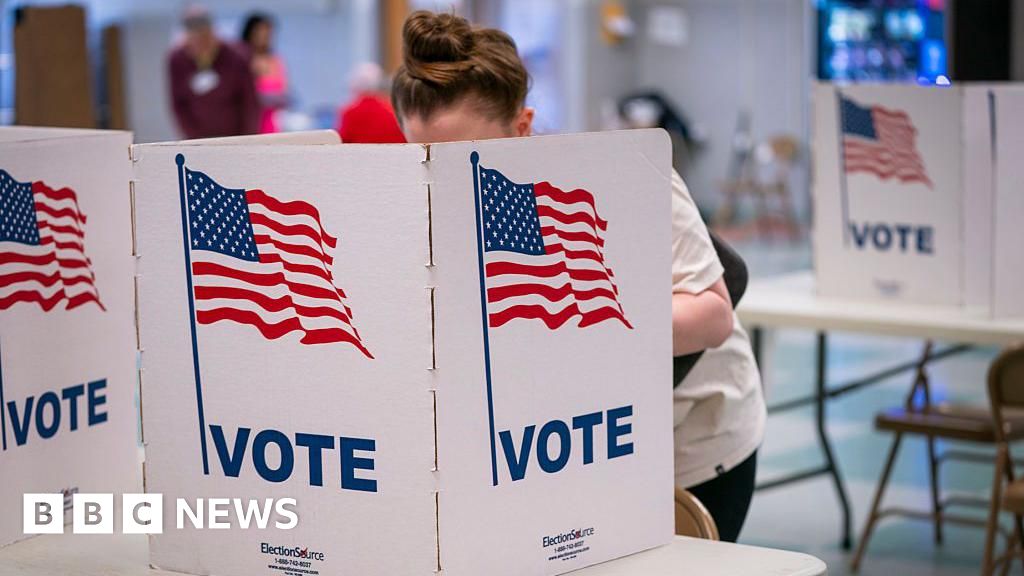
Voters in Virginia have recently approved a significant redistricting measure that is poised to reshape the state’s congressional representation. This newly defined map has the potential to substantially bolster the Democratic party’s standing within the national political arena, particularly as attention turns toward the upcoming midterm elections. The alterations to the district boundaries could conceivably shift the balance of power, giving Democrats the capacity to secure a considerably larger bloc of seats in the House of Representatives.
The development places Virginia within a national trend of state-level electoral boundary adjustments. This activity follows increased focus on how political geography can influence legislative outcomes, especially given the national political climate surrounding the general elections. Controlling the balance of power in the House of Representatives is viewed by many political analysts as crucial, as it directly impacts the direction of congressional governance and legislative priorities.
The immediate impact of this map overhaul suggests a notable shift in regional political strength. With Democrats currently holding a majority of the state’s congressional delegation, the updated lines could elevate that number significantly, fundamentally altering the perceived political balance within the state’s representation in Washington D.C.
Significance for National Politics
The political implications of this map extend well beyond state lines. A potential Democratic gain in congressional power during the midterms is seen by some observers as a significant counterweight to the current political trajectory. Historically, the outcomes of these midterms often feature a dynamic where the party of the sitting executive faces challenges. Should Democrats manage to gain a majority in the House, it could dramatically alter the political leverage of the party currently in the White House, potentially opening avenues for intensive congressional oversight and investigation into the executive branch.
Context of Redistricting Battles
The process of drawing electoral boundaries, often referred to as gerrymandering, is a deeply contentious issue in American politics. While the practice of redrawing lines to favor a particular political outcome is widespread, the legality of such actions is generally limited by law, particularly concerning racial considerations. The approval of this specific Virginia measure marks a major local intervention in what is otherwise a highly competitive and scrutinized national debate over representation. This state action is viewed by supporters as a necessary step to democratize representation, while critics have strongly condemned it as an overly political maneuver.
The approval signals a powerful moment of citizen involvement, according to proponents who suggest that the voting population actively intervened to stabilize the political playing field. Conversely, political opponents have characterized the measure as an unconstitutional power grab designed to disenfranchise large segments of the electorate and solidify partisan control over future voting patterns. The ultimate legal challenges surrounding the measure await rulings from the state’s highest judicial body.
About the Author