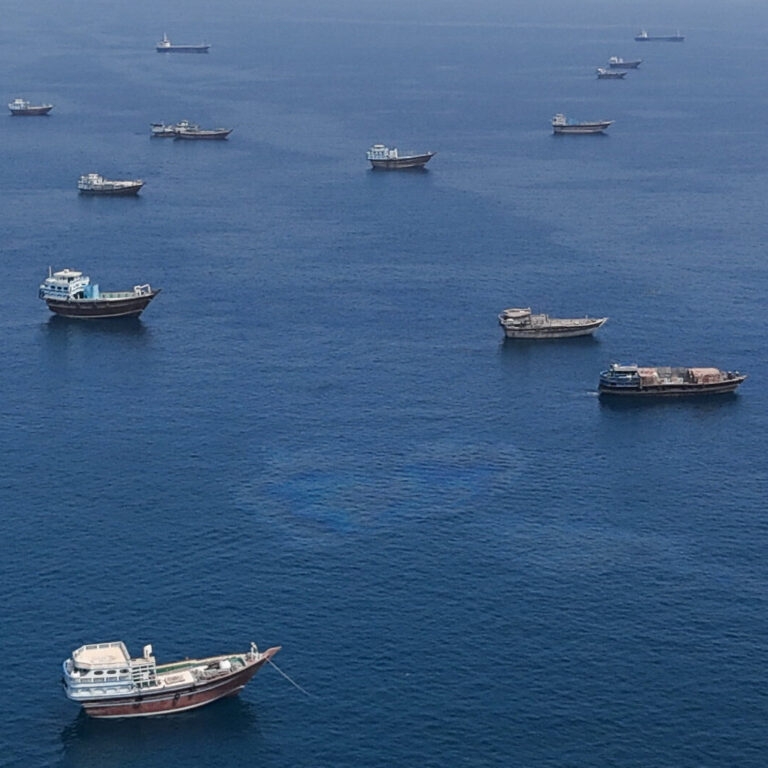
Naval Tensions Escalate: Examining the Seizure of an Iranian Vessel Near the Strait of Hormuz
A significant maritime confrontation has emerged from the Arabian Gulf region following reports of the United States capturing an Iranian-flagged vessel near the Strait of Hormuz. The incident has immediately escalated regional tensions, prompting strong condemnations from Tehran. According to available reports, the operation reportedly involved U.S. forces taking control of the ship, with the narrative suggesting the vessel was attempting to circumvent established naval restrictions or blockades in the critical waterway.
This reported seizure has provided fresh material to the ongoing geopolitical friction between the nations. Iran has vehemently rejected the action, characterizing the operation not as legitimate enforcement but rather as an act of ‘maritime piracy.’ Such strong denouncements have led to immediate warnings of reciprocal measures and have cast a cloud of uncertainty over any potential diplomatic dialogue or negotiations between the two countries.
The Strategic Implications of the Confrontation
The Strait of Hormuz represents one of the world’s most vital chokepoints for global energy trade. Its strategic importance means that any incident involving the seizure of vessels or heightened military activity draws immediate international attention. The disputed nature of the operation and the subsequent warnings of retaliation suggest that the underlying causes of the conflict are deeply rooted in territorial control and freedom of navigation rights. For global commerce, the potential disruption of this vital passage is the paramount concern.
Understanding the Regional Context
The waterway’s status is perpetually subject to international dispute, often intersecting with broader geopolitical rivalries. Such maritime encounters force international powers to clarify and assert their rights of passage. The immediate response from Iran frames the incident as a challenge to its sovereignty and freedom of movement, while the U.S. action is framed by observers as an effort to enforce existing maritime security protocols. This gap in interpretation forms the core of the current dispute.
Significance for Global Stability
The confrontation serves as a stark reminder of the delicate balance governing international maritime law and the high stakes involved in controlling global transit routes. When military actions occur in such pivotal global arteries, the implications stretch far beyond the immediate vessels involved. Market stability, global supply chains, and diplomatic relations are all subject to the volatile currents stirred by such incidents. The ongoing tension underscores the persistent need for international consensus on the rules governing movement through major global sea passages.
About the Author