President Zelensky Condemns US Waiver Extending Russian Oil Sales
Ukraine’s President Volodymyr Zelensky has strongly criticized the United States for extending a waiver that permits the purchase of Russian oil and petroleum products on the high seas. This move, which allows sales until May 16th, is framed by Washington as an energy measure, but Kyiv argues it directly fuels Moscow’s war effort.
Since Russia’s full-scale invasion of Ukraine began in February 2022, extensive economic sanctions have been in place against the Kremlin. The recent debate over the waiver extension intensified amid significant global energy instability. This volatility stems from regional tensions involving Iran, which has retaliated against US and Israeli interests in the Gulf, notably by disrupting vital shipping chokepoints like the Strait of Hormuz.
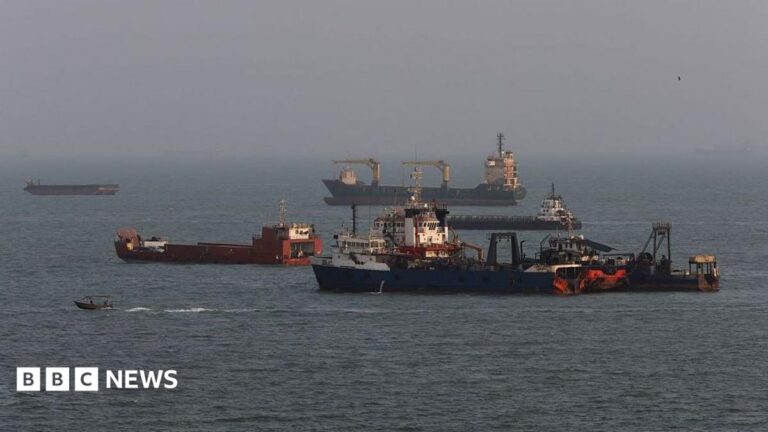
While the U.S. stated its intention to ease energy supply concerns, particularly as peace negotiations are supposedly advancing, Ukrainian officials maintain that every dollar transacted for Russian energy represents direct funding for aggressive actions against Ukraine. Zelensky specifically highlighted Russia’s substantial oil reserves held in its ‘shadow fleet’ of tankers, cautioning that the resulting revenue streams would be immediately converted into resources for further military strikes.
Key Details of the Dispute
- The U.S. extended a waiver allowing purchases of Russian oil products at sea until May 16th.
- Washington cited the need to ease energy shortages stemming from geopolitical tensions involving Iran.
- President Zelensky argued that funds derived from selling Russian oil directly benefit the Russian war machine.
- Estimates cited by Zelensky indicated Russia possessed over 12 million tons of oil in its shadow fleet.
- The disruption of global shipping lanes, such as the Strait of Hormuz, has driven much of the current energy market anxiety.
Implications for Geopolitical Energy Policy
This conflict illustrates the ongoing tension between global energy market stability and geopolitical objectives. For Kyiv and its allies, the ability of Russia to sell energy, even with waivers, undermines the core purpose of sanctions. From a global perspective, however, the extension suggests a potential prioritization of mitigating an immediate energy crunch—driven by regional conflicts—over the strict enforcement of long-term economic restrictions on a major military adversary.
Background Context
Sanctions against Russia escalated dramatically following the February 2022 invasion. In the intervening period, escalating regional hostilities, particularly involving Iran’s maritime actions, added an unexpected layer of energy market risk, making the continuity of Russian oil trade a subject of intense diplomatic debate among consuming nations.
Ultimately, Ukrainian leadership views any monetization of Russian energy assets as a direct material benefit to the conflict, pushing for a complete reversal of the waiver to maintain the maximum economic pressure on Moscow.
Reporting from various international news outlets.
About the Author