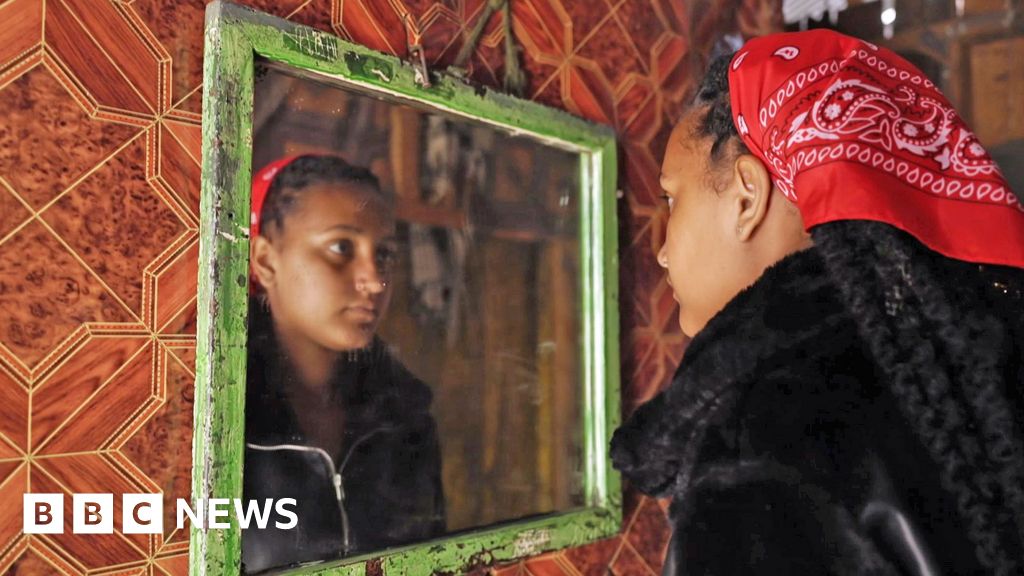
The journey to understanding one's origins has recently taken a powerful turn for several families in Kenya. A specialized legal and genetic undertaking has begun identifying fathers for numerous children born near a major British military installation. This process is offering profound revelations to individuals who have lived their early years believing they were fathered by someone else, or, in some deeply heartbreaking instances, who were told that their biological fathers were deceased. The efforts are addressing deep-seated questions of lineage, heritage, and stability for the next generation.
Through advanced DNA analysis combined with formal legal pathways, a significant number of identities are being established. Legal confirmations have already been secured in several initial cases by a high-level judicial body. For the children involved, these confirmations represent more than just documentation; they open pathways to potential citizenship rights and crucial financial support streams. The sheer scale of this operation—documenting potential parentage for what experts estimate could be near one hundred or more children—highlights a massive effort to reconcile past military deployments with present-day realities on the ground.
This investigative work has successfully connected children, some as young as three, to genetic profiles that can trace connections back to British service members. The involvement of legal experts collaborating with leading geneticists has been pivotal, utilizing vast commercial DNA databases to cross-reference samples gathered in Kenya. The scope and technical nature of this initiative mark a pioneering effort in international paternity identification cases.
The establishment of large-scale military bases, like the one located in Nanyuki, has long been a subject of intense local scrutiny. Official inquiries in recent years have brought to light deep-seated controversies surrounding the conduct and presence of international armed forces in the area. While these reports detailed numerous issues, the current focus has shifted toward providing tangible, familial solutions for the local population. The outcomes are providing a crucial layer of resolution to longstanding community concerns regarding identity and support.
About the Author