The Journey’s End: Unseen Consequences of Global Clothing Donations
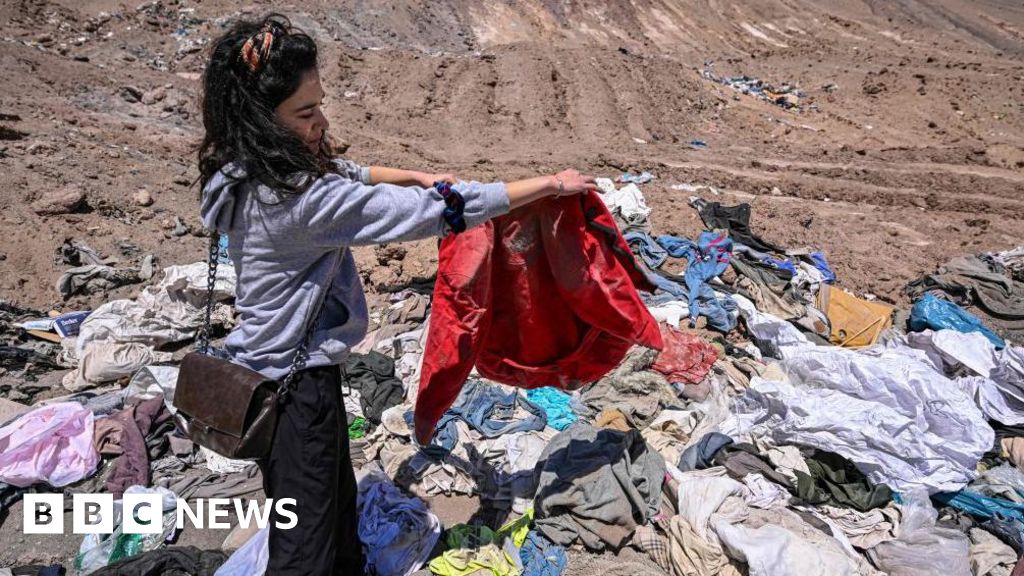
When individuals donate used garments through established recycling programs, the intended path for circular fashion often ends far from the intended reuse cycle. A significant portion of these textiles may bypass proper processing channels entirely, ultimately contributing to massive waste piles in remote, arid locations. The issue highlights a complex global supply chain where the volume and nature of donated clothing overwhelm local capacities, leading to environmental dumping in South American deserts.
One major hub for this industry is a large free-trade zone in northern Chile. This area serves as a massive gateway for used clothing imported from across continents—including the United States, Canada, Europe, and Asia. While the arrival of these textiles bolsters local commerce by providing a market for resale, the sheer scale of imports creates an inevitable surplus. This excess material has no suitable disposal route within the local municipal waste system, forcing it into uncontrolled, open-air disposal sites.
The Economic Engine and Its Waste Overflow
The importation of used clothing has become a foundational pillar of the local economy in the region. The activity supports numerous local businesses, providing employment—particularly for local women who are tasked with sorting and categorizing the textiles by quality. This initial sorting phase successfully channels wearable items into local markets, keeping the economic wheels turning. However, this success masks a critical logistical failure: the management of unsellable stock.
The problem intensifies with the sheer volume of imports. Because these goods are treated as commercial commodities rather than standard household waste, they cannot be deposited in regular municipal landfills. Consequently, garments deemed too worn or unmarketable are accumulated in vast, unregulated open-air depots within the same commercial zone. These sites become dumping grounds for materials that the current infrastructure cannot absorb or recycle.
Implications for Global Waste Management
This situation underscores a profound disconnect between global donation efforts and local environmental governance. Countries that act as major destinations for second-hand goods often lack the necessary specialized infrastructure to handle the constant influx of materials. The reliance on free-trade zones, which incentivize high import volumes without necessarily enforcing rigorous end-of-life waste protocols, exacerbates the environmental strain. What begins as an act of donation on one continent concludes as a significant land pollution challenge in another.
Understanding this pipeline is crucial because it reveals that the problem is not solely one of waste management, but one rooted in international trade policies and the economic incentives driving textile importation. The sheer weight of goods passing through these regional hubs demands a more comprehensive framework that accounts for the material’s lifespan beyond its initial sale.
About the Author