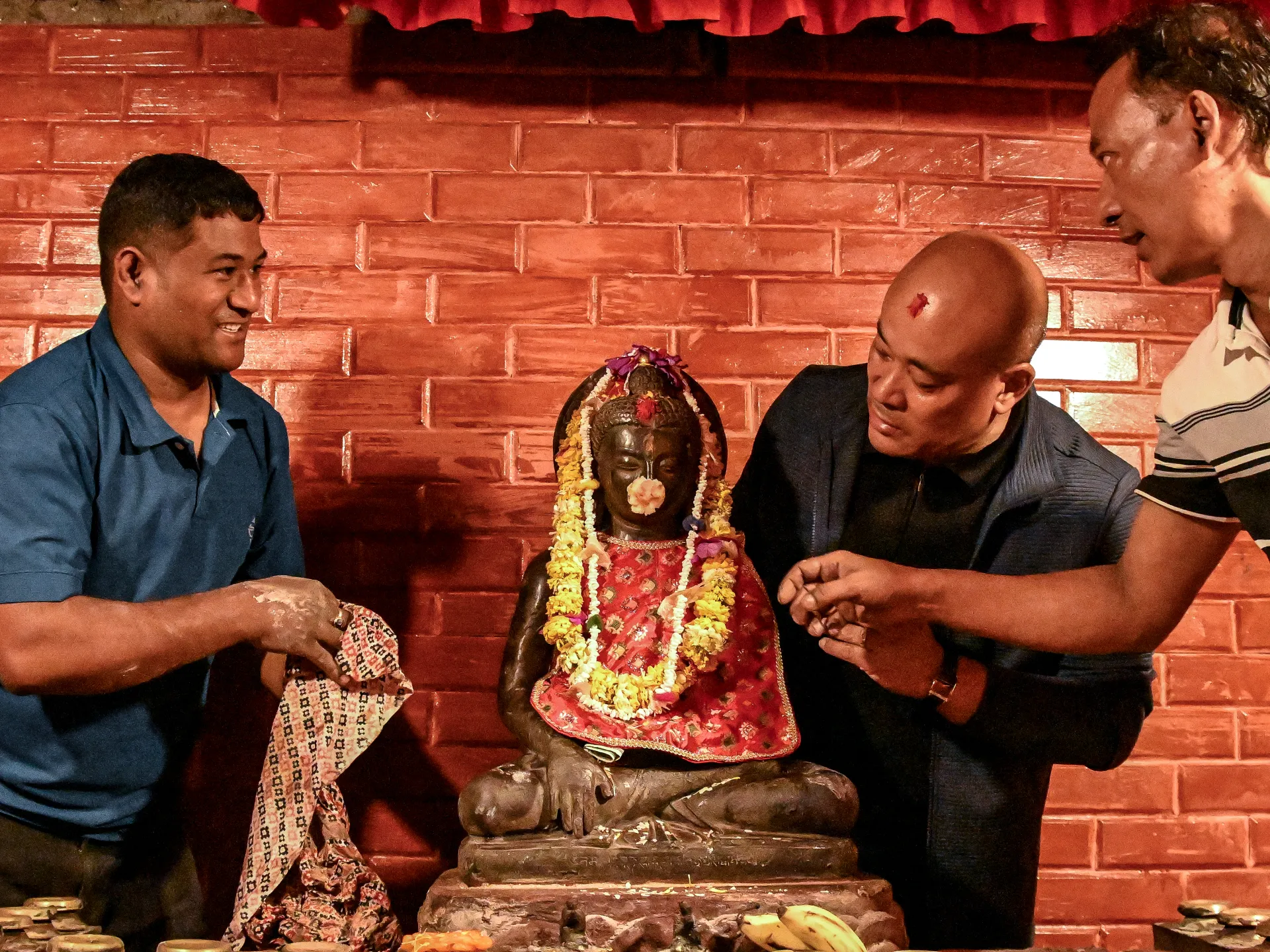
The return of a significant 13th-century Buddha statue has filled with celebration the cultural heart of Kathmandu, marking a major milestone in the repatriation of Nepal’s invaluable cultural heritage. The sacred artwork, which had been missing since it was taken in the 1980s, was ceremoniously reinstalled in its original pagoda-style temple home. The solemn procession, accompanied by traditional melodies, symbolized a return to rightful spiritual and cultural belonging for the Himalayan nation.
This recent homecoming is part of a broader effort to reclaim ancient artistic treasures that were illicitly removed from Nepali sites decades ago. High-profile events, including this one, are drawing international attention, with foreign representatives attending ceremonies to acknowledge the importance of restoring cultural patrimony. The statue, which surfaced in New York in 2022, was once viewed by the local community as a substitute piece, until its genuine article was restored to its proper place on its original stone base.
Significantly, the repatriation of such objects underscores deep concerns regarding the historical trafficking of artifacts. Many irreplaceable pieces of sculpture, intricate paintings, and architectural details were removed from temples and heritage sites, particularly following periods of increased global interaction starting in the mid-20th century. These items found their way into international art markets across the West, often facilitated by corrupt elements, despite the illegality of their export.
This movement toward repatriation signals a focused international commitment to rectifying historical cultural losses. Officials involved in the cultural dialogue have emphasized the critical nature of retrieving these assets, framing the process as an effort to correct past wrongs. For a population deeply connected to its religious traditions, the physical presence of such venerated idols is not merely an aesthetic concern but a vital component of daily life and spiritual continuity.
About the Author