Strait of Hormuz Stability Poised to Dominate Upcoming China-US Diplomatic Engagement
Preparations for high-level discussions between Chinese and American leadership suggest that the security situation in the Strait of Hormuz represents a paramount geopolitical concern. Sources close to the talks indicate that maintaining stability in this critical waterway and facilitating its reopening remains an urgent issue demanding immediate international attention. This focus suggests that energy security and freedom of navigation are central pillars guiding the diplomatic agenda.
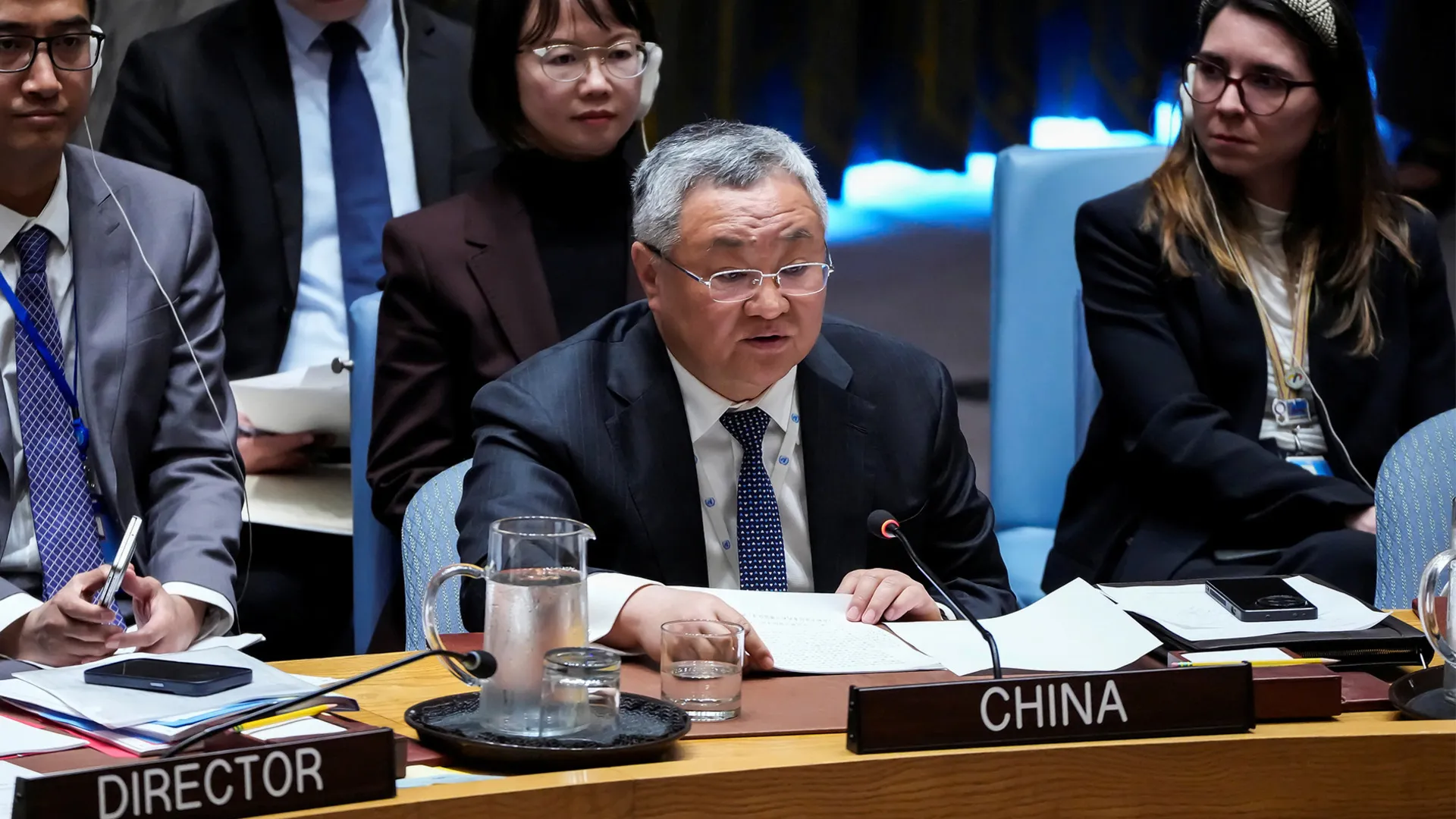
According to official commentary from China’s representative to the United Nations, the topic of the Strait’s operational status will carry significant weight during any dialogue involving the highest echelons of both nations. The emphasis placed on resolving any restrictions or closures highlights the immense global dependency on the free passage through this vital maritime chokepoint. Failure to address these underlying tensions could overshadow other aspects of the bilateral relationship being discussed.
What This Means for Global Energy Markets
The centrality of the Strait of Hormuz to global commerce cannot be overstated. Because a substantial portion of the world’s liquid energy trade passes through this narrow passage, any disruption has immediate and severe repercussions for international economies. Therefore, the diplomatic focus on its reopening signals a shared, mutual interest among major global powers: ensuring the continuous flow of vital resources. For the US and China, stabilizing this route is not merely a regional concern; it is an economic imperative for maintaining global trade stability.
Historical and Strategic Context
The strategic importance of the Strait of Hormuz stems from its geography, acting as a natural bottleneck between the Persian Gulf and the Arabian Sea. Historically, this area has been a critical nexus for oil shipments, making its security perpetually scrutinized by global powers. Discussions surrounding its status often touch upon broader themes of regional power projection, international law at sea, and the maintenance of predictable trade routes. The current elevated attention suggests increased geopolitical tensions are making the waterway a flashpoint in the broader US-China strategic competition.
Ultimately, the sustained focus on the Strait suggests that while leaders may discuss myriad topics—ranging from technology transfer to trade imbalances—the ability to ensure uninterrupted maritime passage in the Persian Gulf will likely frame the operational parameters and temper the outcomes of their bilateral meetings. The region’s stability is proving to be the underlying condition upon which broader diplomatic agreements must rest.
About the Author