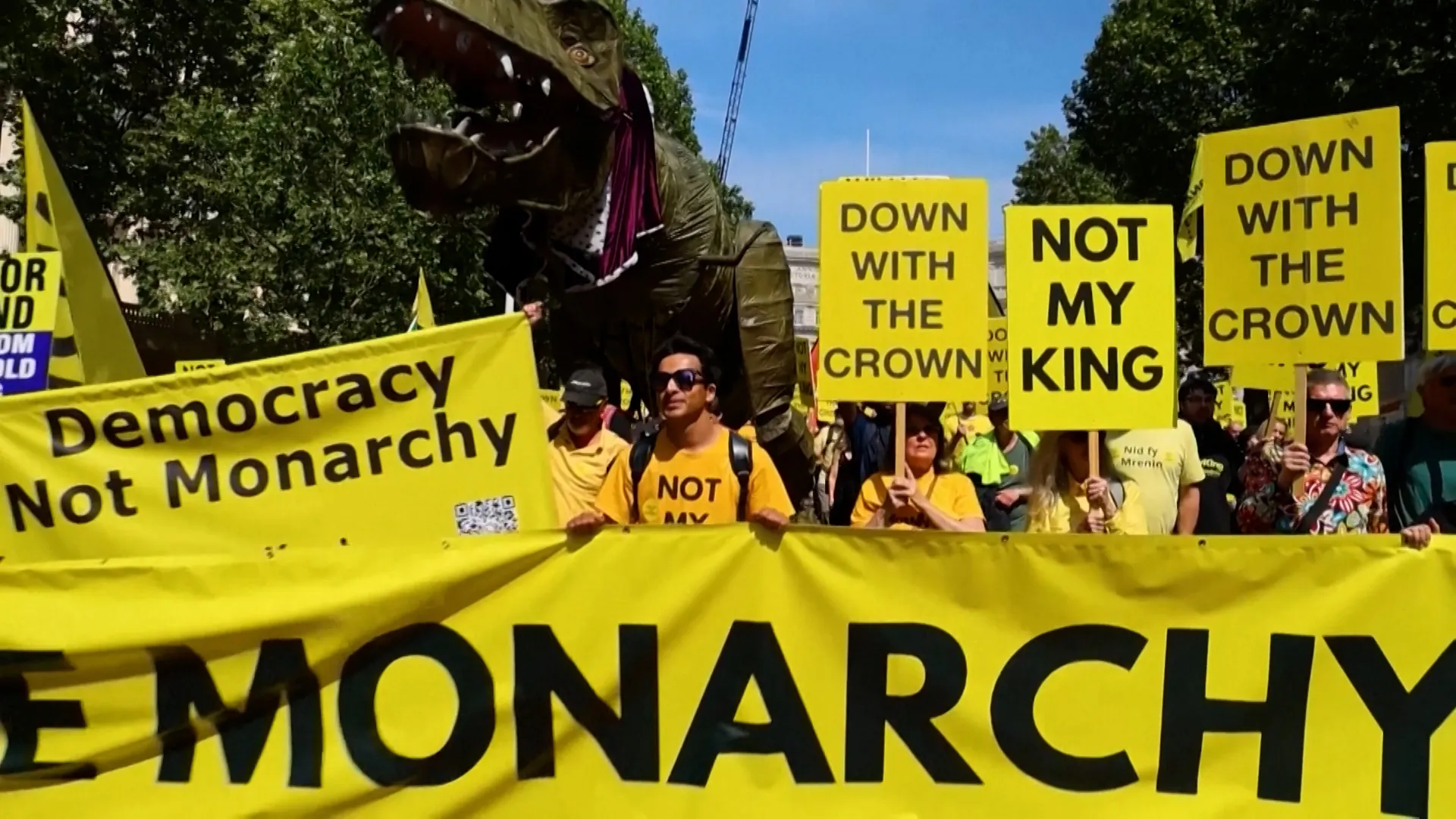
Calls for Republican Transition: Anti-Monarchy Demonstrators Gather in London
A gathering of individuals critical of the monarchy recently took place outside Buckingham Palace in London. The demonstration, organized under the banner of ‘No Kings,’ signaled a growing vocal presence of anti-royal sentiment within the capital. Participants congregated at the iconic location, using their presence to articulate demands for a fundamental shift in the nation’s constitutional structure.
The core message emanating from the protest was a clear call for the establishment of an elected head of state. Rather than accepting the current hereditary system, demonstrators voiced strong support for a republic. Their rallying cries, audible throughout the area surrounding the palace, focused on dismantling the existing royal institutions and moving toward a model of governance perceived as more democratic and accountable.
Understanding the Movement’s Core Demands
At its heart, the ‘No Kings’ movement represents a sustained push for a re-evaluation of the role of the monarchy in modern British life. Proponents of this viewpoint argue that the head of state should derive its legitimacy from the electorate rather than from birthright. This ideological stance positions the current monarchical system as inherently incompatible with modern democratic ideals, which prioritize popular sovereignty.
The calls for change are not merely symbolic; they reflect a broader philosophical discontent with inherited privilege. Advocates for republicanism believe that a civic leader chosen through democratic processes would ensure that the representative head of state directly reflects the will and consent of the governed, thereby enhancing political accountability across the board.
Significance of Public Dissent
The staging of such visible protests, particularly at a site as historically and symbolically charged as Buckingham Palace, carries significant weight. It indicates that the desire for constitutional reform is not confined to academic circles or private discussion; it is translating into tangible public action. Such displays of dissent act as barometers for shifts in public opinion, keeping the issue of republicanism in the national conversation.
For observers of the British political landscape, these gatherings underscore the enduring, though often marginalized, conversation regarding the structure of the state. The frequency and visibility of these protests compel broader discussions about the nature of symbolic power, the role of tradition versus modernity in governance, and the varying interpretations of what a legitimate, representative leadership should embody in the 21st century.
About the Author




