Russian Leader Signals Potential Conclusion to Ukraine Conflict Amid Diplomatic Overtures
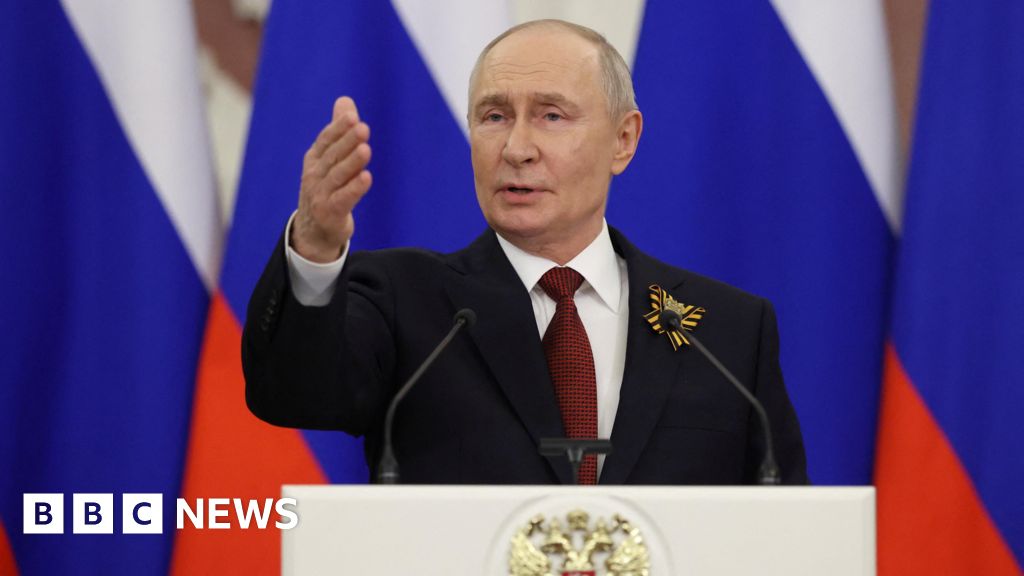
Russian President Vladimir Putin has publicly suggested that the ongoing military conflict with Ukraine is nearing a resolution. Making these remarks following a scaled-back military observance in Moscow, his comments addressed the ‘special military operation’ and outlined a path toward a lasting peace agreement. The statements indicated a willingness to discuss negotiations, contingent upon reaching comprehensive accords regarding the region’s future security architecture.
During his addresses, Putin asserted that any potential dialogue would necessitate a pre-established peace treaty signed in a neutral third country. He emphasized that any meeting with Ukrainian President Volodymyr Zelenskyy must represent the final culmination of diplomatic efforts. This suggested a significant shift in rhetoric, moving from justifications for continued military action toward defining the terms for an exit from the conflict.
The leader also signaled openness to discussing renewed security arrangements for the European continent. In detailing potential diplomatic avenues, he mentioned previous contacts and expressed a stated preference for engaging with certain figures within Germany’s political sphere as ideal negotiating counterparts.
What This Means: The Diplomatic Turning Point
These statements suggest a pivot in Moscow’s strategic posture. By repeatedly framing the conflict as reaching an end, the Kremlin appears to be managing expectations while simultaneously setting preconditions for any future engagement. The focus on a comprehensive, pre-agreed peace treaty, rather than bilateral talks, implies a desire to solidify core demands before any high-level dialogue can commence. This could signal an internal strategic reassessment or an acknowledgment that sustained conflict is proving unsustainable for Russia.
The timing of these remarks—following a speech where he characterized Ukraine as an aggressive, Western-backed entity—creates a mixed message. While rhetoric regarding war justification remains strong, the specific proposals for resolution point toward a necessary convergence on terms acceptable to the Russian leadership for future stability.
Background and Context
The military escalation between Russia and Ukraine began with Russian forces taking control of Crimea and various eastern regions in 2014, leading eventually to the full-scale invasion in 2022. Throughout the conflict, the leadership has maintained that Western support for Kyiv fueled the escalating confrontation. Official statements have consistently framed the military action as defensive against external influences. The recent public discussions underscore the intense geopolitical pressure and the deep divisions concerning the region’s sovereignty and its role within future European security structures.
About the Author