Revisiting US Objectives: A Strategic Assessment of U.S.-Iran Dynamics
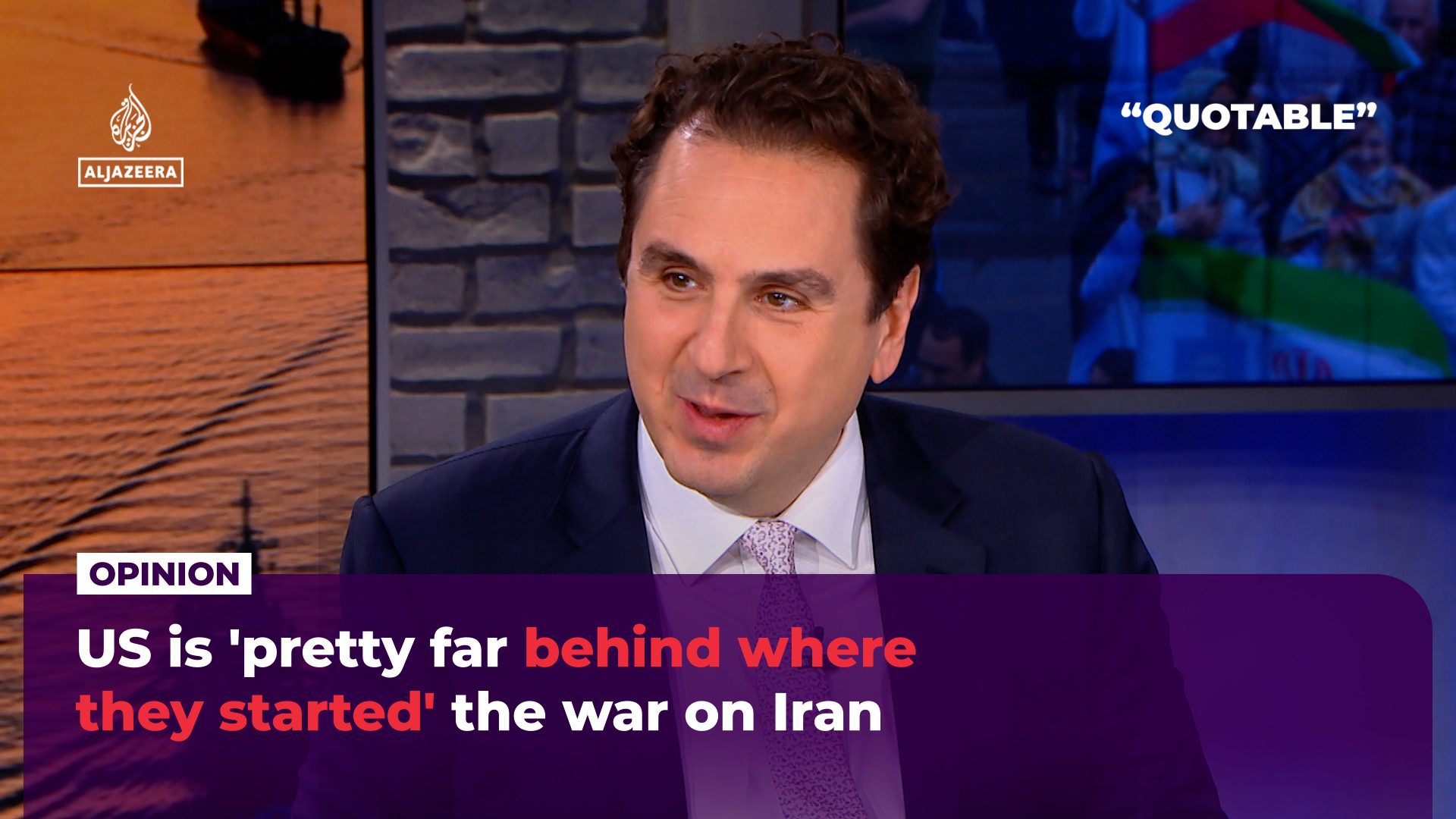
Current analyses suggest that the strategies and stated aims regarding Iran have undergone a significant shift, leading some observers to question the overall progress made relative to initial goals. Experts discussing the long-term geopolitical challenges have pointed out that the current operational posture may not align as closely with the foundational objectives set forth at the beginning of heightened engagement. This perspective suggests a complex divergence between initial planning and the ground reality observed today.
The discussion centers on the concept of strategic momentum, suggesting that key inflection points or diplomatic off-ramps, which could have facilitated a more definitive conclusion to specific tensions, were overlooked. Instead of achieving a clear endpoint, the situation appears to have evolved into a more protracted and diffused area of concern. This shift implies that the effort to move toward defined milestones has stalled, leaving the nation in a different operational space than when the primary policy decisions were first made.
What This Means: Implications for Future Policy
The implied distance from original objectives suggests that any future diplomatic or military action will require a comprehensive recalibration. If initial goals were contingent on specific diplomatic breakthroughs or regional compliance, the current impasse necessitates a deep reassessment of leverage points. The implication is that merely maintaining pressure is insufficient; a revised, multi-faceted approach targeting root causes—rather than just symptoms—will be necessary to regain footing on previously established markers of success.
This evaluation points toward the need for a pivot from purely assertive measures to more nuanced forms of engagement. Successfully navigating this complex relationship will require acknowledging the elements that have proved intractable, thus reshaping the anticipated path toward regional stability or strategic dominance.
Background Context: The Evolving Regional Calculus
The broader context involves shifting power dynamics across the Middle East. Regional actors continue to assert varying degrees of autonomy and influence, complicating any singular, comprehensive strategy dictated externally. Furthermore, the confluence of internal political changes within various nations bordering the region adds layers of unpredictability. Therefore, any assessment of progress must account for these decentralized and frequently changing variables. The challenge is no longer singular but distributed across a complex web of interconnected political and economic factors that demand careful, measured consideration.
About the Author