Global Activism Confronts Shipping Routes Near Israel
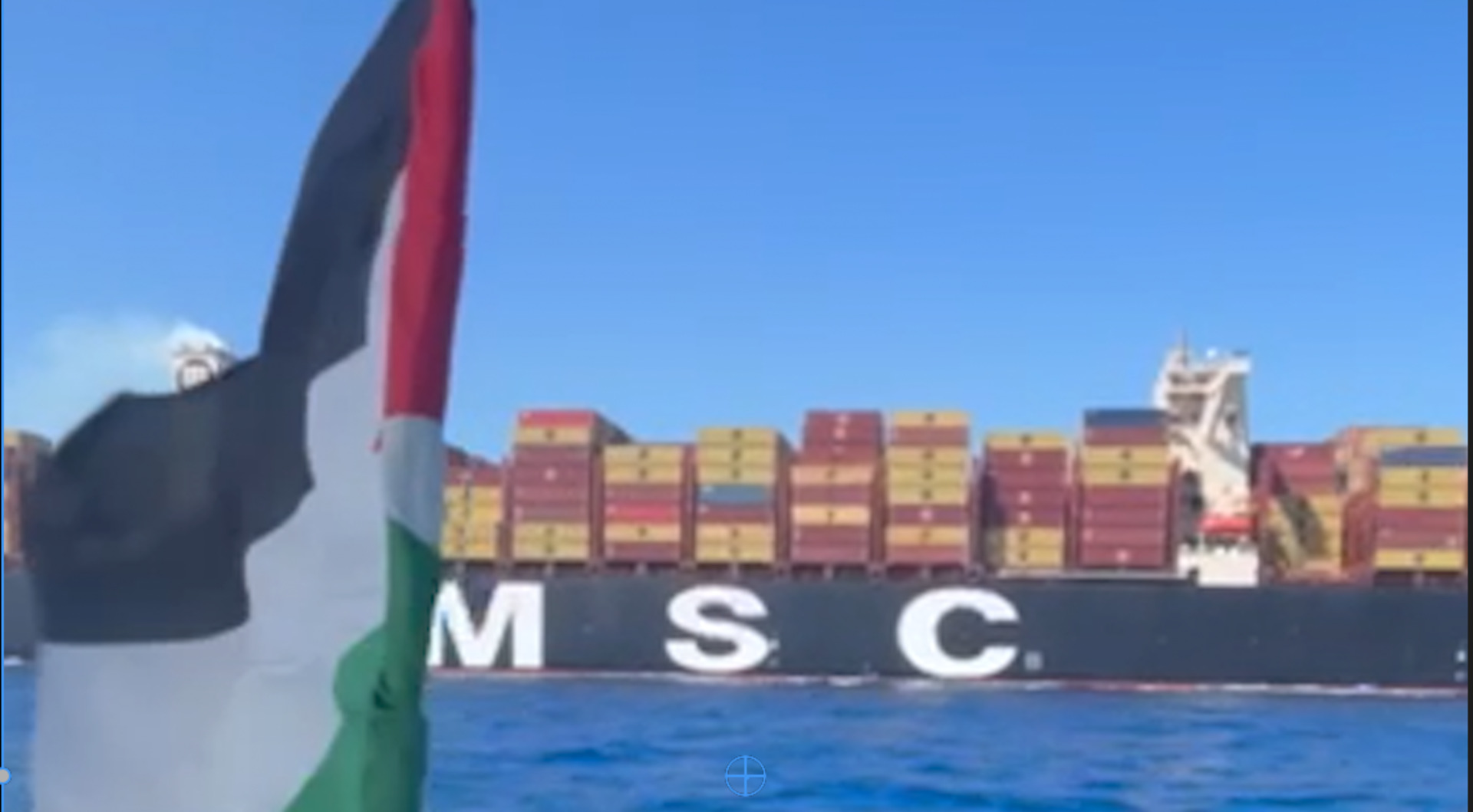
A recent maritime action saw a group identifying as the Global Sumud Flotilla intercepting a commercial vessel, the MSC Maya. The intervention occurred as the cargo ship was en route to key Israeli ports, specifically Ashdod and Haifa. The activists conducting the disruption asserted that the vessel was transporting materials destined for the assembly or support of Israeli weaponry.
The interception highlights ongoing international tensions surrounding maritime commerce and the movement of goods into Israel. The Global Sumud Flotilla’s actions represent a direct challenge to established shipping patterns, aiming to halt what they perceive as support for Israeli military or settlement expansion activities.
The Broader Implications for International Trade
The incident brings into sharp focus the entanglement of global commercial shipping with deeply contentious geopolitical disputes. The carrier involved, the Mediterranean Shipping Company, has been noted for its substantial activity connecting numerous destinations, including those related to Israeli settlements. The focus on this specific cargo ship suggests a concerted effort by activists to draw attention to the material components of the ongoing conflict.
This confrontation underlines a growing pattern where humanitarian or politically motivated activist groups are using non-traditional methods to impact commercial sea lanes. Rather than adhering to typical protest methods, these groups are directly engaging with vessels to physically impede their passage, raising questions about international maritime law and the right to freedom of navigation versus the right to protest.
Understanding the Context of the Interception
Official statements and reports regarding the vessel’s cargo are varied, but the core issue centers on the alleged nature of the materials being transported. The activists’ belief is that the goods are not for civilian use but are intrinsically linked to weaponry or supporting infrastructure for military purposes. This claim places the disruption squarely within the realm of political statement, using the shipping lanes themselves as the stage for protest.
The action forces international attention onto the precise tracking and utilization of commercial maritime freight. For many observers, this situation exemplifies the increasing politicization of global supply chains, where the movement of common commodities becomes entangled in conflicts of international law and ethics.
Background on Maritime Activism
Historically, protests impacting maritime trade have ranged from blockades to port picketing. This specific incident marks a more direct intervention targeting the ship itself. The background context involves sustained international criticism regarding the flow of goods into Israeli-administered territories and settlements. Therefore, the interception is not merely about one ship; it reflects a broader, sustained challenge against the logistical support systems perceived by the accusers to bolster Israeli operations.
About the Author