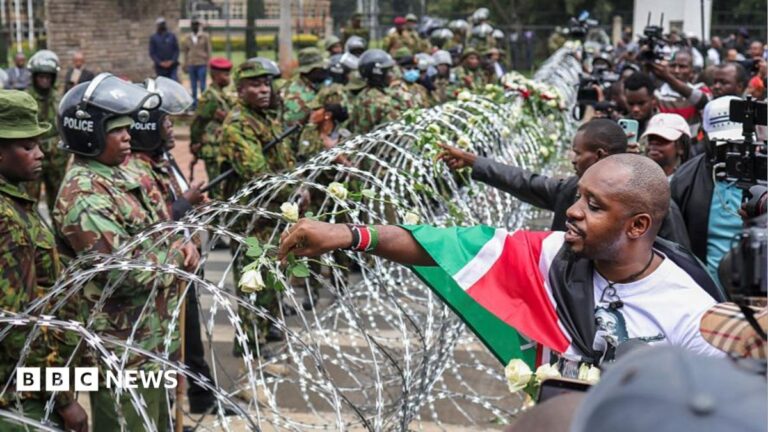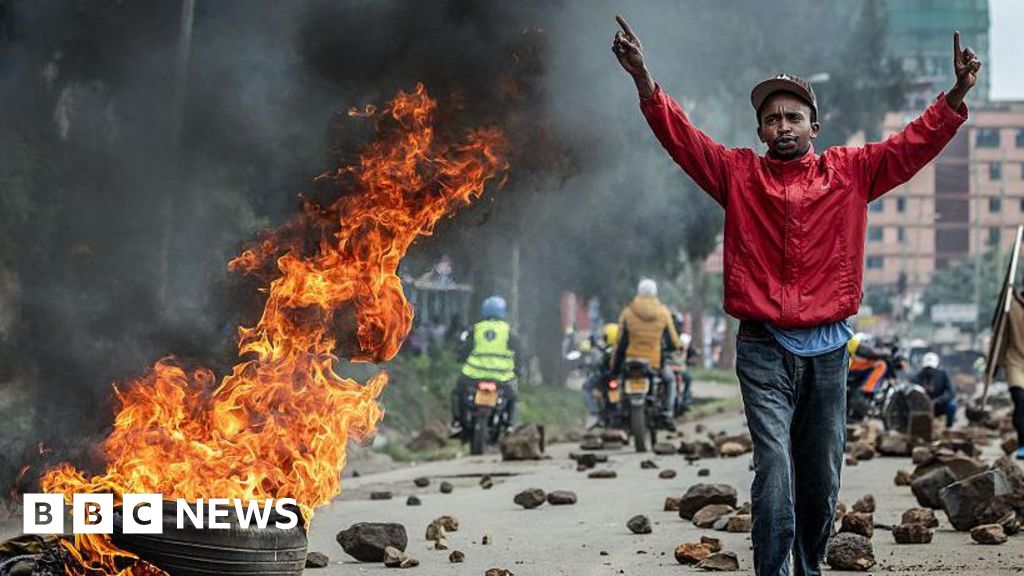
Recent, substantial increases in the cost of fuel across Kenya have triggered widespread civil unrest and significant disruption of daily life. Protests erupted in several locations, leading to clashes with authorities, resulting in multiple casualties. The turmoil has effectively paralyzed major thoroughfares in the capital, Nairobi, leaving many commuters stranded and causing a near-shutdown of normal commercial activity.
The backdrop to this escalating tension is the recent decision by authorities to raise petroleum costs to record levels, a hike estimated at over 20%. This sharp escalation in essential costs has placed immense economic pressure on the population. Citizens expressed profound distress over the sudden hike in transport expenses, noting that daily commuting costs have increased dramatically, making life increasingly difficult for many households.
The volatility in fuel prices is compounded by regional geopolitical factors. Kenya, which remains heavily dependent on oil imports from the Gulf region, faces instability related to global shipping routes. Although formal ceasefires have been declared, ongoing blockades on critical passages, such as the Strait of Hormuz, continue to keep global oil prices elevated, making local price stabilization efforts challenging for the government.
What This Means:
The situation underscores the deep sensitivity of Kenya’s economy to global commodity prices. When the cost of fuel spikes, it immediately ripples through every sector—from inter-city public transit to local commerce. The scale of the protests and subsequent clashes indicates a significant level of public discontent regarding the economic burden placed on the average citizen. Furthermore, the disruption highlights vulnerabilities in the nation’s logistical infrastructure, which relies on uninterrupted fuel supply chains.
Background / Context:
Historically, the movement of goods and people in Kenya has been inextricably linked to affordable fuel. The immediate impact of the price adjustments was visible across key transport nodes. Commuters reported being unable to travel normally, leading to backups of buses and private vehicles far from their intended destinations. Beyond the immediate protests involving roadblocks and burning materials, there were also reports of confrontations between demonstrators and law enforcement, necessitating the use of crowd control measures.
About the Author