Search Concludes in Maldives After Discovery of Missing Italian Divers
A significant search operation in the Maldives has culminated in the recovery of the remains of several Italian divers following a diving accident. The bodies were discovered deep within a substantial underwater cave system in the Vaavu Atoll region. The joint recovery effort, involving specialized personnel from both Finland and the Maldives, was required to reach the victims.
The incident marked one of the most severe diving accidents reported in the popular island nation. Official sources confirmed that the group, which included experts studying environmental changes, was unable to be located immediately. Efforts continued in the days following the initial incident, with salvage operations being managed by local and international diving teams.
The Circumstances of the Discovery
Investigators have confirmed the recovery of four individuals within a deep, 60-meter-down cavern. The location deep inside the cavern required considerable technical diving expertise to access. Previous recoveries included the remains of at least one other group member, indicating the extensive nature of the underwater search. The operation was reportedly marred by further loss when a local rescue diver passed away while actively participating in the search and recovery efforts.
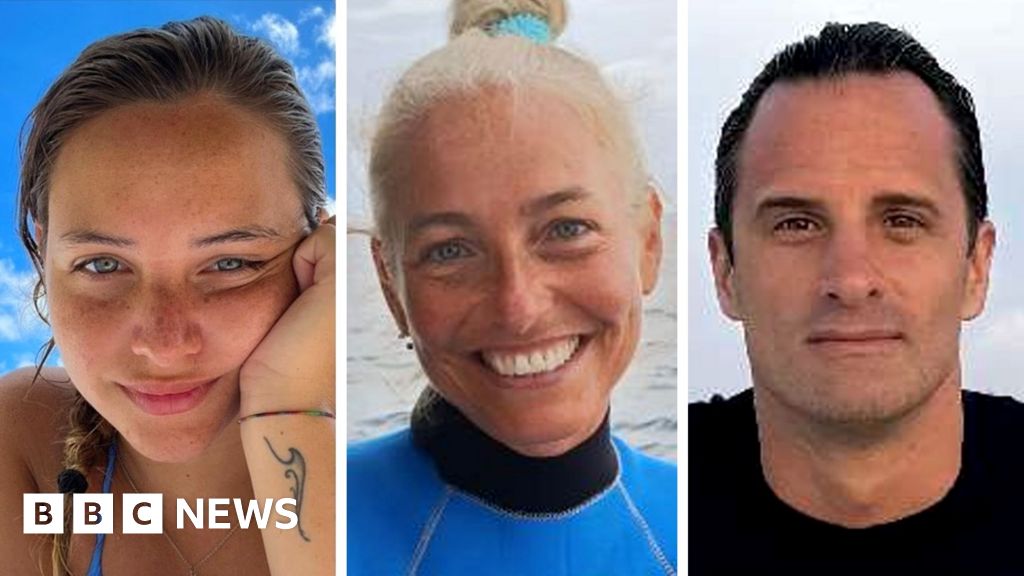
The group of divers was comprised of academics and students from Italy, who were in the Maldives to conduct specialized research. Two of the individuals were associated with the University of Genoa, participating in a study examining how global climate shifts affect local biodiversity. The team also included a recent graduate and a boat operations manager.
Implications and Context of the Tragedy
The incident underscores the inherent dangers associated with deep-sea and cave diving, even when conducted for scientific purposes. Diving operations in locations known for spectacular marine life and natural formations, such as the Maldives, carry elevated risks. The successful, albeit tragic, retrieval of the bodies marks the end of a difficult search phase, although authorities indicated that subsequent dives were anticipated to recover any remaining remains.
The situation highlights the critical coordination required between different national groups—in this case, specialized teams from Finland and the Maldives—to manage complex marine rescue missions. The commitment of local rescue personnel to such dangerous undertakings emphasizes the perceived gravity of the event within the international tourism and scientific communities.
Broader Significance
The retrieval effort itself has drawn international attention to the complexities of conducting scientific expeditions in pristine, yet volatile, marine environments. These types of deep-water incidents necessitate highly specialized, multi-agency responses, proving that while the Maldives draws visitors for its natural beauty, its underwater ecosystems present significant hazards that require careful management and international support for any research undertaken.
About the Author