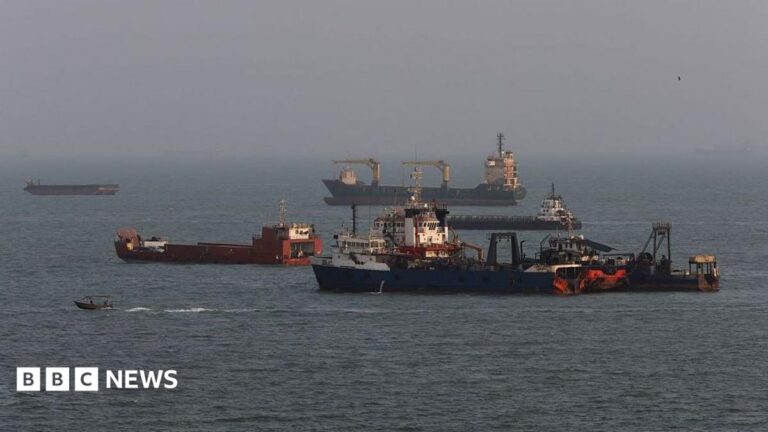
Tensions flared recently over an attempt by a large-scale, pro-Palestinian aid flotilla to reach the Gaza Strip. Reports indicate that a significant number of vessels en route were intercepted by Israeli naval forces in international waters, situated near the Greek island of Crete. Activists involved characterized the operation as an unlawful seizure, claiming the intervention occurred far from Gaza, which is subject to an ongoing maritime blockade.
The flotilla, which had amassed dozens of ships from several European nations, had set out with the stated goal of circumventing the existing blockade to deliver humanitarian supplies. However, the confrontation escalated when activists accused Israeli forces of launching a coordinated raid. These reports detailed multiple vessels being boarded, disabled, and alleged intentional actions taken against the passengers, including detaining numerous civilians.
On the other side, Israeli officials stated that the intervention was a necessary action to uphold international law and prevent a breach of the established blockade. According to official statements, the operation involved the detention of a substantial group of activists from several boats. The Israeli authorities also reported findings of prohibited materials onboard some of the intercepted vessels, including items identified as drugs and contraceptives.
What This Means: Impact on Humanitarian Efforts and International Law
The incident underscores the deep international dispute surrounding humanitarian access to Gaza. For activists, this confrontation represents a major obstacle to delivering aid, while the Israeli government maintains that its actions are strictly measured responses to security concerns and adherence to established maritime regulations. The resulting tension highlights the ongoing difficulty in coordinating humanitarian relief efforts in areas under blockade, raising complex questions regarding jurisdiction and the rights of international maritime passage.
Background / Context: Blockade Tensions
The context for these events is the ongoing blockade of the Gaza Strip. International groups have repeatedly attempted to circumvent these restrictions, leading to significant confrontations at sea. The Israeli government has consistently framed any unauthorized attempt to transport goods or people into Gaza as a security threat requiring immediate interception. These repeated standoffs keep international humanitarian law and the principle of freedom of navigation at the center of global political debate.
About the Author