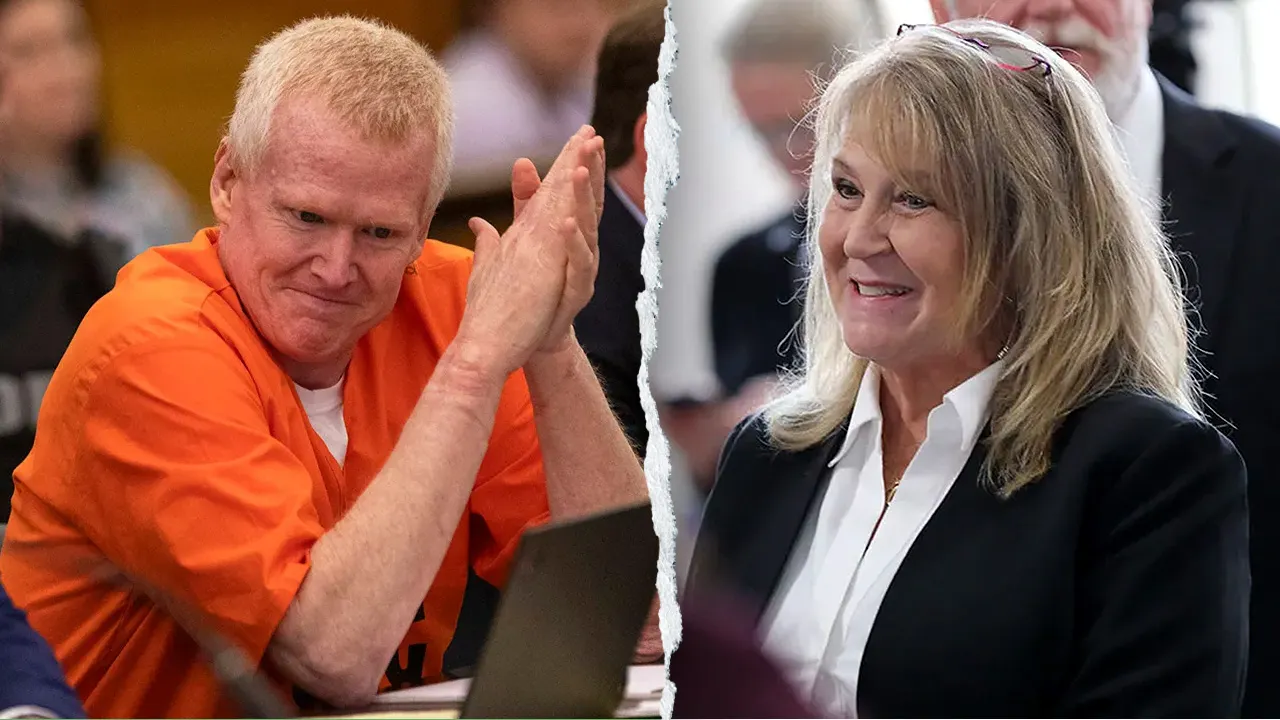
Following the overturning of his double-murder conviction by the South Carolina Supreme Court, Alex Murdaugh has initiated legal action against a court clerk. The lawsuit accuses the clerk of substantial misconduct, alleging that she improperly interfered with the jury’s deliberation process during his original trial. The complaint details specific claims of influence, suggesting the actions were taken to ensure a predetermined guilty verdict.
The allegations center on the clerk’s supposed attempts to sway the jury’s opinion outside of established courtroom procedures. According to the lawsuit, the clerk reportedly advised jurors on how to interpret the evidence, instructing them to remain vigilant against misleading arguments presented by the defense. Furthermore, the complaint describes instances of private meetings held with the jury’s foreman in discreet locations around the courthouse.
The legal filing also suggests a deeply personal motive behind this alleged interference. It claims that the clerk suggested her actions were tied to financial incentives, implying that securing a conviction would benefit unrelated professional pursuits. This combination of procedural manipulation and alleged personal gain forms the core of the new civil rights violation suit.
What This Means:
This lawsuit signals a significant legal challenge to the integrity of the original trial proceedings. By suing the court staff, Murdaugh’s legal team is attempting to establish a formal record of misconduct that contributed to the initial wrongful conviction. The success of this suit could not only hold the individual accountable but could potentially reshape standards for judicial support staff interactions with jury members, adding a layer of scrutiny to court operations.
Background / Context:
The backdrop for these accusations is the South Carolina Supreme Court’s decision to nullify Murdaugh’s prior guilty verdict and mandate a new trial. This appellate ruling already indicated severe procedural flaws during the original proceedings. The current litigation seeks to deepen the inquiry into the extent of bias and misconduct, moving beyond the initial findings of judicial error to address potential breaches of conduct by court personnel.
About the Author