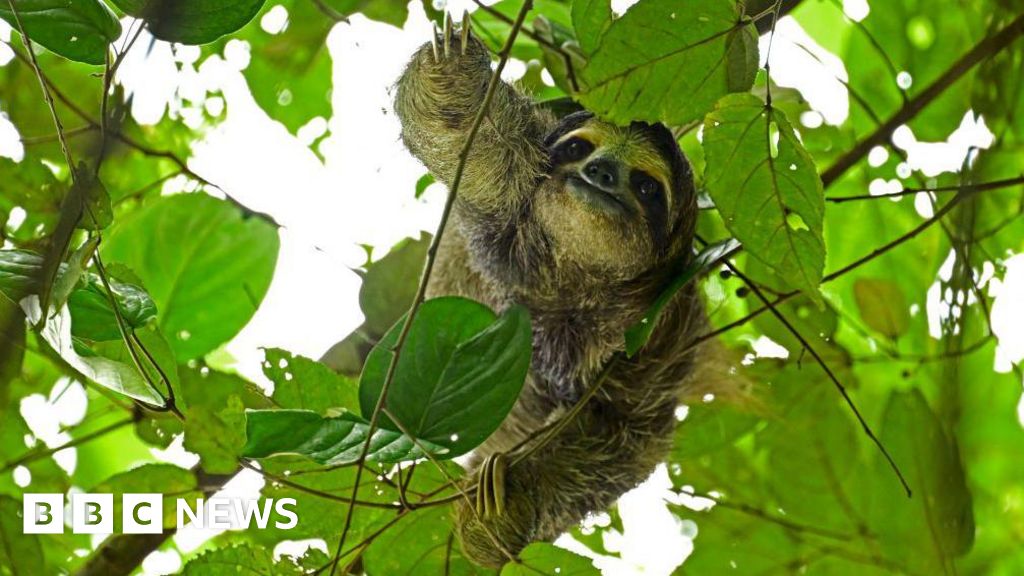
Concerns Mount Over Animal Welfare After Sloth Attraction Faces Controversy
Plans for a new, highly anticipated sloth exhibit in Orlando, Florida, have been overshadowed by troubling reports concerning the health and mortality of the animals intended for display. Official investigations into the facility revealed that a significant number of sloths perished shortly before the attraction’s scheduled debut. These incidents of animal loss have prompted questions regarding the standard of care provided to the mammals during transport and staging processes.
Details emerge suggesting that some of the animals faced adverse conditions while housed in a holding facility. In addition to environmental concerns noted during shipping logistics, reports also highlighted instances where sloths arrived exhibiting signs of poor health or were found deceased upon arrival. These accumulating reports have cast a shadow of doubt over the operational procedures and the overall welfare infrastructure supporting the proposed sanctuary.
These revelations force a re-examination of the standards required for exotic animal exhibits. The focus of the ensuing discussion has shifted from the promise of a new, immersive habitat to the rigorous vetting of animal handling, transport, and preparatory care necessary for species like sloths.
Significance of the Findings
The core significance of these findings centers on accountability within the exotic pet and exhibit industry. The deaths of these sloths, whether attributed to environmental stress, disease, or logistical failures, raise critical questions about preemptive safety measures. Stakeholders expect that facilities planning permanent public exhibits must demonstrate comprehensive protocols that anticipate and mitigate risks associated with intercontinental animal transport and acclimatization.
Furthermore, the contrast between the attraction’s marketing—which promotes an idyllic, expert-designed habitat—and the documented difficulties in preliminary animal husbandry creates a significant gap in public trust. The industry must address these concerns transparently to maintain credibility, ensuring that the focus remains strictly on animal well-being above the launch of the commercial venture.
Background Context of Exhibit Preparation
The development of specialized animal habitats requires multiple phases, including international sourcing, long-distance shipment, quarantine, and gradual acclimation. Official statements noted discrepancies in the readiness of the transfer facility when certain shipments arrived. Specifically, issues surfaced regarding the suitability of the warehouse environment for receiving sensitive wildlife cargo. These logistical challenges, compounded by the initial shipment difficulties, suggest that preparation efforts may have lagged behind the aggressive timeline for the facility’s public opening.
About the Author