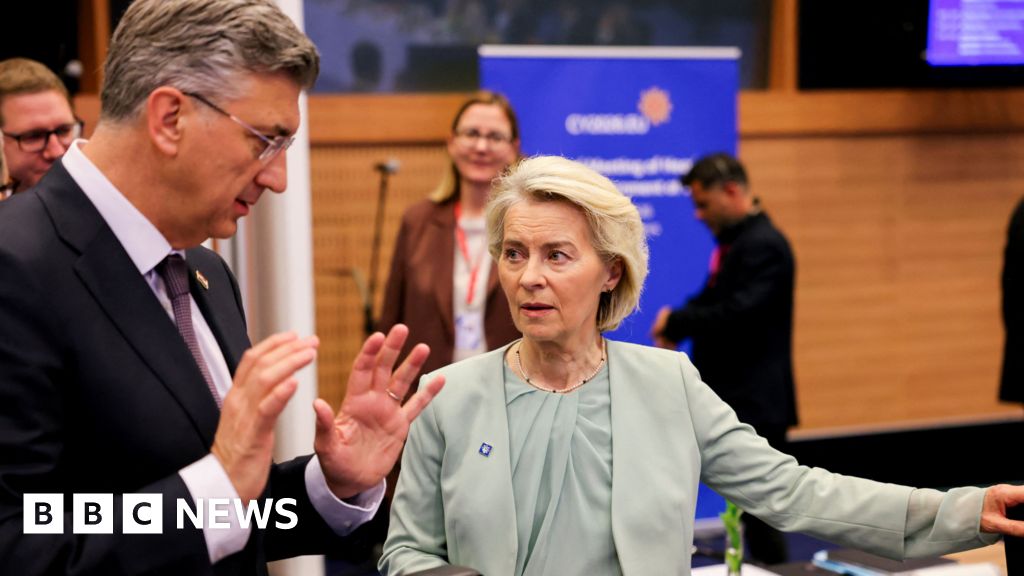
As international gatherings continue to address complex geopolitical hurdles—ranging from energy security concerns to regional conflicts—recent communications have surfaced suggesting potential punitive actions by the United States against its European partners. These reports indicated that the US might consider measures to penalize allies perceived to have failed in supporting certain international campaigns. This potential strain on transatlantic relationships quickly became a flashpoint, drawing sharp reactions from neighboring European leadership at a recent summit.
The collective response from several European officials emphasized unwavering commitment to existing security structures. Leaders from nations comprising the European Union and NATO publicly affirmed the solid standing of their respective members. Officials stated that the alliance remains robust and that any suggestion of membership jeopardy was unfounded. These statements served as a united front, reinforcing the principle that European security cohesion is paramount and vital to the strategic interests of all involved parties.
These displays of solidarity also prompted notable diplomatic shifts among key European figures. One prominent leader, previously viewed as a strong proponent of closer ties with the US, publicly criticized the escalating tensions between Washington and a key Mediterranean nation. This public disagreement reflected a broader trend across the continent, as public sentiment and political leadership increasingly distanced themselves from certain US political figures, particularly regarding rhetoric deemed detrimental to European stability.
About the Author