The Digital Shelf: How TikTok is Becoming the Primary Engine Driving Book Sales
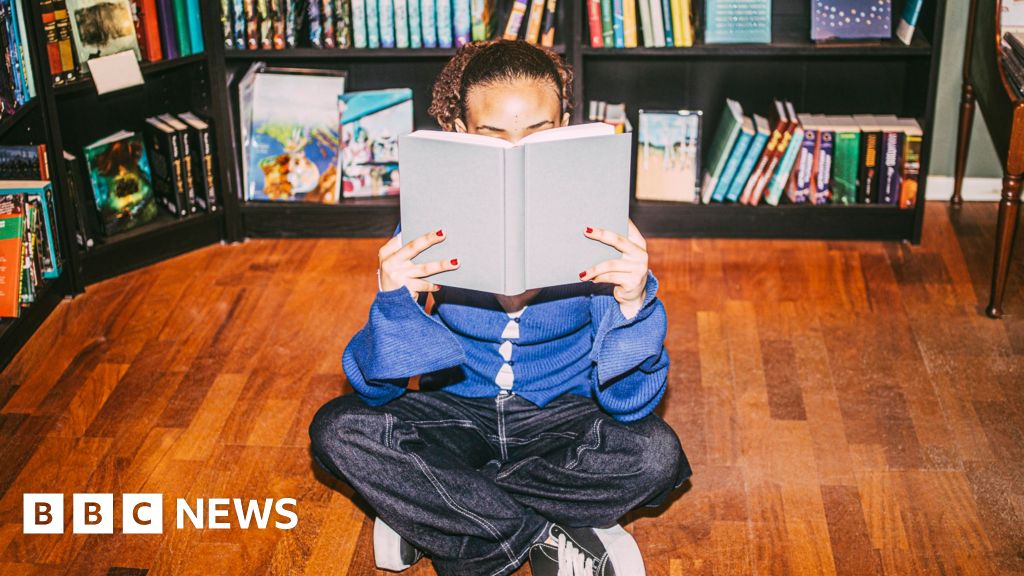
The process of discovering a book has undergone a profound transformation in modern times. Gone is the sole reliance on traditional book store displays or established bestseller metrics. Today, a significant portion of a reader’s decision to pick up a novel can be traced back to highly personalized, emotionally charged recommendations shared across social media. Platforms like TikTok have become potent cultural forces, allowing content creators to shape reading tastes on an unprecedented scale through rapid-fire reviews and passionate reactions.
This undeniable influence has led to a major formalization of the trend. A new, official best-seller index has been established in the UK, which ingeniously merges verified sales figures with an analysis of the massive volume of activity occurring under the #BookTok tag. This new metric signals that the digital buzz is no longer just anecdotal; it is now quantifiable data influencing the commercial success of literature.
This development points to a fundamental shift in marketing and consumer behavior. Publishers and authors must now account for the power of online community engagement. The popularity of specific genres, particularly high-fantasy romance, highlights how dedicated online fanbases can sustain the interest in a series long after a book’s initial release, creating lasting commercial momentum for creators.
Analyzing the Impact of Digital Buzz on Publishing Success
The establishment of this hybrid sales chart provides valuable insight into the current literary market. The initial listings reveal a clear appetite for certain styles and creators. One notable trend is the reappraisal of backlist titles; books published many years ago can resurface to prominence when they connect with a new, digitally engaged readership. This longevity demonstrates that viral discovery can revitalize established literary works.
Furthermore, the list is heavily weighted toward authors with both recent publications and those slated for screen adaptations. This suggests a symbiotic relationship between the novel format, its digital promotion, and its potential for visual media. The consistent feature of certain author groups also underscores the power of serialized storytelling and cohesive fictional universes, which are perfect for sustained online discussion and community investment.
Context: The Rise of Community-Driven Consumption
Historically, literary success was dictated by gatekeepers—editors, literary critics, and established sales data. Today, the reader community has taken a much more active role. The dedicated enthusiasm seen around certain genres, such as romantic fantasy, is fueled by online spaces where readers can not only consume content but also actively participate in building lore, debating theories, and championing authors together. This communal enthusiasm translates directly into tangible, measurable sales figures, solidifying TikTok’s position not merely as a suggestion tool, but as a key economic driver for the entire book industry.
About the Author