Stalled Diplomacy Leaves Critical Maritime Chokepoint Vulnerable
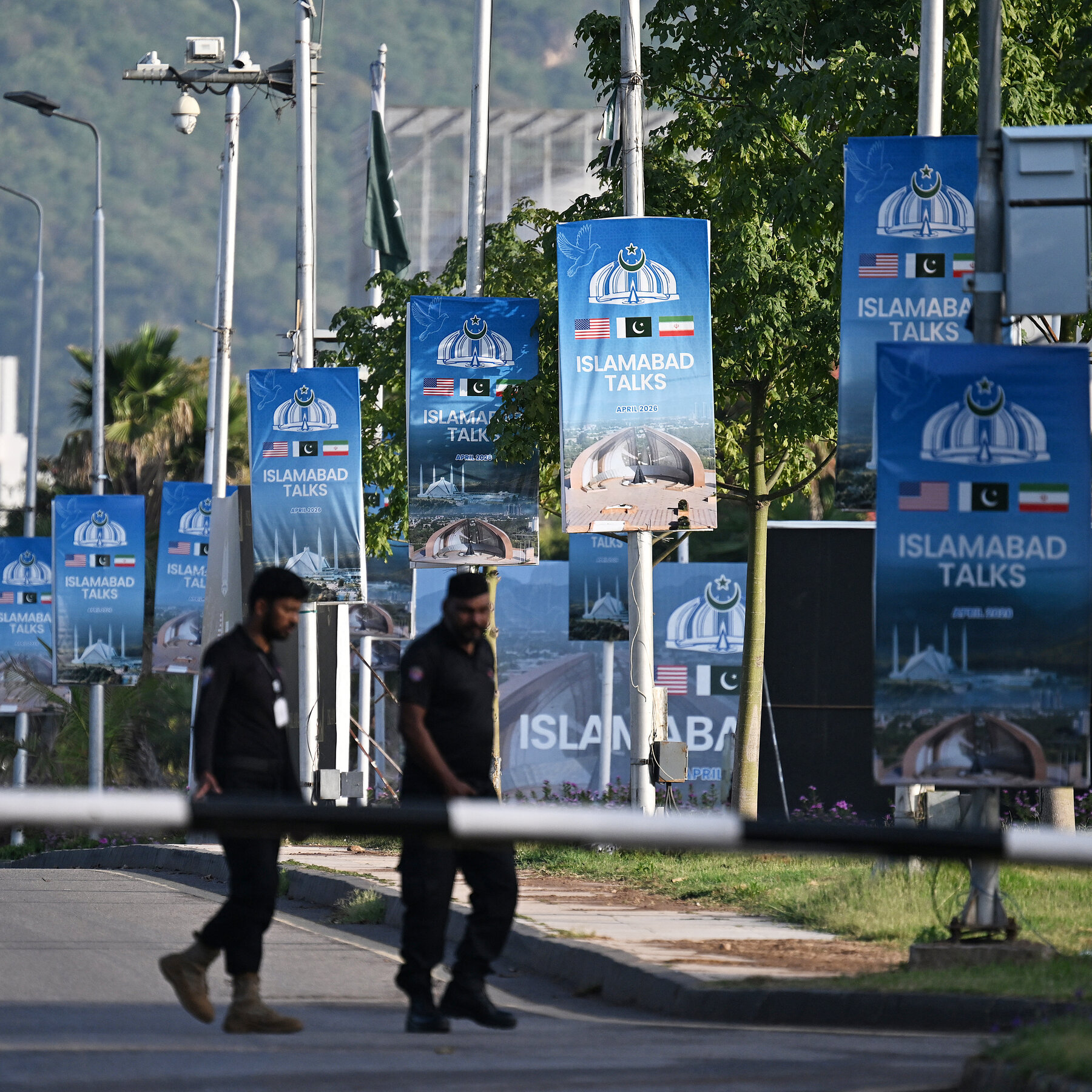
Recent high-level discussions aimed at achieving a comprehensive peace agreement between the United States and Iran have reportedly encountered a significant stumbling block. The core of the dispute appears to revolve around the trajectory of Iran’s nuclear program, creating a deep fissure within the negotiation process. Experts tracking the diplomatic efforts suggest that until a mutual understanding can be forged regarding these sensitive technological and security issues, a full de-escalation remains distant.
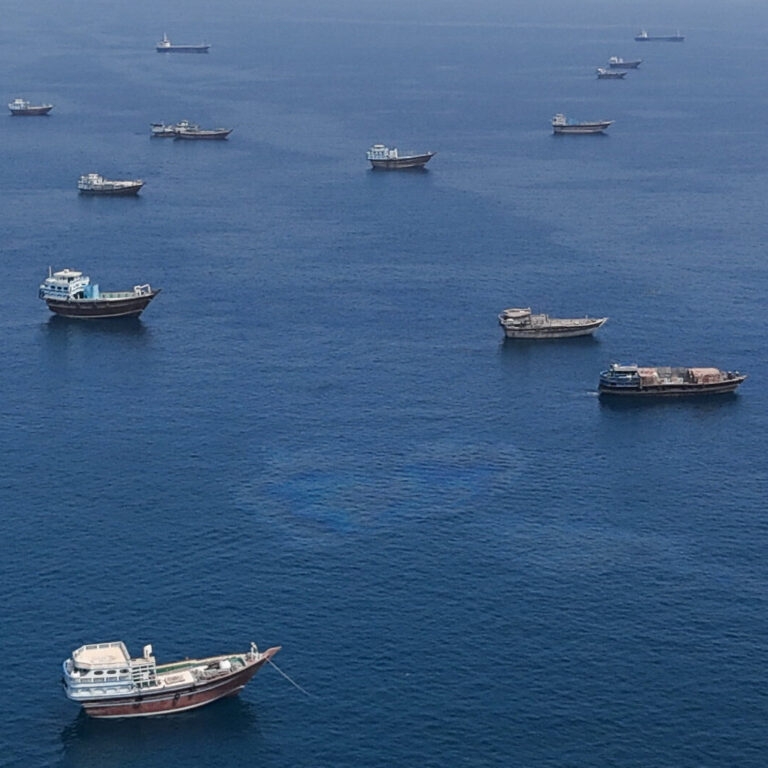
The most immediate and palpable consequence of this diplomatic pause is the continued instability surrounding major global transit routes. Specifically, the situation in the Strait of Hormuz, a vital artery for international shipping, remains under significant strain. Much of the energy trade that underpins global economies must traverse this narrow passage, making any disruption a matter of international economic concern. The lack of a finalized agreement underscores the continuing geopolitical tensions defining the region.
The Economic Ramifications of Continued Uncertainty
The impasse has direct implications that extend far beyond diplomatic circles. The Strait of Hormuz is not merely a point on a map; it functions as one of the world’s most critical commercial thoroughfares. Because a lasting diplomatic resolution has not been reached, international shipping patterns continue to operate under a cloud of risk. This uncertainty impacts energy futures, insurance rates, and the logistics for countless goods moving between Asia, the Middle East, and Europe.
The inability to secure an agreement on the nuclear file means that preventative measures and contingency planning remain at the forefront of international policy discussions. Major economies and maritime insurers are paying close attention to any shift in posture, as the current state represents a high-stakes balance between diplomatic off-ramps and potential military escalation.
Broader Regional Implications and Context
The relationship between Washington and Tehran has historically been complex, characterized by periods of intense confrontation interspersed with brief windows of engagement. Current negotiations represent an effort to stabilize a deeply volatile geopolitical area. The focus on the nuclear issue highlights the fundamental divergence in how the two nations view international safeguards and technological development. For one side, the issue is framed by concerns over non-proliferation; for the other, it is viewed through the lens of sovereign development rights.
The broader regional context further complicates matters. Stability in the Persian Gulf is inextricably linked to global energy security. Therefore, the diplomatic stalemate is viewed not just as a bilateral dispute but as a threat to multinational commerce. Any framework for peace must, by necessity, address the safeguards of vital trade routes to prevent sustained economic fallout from continued tension.
Analyzing the Stalemate’s Impact
The negotiation deadlock signals that the path toward normalization is fraught with mutually unacceptable demands. The inability to reach consensus on Iran’s nuclear status suggests that core disagreements regarding international oversight and national sovereignty have not been adequately bridged. Until the parties can establish a unified framework that satisfies both security imperatives—the need for global stability and the desire for regional development—the threat of disruption to key chokepoints, like the Strait of Hormuz, is likely to persist, keeping global markets in a state of cautious alert.
About the Author