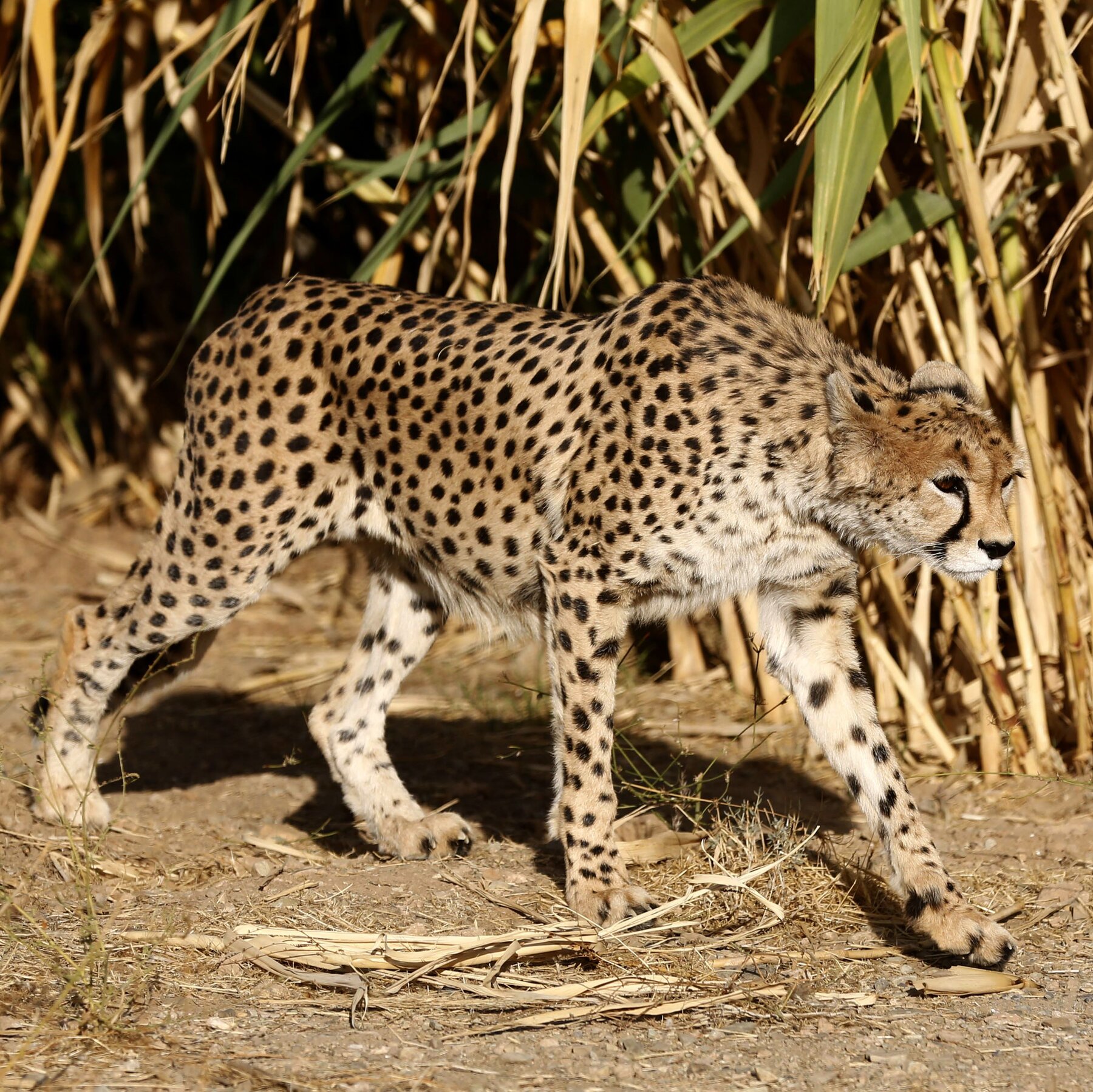
Resilience on the Brink: Cheetah Sightings Offer a Glimmer of Hope for Iran’s Apex Predator
Recent wildlife observations in Iran have provided an encouraging surge of data for conservation biologists studying the critically endangered Asiatic cheetah. These sightings are significant because they confirm the continued presence of the species, with reports detailing both adult individuals and young cubs. For conservationists, these visual records represent crucial evidence that the species, which is endemic only to Iran, is managing to persist in challenging habitats.
The confirmed sightings suggest that targeted efforts to protect the cheetah’s remaining range may be yielding positive results. The mere existence of cubs is particularly noteworthy, as it indicates successful breeding within the wild population. Experts view this tangible evidence of life and reproduction as a vital sign for the long-term viability of this magnificent, yet threatened, cat. The focus, therefore, remains on supporting the ecosystems that allow these rare animals to thrive.
What This Means: A Turning Point in Conservation Efforts
The confirmed sightings elevate the conversation around cheetah conservation from one of mere survival to one of potential recovery. The ability of the Asiatic cheetah to breed and establish viable populations within Iran underscores the necessity of sustained, comprehensive conservation programs. These positive findings signal that current protected areas and anti-poaching measures are actively contributing to the species’ resilience. Successfully monitoring and documenting these animals provides the backbone for developing more robust management plans that address habitat degradation and human-wildlife conflict.
For wildlife management bodies, this means refining operational strategies. The data gathered from these sightings helps pinpoint critical areas needing immediate protection, allowing conservationists to allocate resources—such as habitat restoration and corridor maintenance—where they will have the greatest impact on the cheetah’s survival rate.
Background and Context: The Struggle for Existence
The Asiatic cheetah faces immense pressures across its limited range, making its status highly precarious. Its plight is emblematic of many apex predators globally, whose populations are severely impacted by encroaching human development and climate change. Historically, cheetah populations have suffered dramatic declines due to a combination of factors, including habitat loss, conflict with local livestock, and illegal poaching.
Because the Asiatic cheetah is an incredibly localized species, its survival is intrinsically linked to the health of its specific ecosystem within Iran. The persistence of the species, despite the numerous threats, highlights the deep connection between local conservation action and global biodiversity efforts. Continued monitoring is essential to understand the precise threats these animals face day-to-day and to ensure that human activities do not compromise the fragile foothold they have established.
About the Author