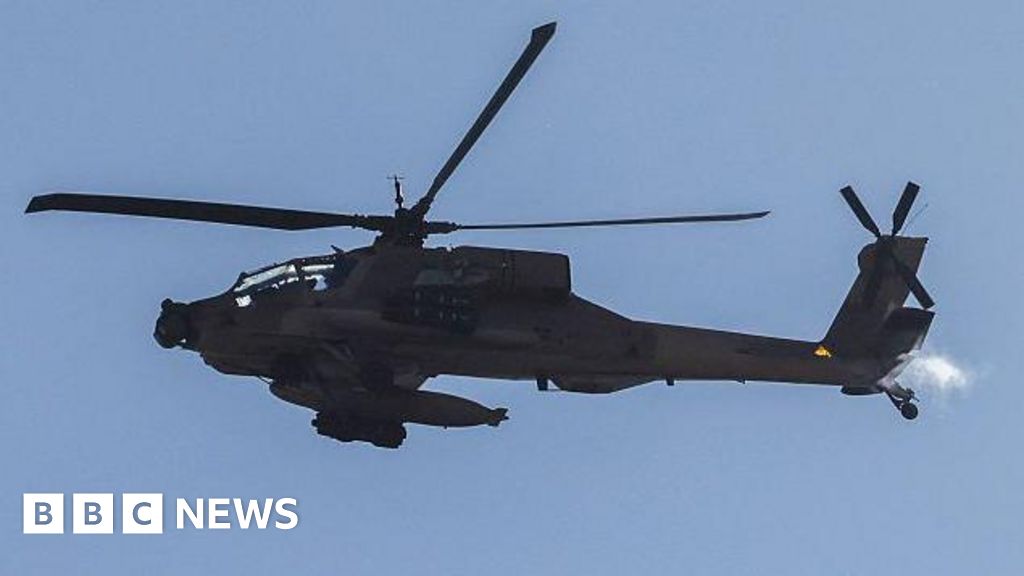
Geopolitical Tensions Rise Amid Claims of Attack Near Strait of Hormuz
Reports have surfaced alleging that a U.S. military helicopter operating near the Strait of Hormuz was disabled by an external force. The incident, which reportedly resulted in the crash of the Apache aircraft, has immediately escalated regional tensions. Officials connected to the matter indicated that, following the incident, two crew members were successfully recovered by an American maritime drone, confirming their safety and lack of injury. However, the assertion of an attack has prompted strong rhetoric from high-level U.S. figures, signaling a potential need for a substantial counter-response.
This alleged act of aggression carries significant weight, particularly given the fragile nature of existing de-escalation efforts between regional powers. The implication of a forceful American retaliation raises concerns about reigniting instability in a volatile flashpoint. While the immediate scope of any potential military reaction has not been fully detailed, the mere suggestion of intervention introduces immediate risks of further conflict escalation.
What This Means: A Crossroads of Diplomacy and Force
The situation places regional diplomatic efforts at a severe crossroads. Any major military reprisal originating from the United States carries the immediate risk of destabilizing tenuous ceasefires currently in place. The diplomatic community is closely watching for assurances that any action taken will be measured and limited. Furthermore, the tension surrounding this incident cannot be viewed in isolation; it occurs against a backdrop of heightened regional military activity, such as documented strikes taking place in southern Lebanon.
The underlying significance is the immediate challenge to established military deterrence norms. While certain officials have suggested that diplomacy remains the preferred path, the strong language regarding necessary responses suggests that diplomatic channels may be strained to their breaking point. The interplay between alleged hostile acts, past warnings from regional actors, and ongoing military maneuvers creates a highly pressurized security environment.
Background and Context: A Pattern of Elevated Risk
The current climate reflects a pattern of heightened regional military readiness. Leading into this controversy, Iranian officials had previously issued strong warnings regarding external military movements near Iranian territory. They asserted that foreign forces operating nearby faced perpetual danger, whether due to operational error, accidental collateral damage, or direct conflict. Such pronouncements historically serve to urge the withdrawal of non-local military assets to mitigate risk.
Moreover, the backdrop includes ongoing negotiations and escalating cross-border military actions in neighboring areas. These parallel developments mean that even a localized incident, such as the alleged helicopter disabling, is interpreted through a lens of pre-existing high alert. The communication from key figures suggests a readiness to pivot sharply from diplomatic engagement toward more assertive means if perceived commitments are violated or if aggressive actions continue to proliferate in the broader geopolitical theater.
About the Author