Global Power Dynamics: Assessing Europe’s Limited Role in Middle East Conflict Hotspots
Geopolitical flashpoints, particularly in critical waterways like the Strait of Hormuz, consistently generate intense international focus. While major global powers are heavily invested in maintaining stability, the degree of involvement and decision-making authority afforded to major regional players, such as European nations, remains a point of discussion. Current strategic maneuvering suggests that while there are initiatives aimed at multilateral security frameworks, the primary decision-making power in escalating or de-escalating tensions continues to rest with the two primary global actors involved.
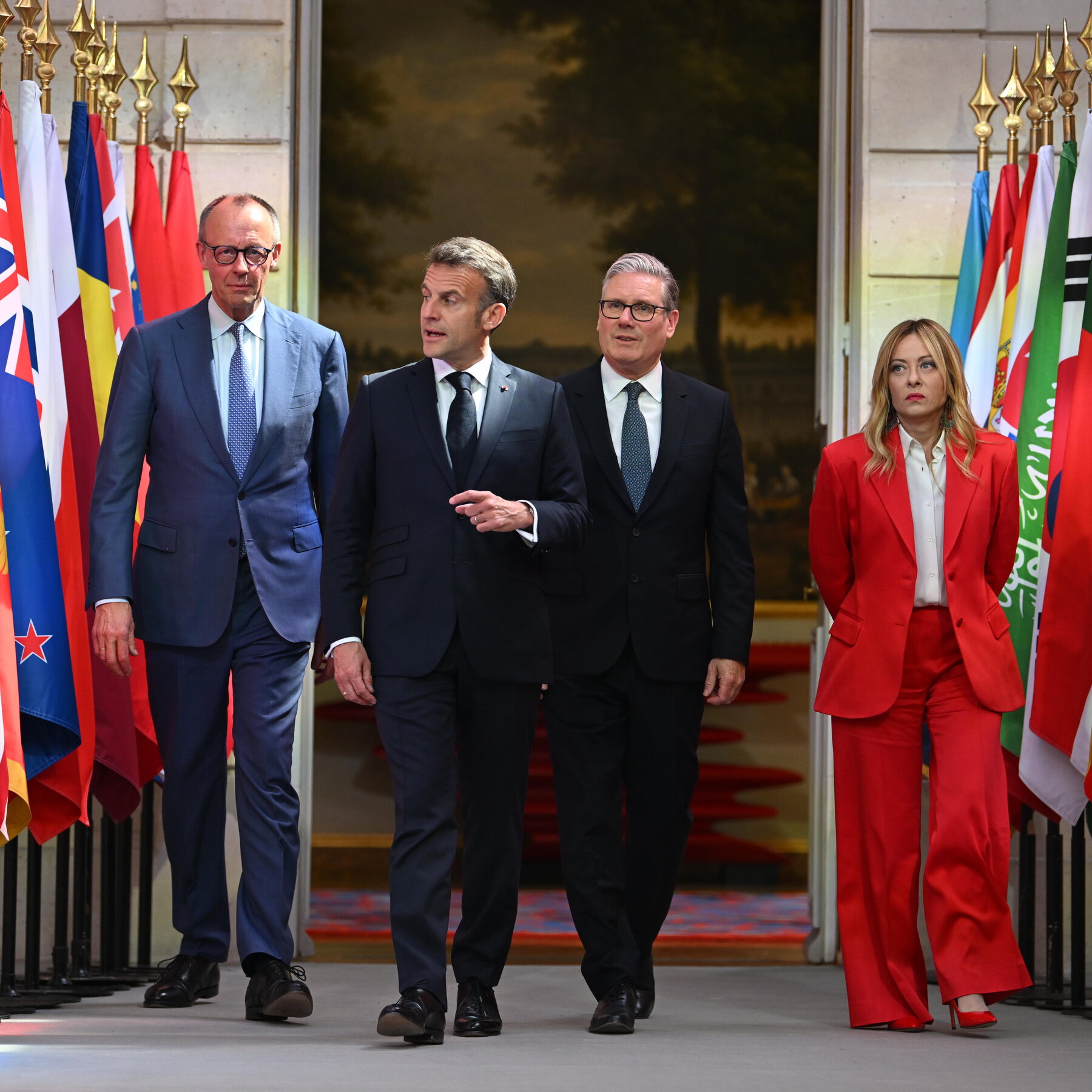
Security blueprints suggesting a need for broader international cooperation—such as proposals involving joint British and French contributions to maritime security—highlight potential avenues for increased European participation. Such joint efforts could theoretically embed the continent more deeply into the operational planning for regional stability. However, the prevailing narrative from key regional players and direct global competitors indicates that these broader partnerships are currently secondary to the direct strategic interests articulated by the involved superpowers, leaving European stakeholders in a supporting, rather than leading, capacity.
The Implications for European Strategic Autonomy
The situation underscores a persistent challenge regarding Europe’s perceived strategic autonomy in the face of intense global competition. If critical maritime chokepoints are viewed primarily through the lens of the competing strategic visions of major global powers, European diplomatic and military contributions risk being relegated to supporting roles. This dynamic raises questions about the efficacy of European security mechanisms when juxtaposed against bilateral, superpower-level agreements. For European nations, the operational gap between being invited to contribute expertise and being entrusted with ultimate command authority remains substantial.
Understanding the Strategic Significance of the Strait of Hormuz
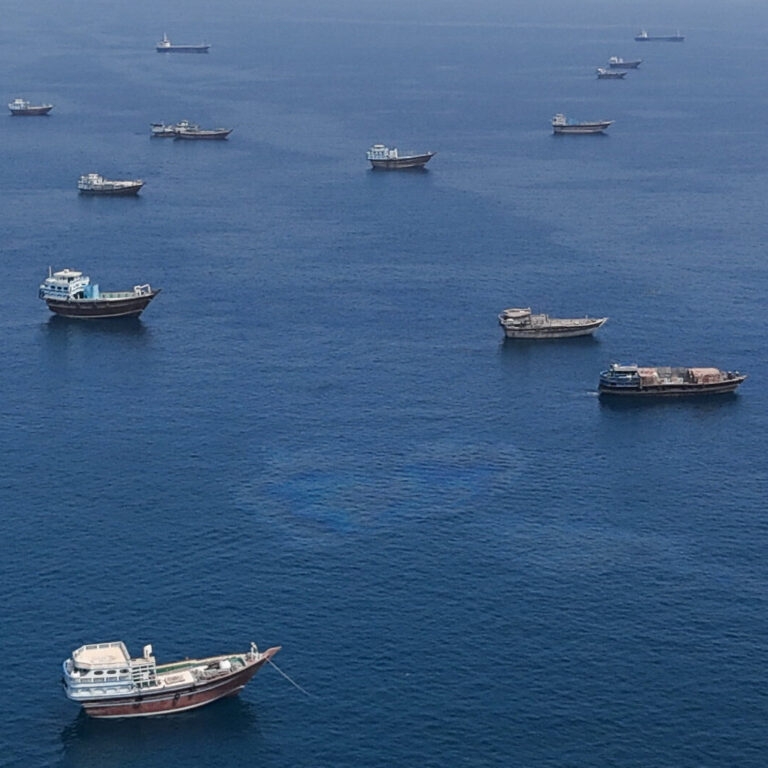
The Strait of Hormuz represents one of the world’s most vital energy conduits, channeling a significant percentage of global liquid natural and liquefied gas exports. Any disruption in this narrow passage has immediate, cascading effects on global energy markets and the world economy. Consequently, the security of the maritime routes passing through it is a central concern for international commercial interests. Maintaining this flow is not merely a local concern but a global economic imperative, which naturally draws the highest levels of geopolitical attention and commitment from the world’s most powerful economic and military entities.
Geopolitical Context and Future Outlook
The backdrop against these tensions is one of shifting regional alliances and heightened great-power competition. When international crises emerge, the established frameworks for collective security are often tested. While multinational proposals exist to bolster oversight and defense capabilities, the locus of ultimate decision-making remains concentrated. For European stability and influence to increase tangibly in such crucial theaters, future diplomatic efforts will need to move beyond purely contributory planning toward securing defined decision-making roles in global security architecture.
About the Author