U.S. Navy Interdicts Iranian-Flagged Vessel Amid Continued Oil Sanctions Pressure
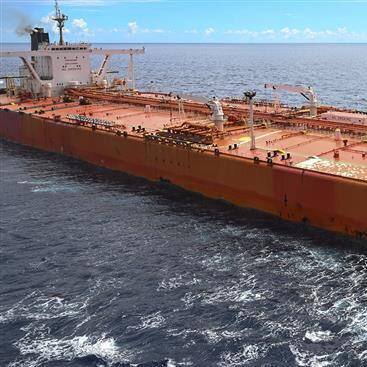
Recent actions by the U.S. military have focused on intercepting vessels suspected of transporting Iranian oil. Officials within the Department of Defense confirmed the boarding of a specific tanker, identified as the M/T Tifani, which was reportedly carrying oil originating from Iran. This interception marks another notable effort by American forces to exert pressure on the structure of Iran’s economy, particularly its reliance on hydrocarbon exports.
The sequence of these events suggests a persistent pattern of maritime enforcement designed to curb the flow of Iranian commodities. This latest seizure follows prior incidents, including the boarding of another Iranian-flagged cargo ship in the vicinity of the critical Strait of Hormuz. Such operations underscore the ongoing strategic tension regarding international energy trade routes and adherence to existing economic sanctions regimes.
The Implications of Maritime Interdictions
The repeated seizures and inspections of oil tankers present significant implications for global energy markets and international shipping law. From a geopolitical standpoint, these actions are clearly aimed at disrupting the revenue streams that are central to Iran’s financial stability. By targeting the physical means of exporting its primary commodity, the U.S. military is attempting to diminish the nation’s economic leverage on the world stage.
For the global energy community, these interventions raise critical questions regarding the safety of international waterways and the established norms of maritime transit. The routine enforcement of sanctions through naval action creates a heightened level of risk premium for all commercial shipping passing through contested zones, forcing shipping companies to navigate a complex and volatile operational environment.
Deepening Economic Pressure
The sustained nature of these military actions indicates a long-term policy objective: to fundamentally alter the economic calculus of the Iranian regime. Oil revenue remains the cornerstone of the country’s economy, funding its infrastructure, government functions, and international engagements. By repeatedly intercepting and examining tankers, the goal is to introduce profound uncertainty and tangible financial hardship directly related to their export capacity.
This pattern of enforcement builds upon existing restrictions, serving as a visible, kinetic demonstration of the impact of sanctions policy. It signals to global stakeholders that the movement of Iranian oil, even through technically neutral waters, remains subject to intense scrutiny and potential physical intervention by U.S. naval assets.
Geopolitical Context and Maritime Chokepoints
The operational focus on vessels near the Strait of Hormuz is highly significant due to the strait’s critical status as a global chokepoint. This narrow passage is essential for the flow of oil and gas from the Persian Gulf to international markets. Any disruption or heightened risk in this area affects economies far beyond the immediate conflict zone, making the passage a central point of geopolitical concern for global maritime security bodies.
Ultimately, these reported military interdictions serve as a highly visible measure of sustained international pressure. They reinforce the narrative that the financial mechanisms underpinning the Iranian state’s activities are under constant review and direct challenge from external military powers.
About the Author