Diplomatic Crossroads: US-Iran Negotiations Face Uncertainty as Talks Approach Potential End
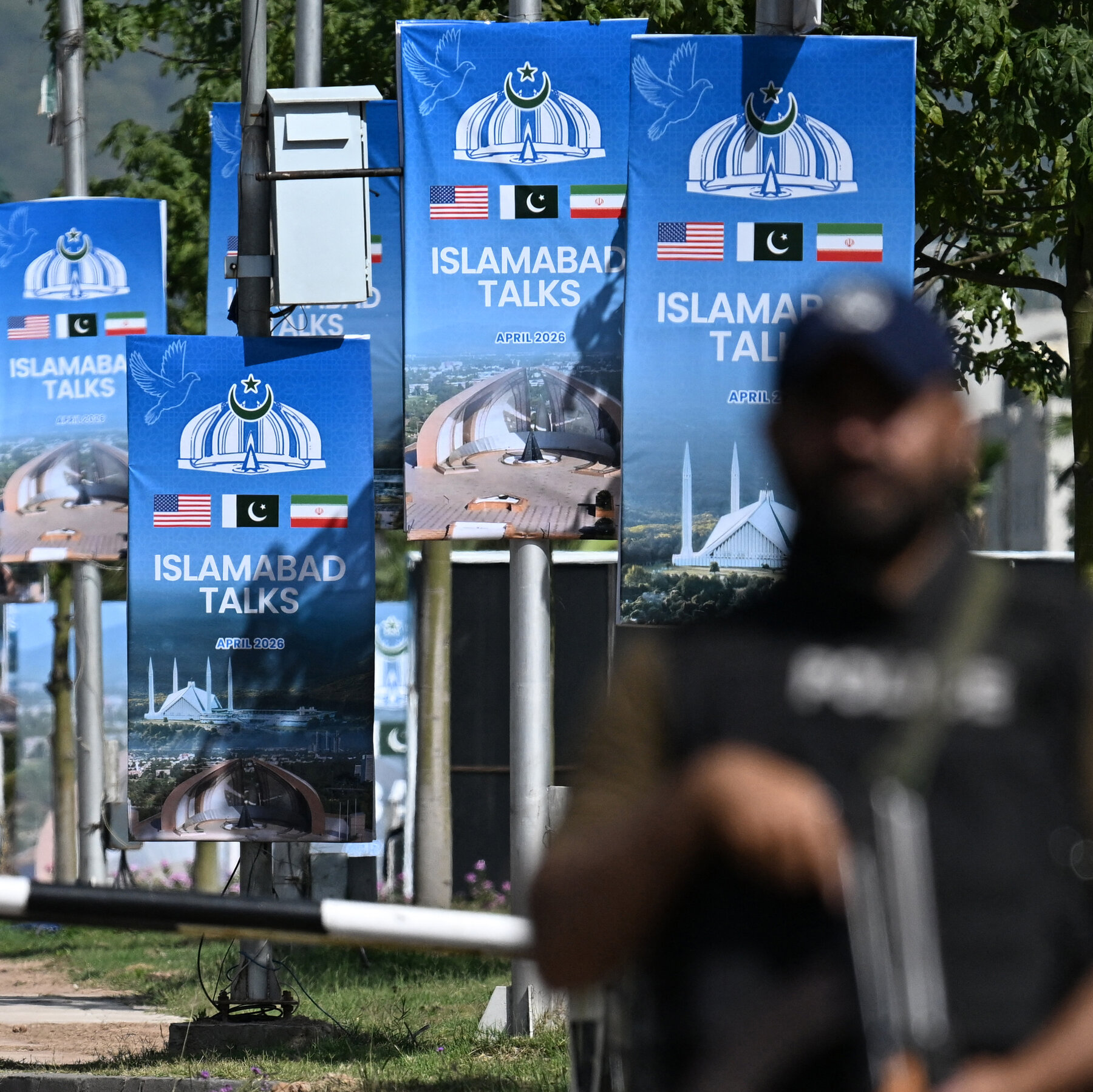
High-stakes diplomatic efforts aimed at de-escalating tensions between the United States and Iran are currently navigating a period of significant ambiguity. While various figures are positioned for potential back-channel discussions, concrete confirmations regarding the participation of key negotiating parties remain elusive. This uncertainty casts a shadow over the timeline and ultimate outcomes of talks intended to foster stability in the region.
Central to the ongoing negotiations is the potential involvement of international mediators. Reports indicate that certain political figures, such as Vice President JD Vance, were slated to participate in discussions in a neighboring country, signaling an active push toward dialogue. However, the critical hurdle remains the official confirmation from Iran itself regarding its representatives’ attendance. Without this key commitment, the path toward a tangible resolution remains undefined, leaving observers and policymakers in a state of cautious anticipation.
What This Means for Regional Stability
The delicate state of these negotiations suggests that the immediate future of U.S.-Iran relations hinges on a breakthrough agreement. If meaningful dialogues cannot materialize or if the parties fail to reach consensus on a path forward, the risk of escalating tensions increases. Stability in the Middle East is deeply intertwined with the relationship between Washington and Tehran; therefore, any sustained inability to communicate or agree on terms can ripple outward, affecting global energy markets, trade routes, and geopolitical alignments across the entire region.
Context of International Mediation
Historically, direct talks between these two nations have been fraught with resistance and shifting agendas, making external facilitation a near-constant feature of regional diplomacy. The proposed involvement of international stakeholders points to a global community attempting to create a robust diplomatic framework where direct bilateral talks have stalled. Such mediation efforts are designed not only to address immediate grievances but also to establish durable mechanisms for conflict management and mutual security cooperation.
Navigating the Next Steps
The current environment demands careful monitoring of diplomatic movements. The focus is shifting from the potential mere convening of meetings to achieving substantive, actionable agreements. The failure to confirm participation from one side, especially Iran, undermines the groundwork laid by other involved parties. Consequently, the international community awaits solid commitments to move beyond preliminary discussions and toward verifiable steps that could usher in a period of reduced hostility and renewed diplomatic engagement between the two powerful nations.
About the Author