From Incarceration to Inspiration: A Prisoner’s Journey to Literary Voice and Love
For years, life’s trajectory for one individual was violently altered by the harsh realities of a judicial system. After enduring a period culminating in a forced confession and the threat of the ultimate penalty, this Kurdish poet found himself incarcerated for three decades. This period of confinement, far from being a period of silence, unexpectedly became a crucible for his artistic spirit. Within the confines of prison walls, the poet was compelled to rediscover and redefine his own voice, transforming years of hardship into a profound source of creative output.
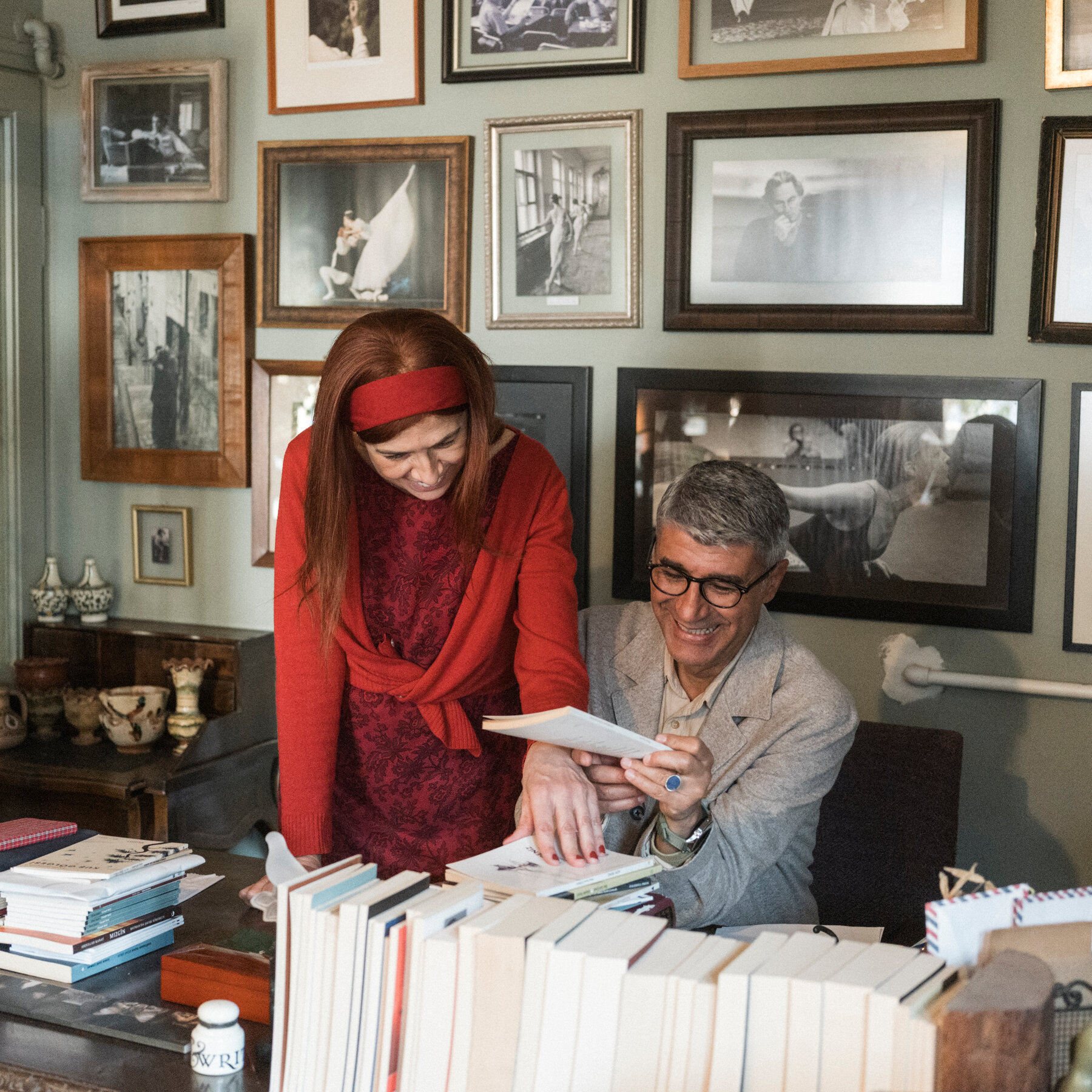
What began as a struggle for survival within the penal system blossomed into an unlikely source of personal renaissance. It was during these isolated years that his literary talent found a powerful, enduring outlet. More remarkably, the journey of his intellectual and creative support system proved to be more profound than any poetry. A figure who championed his work, acting as a literary advocate, unexpectedly became the central figure in his personal life, leading to a deeply personal relationship.
The Significance of the Ordeal
The story illustrates a powerful theme: that profound self-discovery and even personal transformation can emerge from the most extreme duress. The years spent behind bars forced the poet into a necessary confrontation with his inner self. Writing became not just a pastime, but a vital lifeline, a means of maintaining identity and narrative when external freedoms were stripped away. This literary output, born from confinement, suggests that the greatest artistic depths can be unearthed when all other supports are removed, leaving only the core creative impulse.
Unexpected Bonds Forged in Adversity
Beyond the verses composed during his imprisonment, the narrative highlights the unexpected nature of human connection. The bond that formed between the poet and his literary champion defied conventional expectations. This relationship, developing amidst the backdrop of intense personal struggle, speaks to a deep mutual understanding—one where artistic recognition and profound emotional support intertwine. It is a testament to how shared experience, particularly one as fraught as political imprisonment, can forge bonds unlike any other.
Contextualizing Artistic Resilience
The poet’s experience offers a compelling commentary on the relationship between state repression and artistic expression. Historically, literary figures operating under authoritarian conditions often find their most potent work in defiance of the regime itself. For this individual, the poems written while detained did more than just record his life; they served as an act of intellectual endurance, maintaining a cultural narrative against systemic attempts to silence him. His survival and subsequent flowering of his writing demonstrate the enduring, and sometimes volatile, power of art to persist even under the weight of decades-long restriction.
About the Author