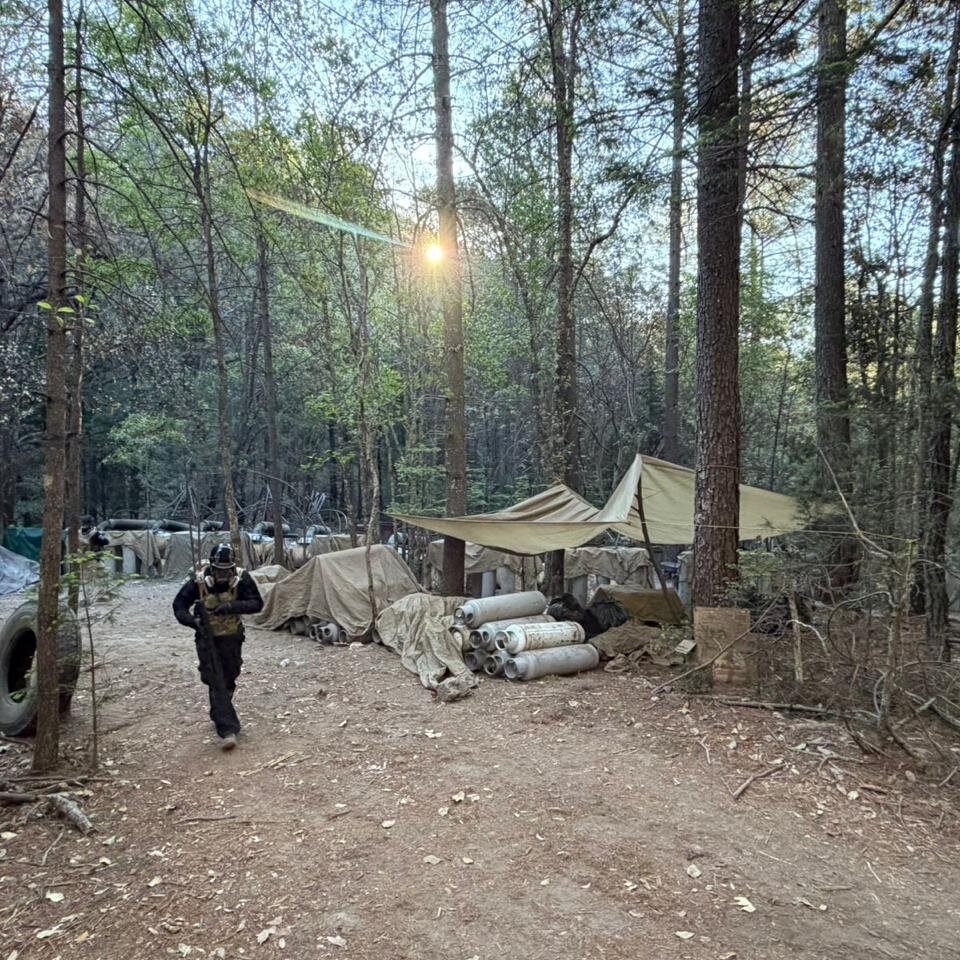
The recent loss of two American lives occurred during a complex mission in Chihuahua state, Mexico. The pair was reportedly returning from an operation coordinated with Mexican federal armed forces. The objective of this joint effort was focused on dismantling illicit drug manufacturing laboratories operating within the region.
Details surrounding the incident suggest the crash happened on a Sunday, immediately following the conclusion of the joint effort. While the mission itself was aimed at significant counter-narcotics efforts, the subsequent travel proved fatal for the two Americans involved. The nature of their affiliation has been noted, with some reporting linking them to intelligence community work.
This incident underscores the inherent dangers associated with anti-drug operations conducted in areas experiencing high levels of organized criminal activity. The presence of U.S. personnel, particularly those associated with intelligence agencies, highlights the complex security environment surrounding such multinational enforcement activities.
Significance and Implications
The deaths of these two individuals draw immediate attention to the operational risks faced by foreign nationals participating in joint law enforcement or military missions in areas plagued by drug trafficking. Such incidents often prompt reassessments of security protocols for international cooperation. Authorities investigating the crash will likely focus on whether the remote location, the nature of the joint operation, or post-mission travel conditions contributed to the accident.
Furthermore, the connection of the deceased to intelligence community roles elevates the incident beyond a simple traffic fatality. It suggests a potential link to sensitive operational details or high-value intelligence gathering, which adds layers of complexity to the official investigation process and international governmental response.
Context of Operations in Chihuahua
Chihuahua has been a persistent focal point for drug interdiction efforts across North America. Mexican authorities have repeatedly deployed significant federal resources to dismantle clandestine production sites, which represent substantial economic and public safety concerns. These operations are rarely straightforward, often taking place in remote, volatile territories that challenge standard logistical and safety procedures.
When U.S. personnel participate in such joint endeavors, it signals a formal level of bilateral cooperation concerning transnational criminal threats. However, the underlying reality remains that the region’s criminal elements can be unpredictable and highly dangerous, making any movement, even after a successful mission, inherently risky for all involved parties.
The investigation will therefore be scrutinized not only for determining the cause of the vehicular accident but also for what it reveals about the overall security framework governing international counter-narcotics deployments in sensitive border regions.
About the Author