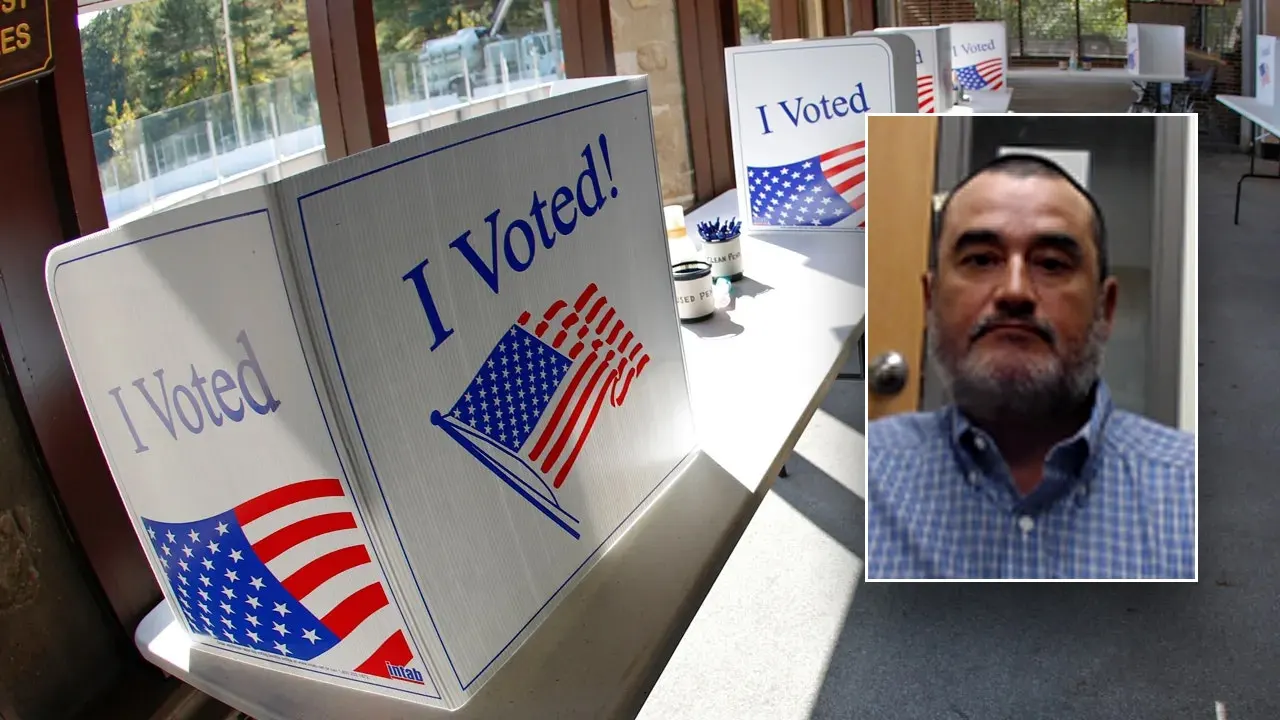
Former Local Official Confronts Legal Consequences Following Voter Fraud Pleas
A former mayor from a small Kansas community has been apprehended by federal immigration authorities. The individual, Jose Ceballos-Armendariz, surrendered to U.S. Immigration and Customs Enforcement (ICE) in Wichita after pleading guilty to charges related to illegal voting in multiple American elections. His appearance at the ICE facility marks a significant development concerning the legal repercussions stemming from election misconduct allegations.
Ceballos-Armendariz, who holds a green card and is originally from Mexico, was found in custody at the ICE detention center in Chase County. While expressing uncertainty about his immediate future while detained, the incident highlights the intersection of local governance, electoral integrity, and federal immigration law.
The Scope of the Misconduct
The legal issues stem from actions that occurred over time, involving false declarations related to U.S. citizenship. Authorities focused on charges of disorderly election conduct, which led to Ceballos-Armendariz pleading guilty to multiple counts. Evidence reviewed by reporters indicated that on a voter registration form in Kansas, the individual incorrectly affirmed that he was a U.S. citizen, a status which authorities determined to be false. Furthermore, during the citizenship application process, there were allegations of misrepresenting his prior claims regarding U.S. citizenship.
The individual previously served multiple terms as mayor of Coldwater, Kansas. Beyond the election misconduct charges, public records also reveal a prior conviction for battery dating back to 1995. The plea agreement reached with the state’s Attorney General’s office formalized the consequences for his involvement in these electoral irregularities.
Implications for Local Leadership and Elections
This case underscores the serious legal ramifications that can follow involvement in election processes, regardless of an individual’s prior civic stature or local elected position. The situation draws attention to the stringent verification requirements surrounding voter eligibility and the legal definitions of citizenship necessary for participating in democratic processes. The handling of these cases by multiple governmental bodies—local, state, and federal immigration—shows the layered complexity when civic misconduct intersects with immigration status.
For the community and the broader public, the incident reinforces the principle that engaging in fraudulent election activities carries substantial legal weight. The actions taken by law enforcement and prosecutors emphasize that maintaining the legitimacy and integrity of the voting system remains a paramount concern for regulatory bodies and judicial systems.
About the Author