“title”: “University Threats Case: Four Accused Receive Release on Bond After Facing Conspiracy Charges”,
“content”: “
University Threats Case: Four Accused Receive Release on Bond After Facing Conspiracy Charges
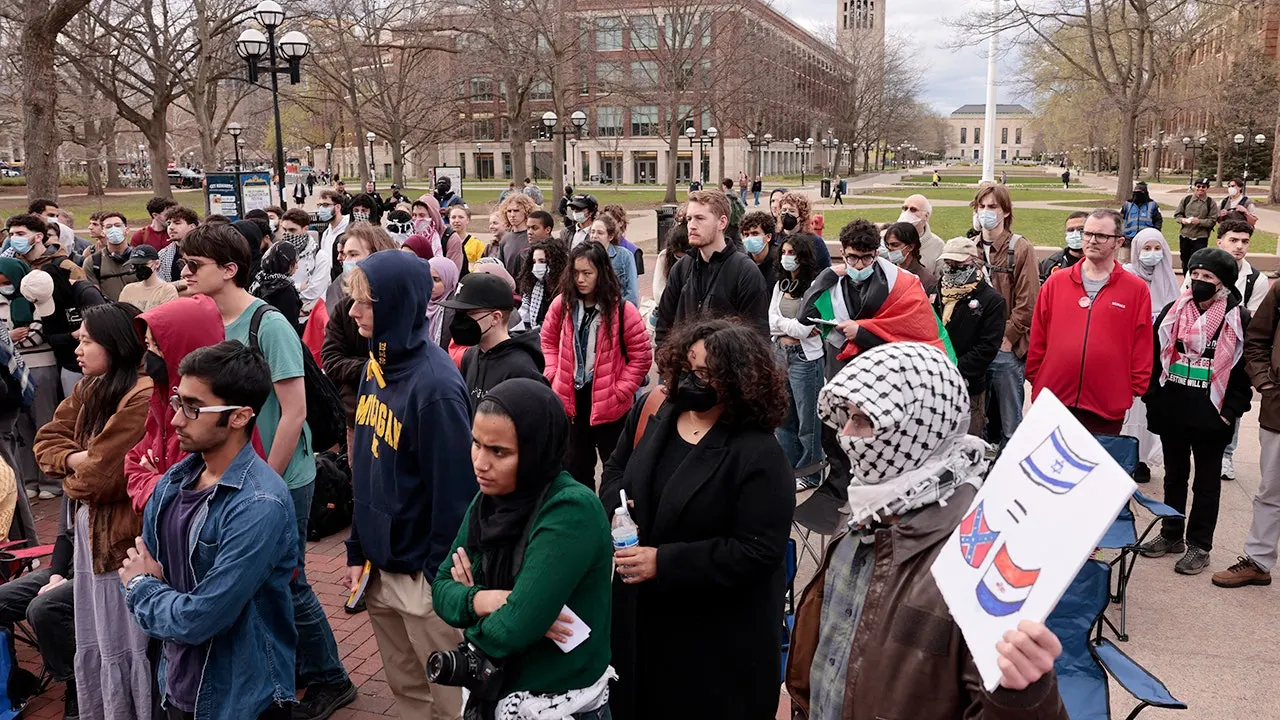
Federal authorities recently addressed charges related to alleged harassment and threats against Jewish community members and leaders at the University of Michigan. Eight individuals, predominantly college-aged, were charged with conspiring to intimidate groups and officials. These allegations stemmed from coordinated activities intended to pressure the university and local businesses regarding their affiliations with Israel. Following initial charges, four of the defendants—identified as Zainab Hakim, Paige Feyock, Jonathan Zou, and Colin Weger—were recently released from custody after entering not guilty pleas.
The judicial proceedings required the defendants to adhere to strict conditions upon their release. These measures include surrendering passports, maintaining a complete no-contact boundary with both alleged victims and co-defendants, and submitting to electronic monitoring, such as GPS tracking, alongside travel restrictions. These court stipulations reflect the court’s management of the defendants’ status following their initial legal hearings.
The charges center on a pattern of behavior alleged to have begun shortly after the October 7, 2023, attacks in Israel. Authorities claim the group coordinated actions to intimidate various figures, including university administrators and law enforcement personnel, targeting those perceived to be supporting Israel financially. Tactics cited in the indictment included making threatening spray-paint markings, vandalizing property, and using symbols associated with militant groups to instill fear.
Significance and Impact of the Legal Proceedings
The core issue at play involves the intersection of free expression, political activism, and criminal intimidation. The government’s case heavily relies on digital evidence, including social media posts, which significantly shaped the judicial discussions surrounding the charges. While prosecutors argued for the continued detention of the accused, citing concerns over flight risk and community safety, the presiding judge’s emphasis on free speech principles weighed heavily on the final decision regarding bond conditions. The release signals that, under current judicial interpretation, the defendants are not considered an immediate danger requiring pre-trial detention, provided they strictly adhere to all court-mandated restrictions.
Context of Campus Activism and Conflict
The charged activity unfolded within a backdrop of intense political debate surrounding Israel and the University of Michigan’s institutional policies. The initial catalyst for the alleged conspiracy was linked to efforts to persuade the university to change its divestment status regarding Israel. Beyond the legal proceedings, previous documented incidents, such as the staging of fake bodies at a university regent’s home in May 2024, illustrate the nature of the alleged threats and intimidation tactics used by the group to pressure community stakeholders.
**}{ “
About the Author