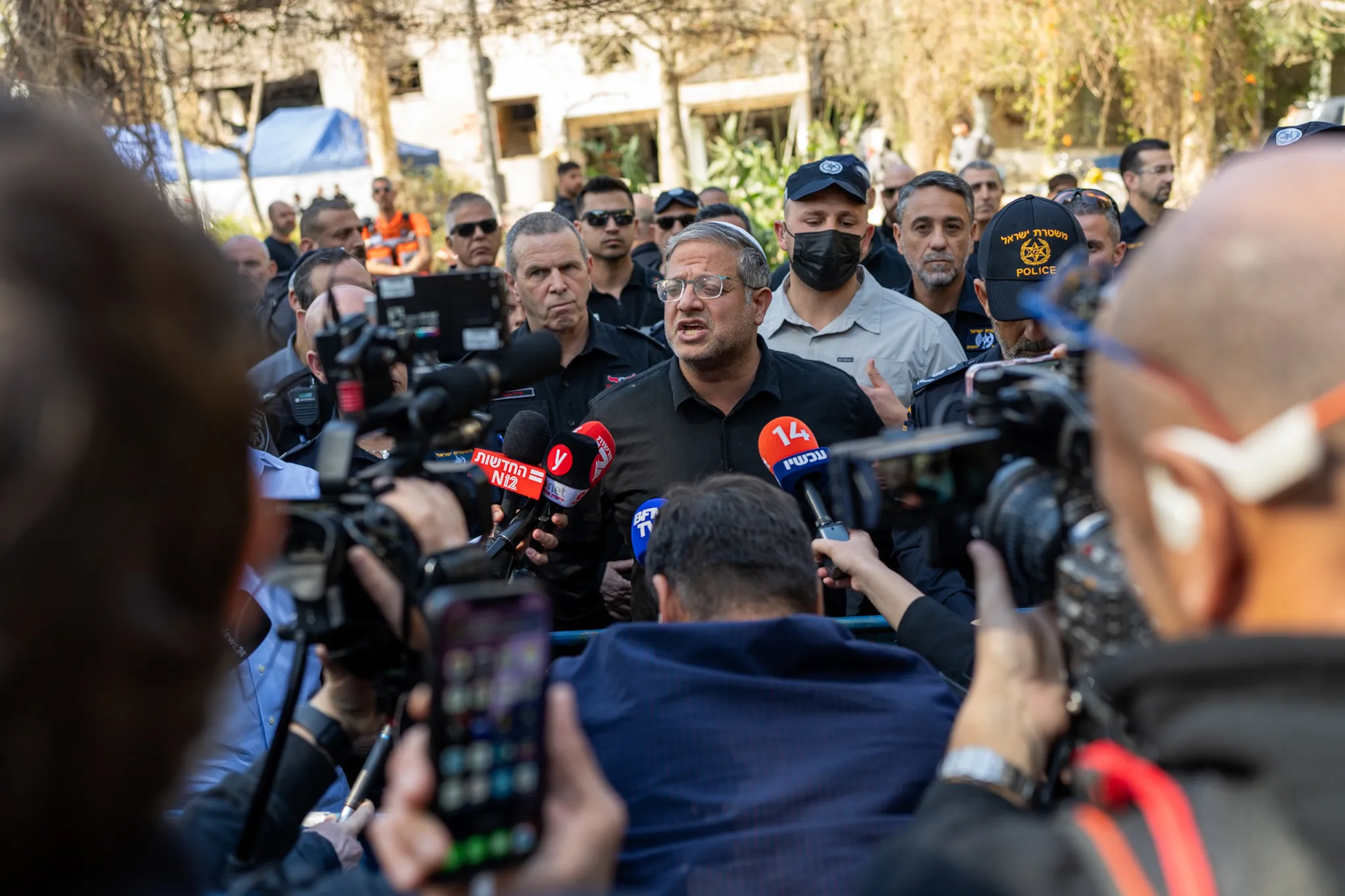
France Imposes Ban on Israeli Minister Amid Controversy Over Flotilla Detainees
French authorities have taken decisive action, officially banning the far-right Israeli National Security Minister, Itamar Ben-Gvir, from entering French territory. This measure was enacted following public outcry triggered by video footage showing the minister taunting activists who were part of a recent global flotilla operation. The government deemed his behavior unacceptable, especially considering the alleged mistreatment of individuals from the flotilla whose vessels were intercepted in international waters.
The decision underscored a firm stance from the French government regarding the protection of its citizens and nationals abroad. Officials stated they would not permit the intimidation or threat of French citizens by a high-profile public figure. This action follows international condemnation from several European nations who were deeply concerned by the manner in which the activists were detained and handled by Israeli forces.
What This Means: International Scrutiny and Human Rights Concerns
The ban reflects a growing pattern of international diplomatic pressure concerning human rights practices. By targeting a specific official, France signals that its foreign policy is sensitive to accounts of abuse and mistreatment during protests or humanitarian activities. The allegations surrounding the detained activists—including severe allegations of sexual abuse and degradation within detention facilities—have heightened international scrutiny of the authorities involved. The diplomatic fallout has prompted calls from several nations to impose further sanctions against the implicated official.
Background and Context: The Global Sumud Flotilla Incident
The controversy stems from the interception of the Global Sumud Flotilla off the coast of Cyprus. During the week in question, Israeli naval forces intercepted several vessels carrying protestors. While some participants were eventually released, the circulated videos depicting the activists—some bound and disoriented—being subjected to the minister’s perceived gloating ignited widespread outrage. Furthermore, statements released by the flotilla organizers detailed alarming accounts of abuse sustained by the detainees while in custody, citing multiple documented instances of sexual misconduct, which escalated the diplomatic tension significantly.
The swift nature of the French ban, which included joint calls for further sanctions from European peers, establishes a clear precedent: conduct deemed grossly violating human dignity, particularly when involving national figures, carries significant diplomatic repercussions on the international stage.
About the Author




