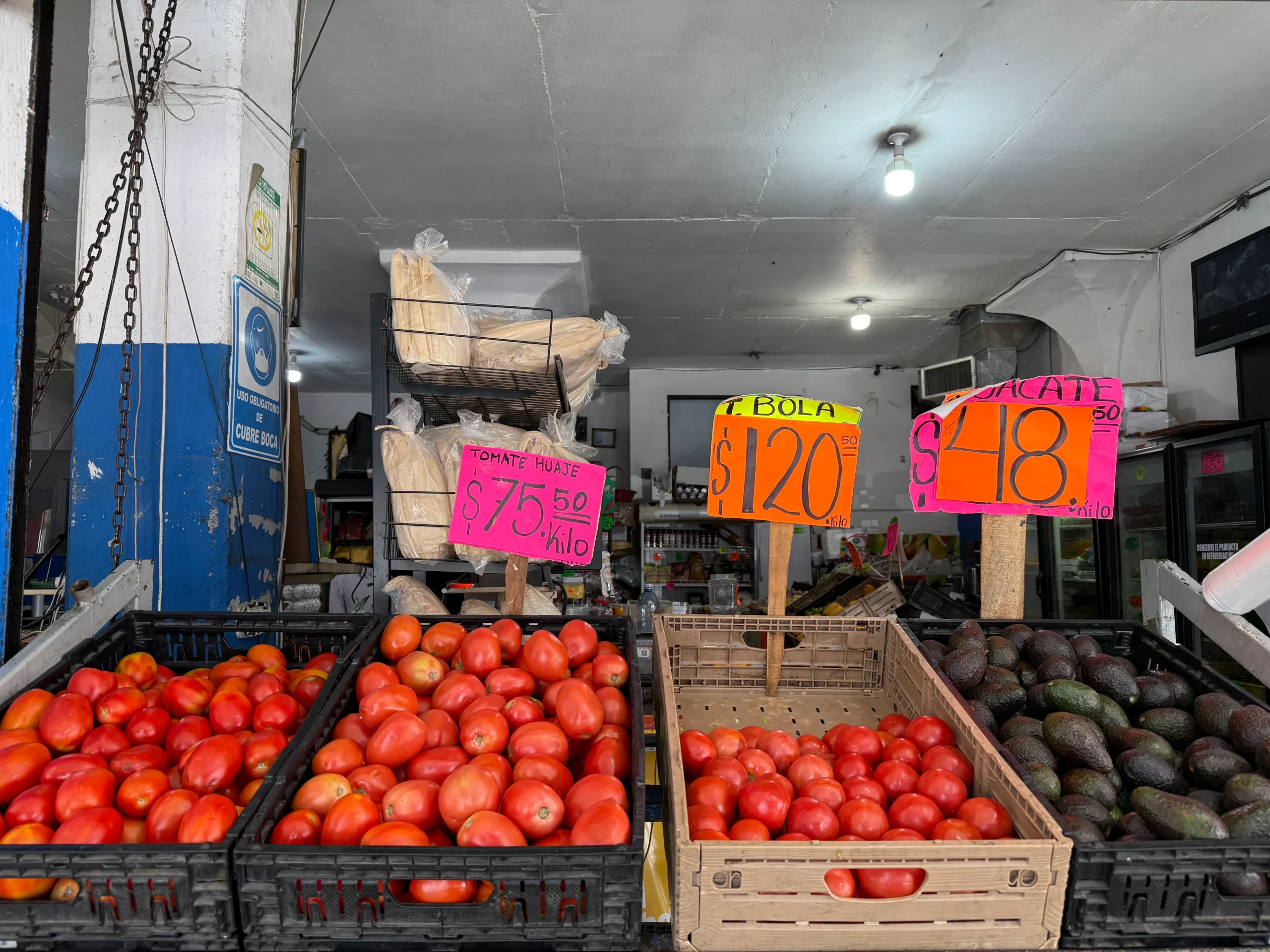
Rising Global Costs Threaten Food Stability in Mexico
Escalating international expenses, particularly in essential inputs like fuel and agricultural fertilizers, are creating significant headwinds for the Mexican economy. These cost increases, partly fueled by shipping instability in crucial global waterways, are trickling down to affect consumers and producers alike. In major urban markets, daily staples—ranging from fresh vegetables to meat—are experiencing sharp price surges. This forces households, especially those with limited incomes, to drastically alter their purchasing habits and implement strict rationing to manage daily expenses.
The strain is visible across supply chains, where local vendors struggle to maintain profitability amidst soaring operational costs. Beyond international commodity prices, domestic challenges compound the pressure, including rising expenses for transportation and an increase in security risks along major thoroughfares. These combined pressures are generating a confluence of economic hardships that directly impacts the basic well-being and nutritional intake of the general population.
The Immediate Economic Impact on Households
The financial pinch is most acute for low-income families, who allocate an overwhelming percentage of their total earnings solely to acquiring necessary foodstuffs. This tight financial squeeze means that meeting basic nutritional requirements becomes an immense daily struggle for many. Economic indicators reflect this fragility: while general inflation has been reported, the cost of the foundational food basket in urban areas has been rising at a rate that significantly outpaces the broader inflationary trends.
Compounding the consumer difficulties is a precarious labor market. The national economy has shown signs of stagnation, which correlates with a high percentage of workers operating in the informal sector. This suggests that a large portion of the workforce lacks stable income streams, making them exceptionally vulnerable to sudden increases in the cost of living.
Context and Contributing Factors
The difficulties observed in the food sector are traceable to several intersecting factors. On the international front, geopolitical tensions are driving up energy prices, which inherently inflates the cost of moving goods and maintaining agricultural operations. Domestically, supply chains are further complicated by shifts in trade regulations, such as the removal of tariff exemptions on agricultural imports from key neighboring countries. Furthermore, localized issues, such as outbreaks affecting livestock trade, contribute to supply bottlenecks and price inflation for specific protein sources like beef and pork.
Significance for Long-Term Stability
The combination of international supply shock, domestic economic stagnation, and heightened food inflation points toward a period of significant macroeconomic risk. When basic necessities become disproportionately expensive, the stability of the entire social structure is threatened. For the average citizen, managing essential household budgets is no longer about minor adjustments but involves making severe trade-offs between different goods and services. Addressing this requires stabilization of global energy markets and structural support for low-income families to prevent widespread decreases in living standards and nutritional security.
About the Author




