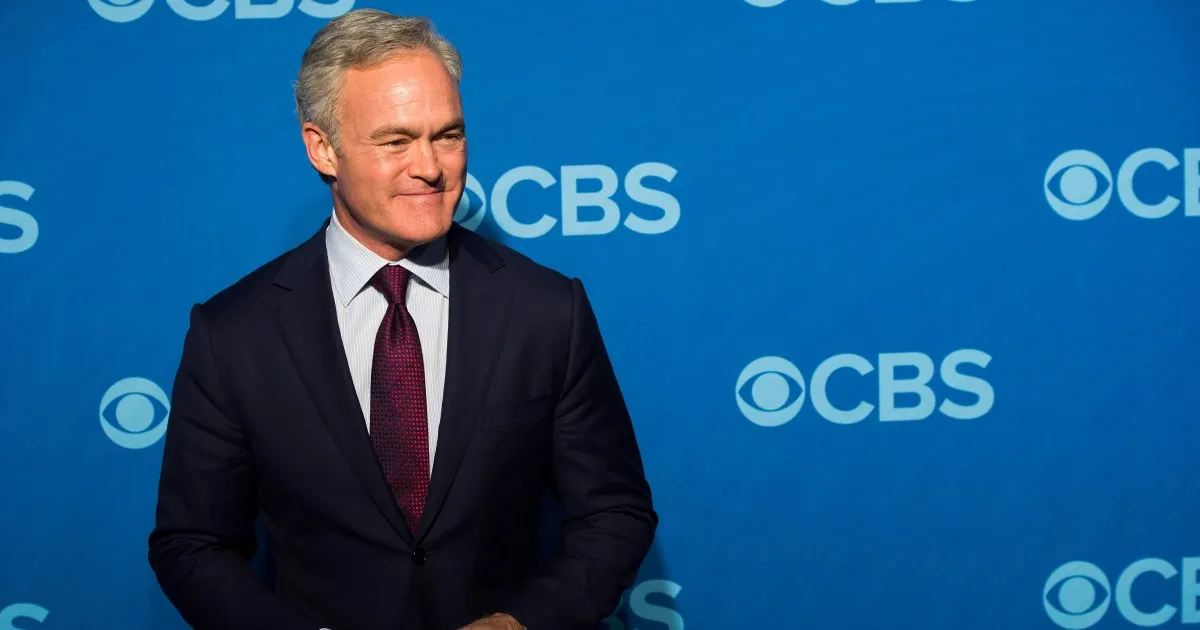
The highly influential investigative news program, 60 Minutes, has experienced significant upheaval following the recent dismissal of a veteran correspondent. The departure marks a notable escalation in internal disputes, stemming from public disagreements between seasoned on-air talent and the program’s current leadership structure. These tensions suggest a period of deep institutional flux, suggesting that differing visions for the program’s editorial direction are at odds with the established management team.
Sources indicate that the friction escalated during a recent staff meeting where the correspondent reportedly voiced strong criticisms regarding the program’s trajectory under new executive guidance. The critique extended beyond operational changes, touching upon the perceived journalistic integrity and fundamental character of the news magazine. These public exchanges have cast a spotlight on the power struggles occurring behind the scenes of one of the most respected broadcasting formats in American television.
This pattern of exits and internal clashes points to a significant realignment within the organization. Multiple key personnel have departed in recent weeks, signaling a substantial transition in the creative and managerial control of the prime-time broadcast. The combination of leadership changes and visible professional disagreements has transformed what was once a stable news institution into a focal point of industry commentary regarding editorial freedom and network ownership influence.
What This Means:
The incident highlights the volatile relationship between journalistic veterans and shifting corporate media environments. When seasoned reporters publicly challenge editorial mandates—particularly accusations of compromised bias or altered focus—it signals a deep rift concerning journalistic purpose. The abrupt nature of the dismissal, juxtaposed with public confrontation, raises questions about accountability and the ability of the institution to reconcile its storied history with new management objectives. The focus shifts from the content delivered to the internal mechanisms of governance itself.
Background / Context:
The turbulence is set against a backdrop of recent leadership restructuring on the network. The arrival of new producers and editors has already catalyzed changes in segments coverage and editorial focus. Previous staff departures were sometimes tied to specific story decisions, such as the postponement of crucial international reporting related to immigration enforcement. These previous incidents provided context to current tensions, suggesting that editorial sensitivity and the handling of politically charged stories are flashpoints for disagreement among the veteran journalists and the governing executives.
About the Author