Maritime Safety Guardian: A Critical Hub for Shipping Routes in the Middle East
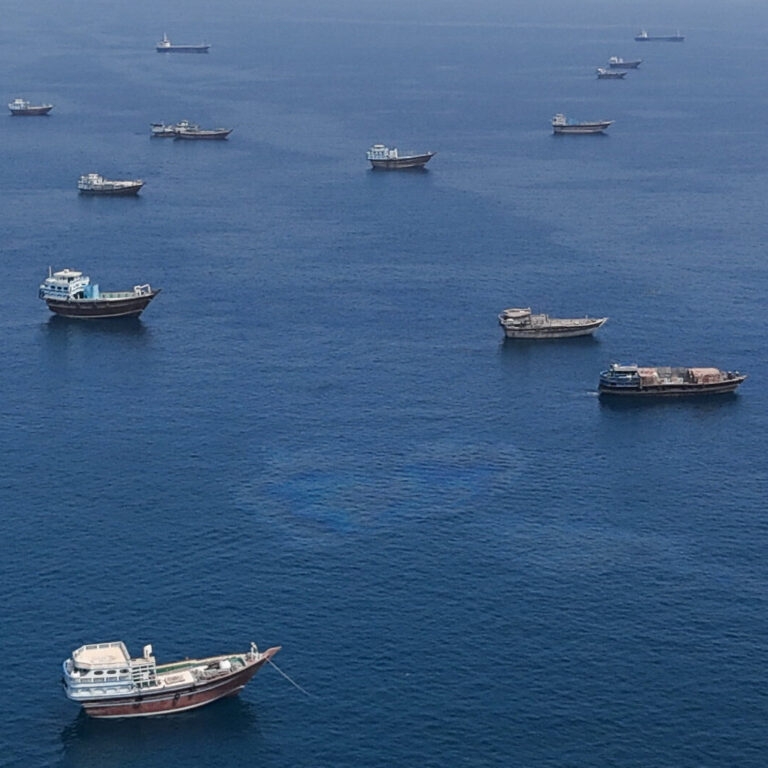
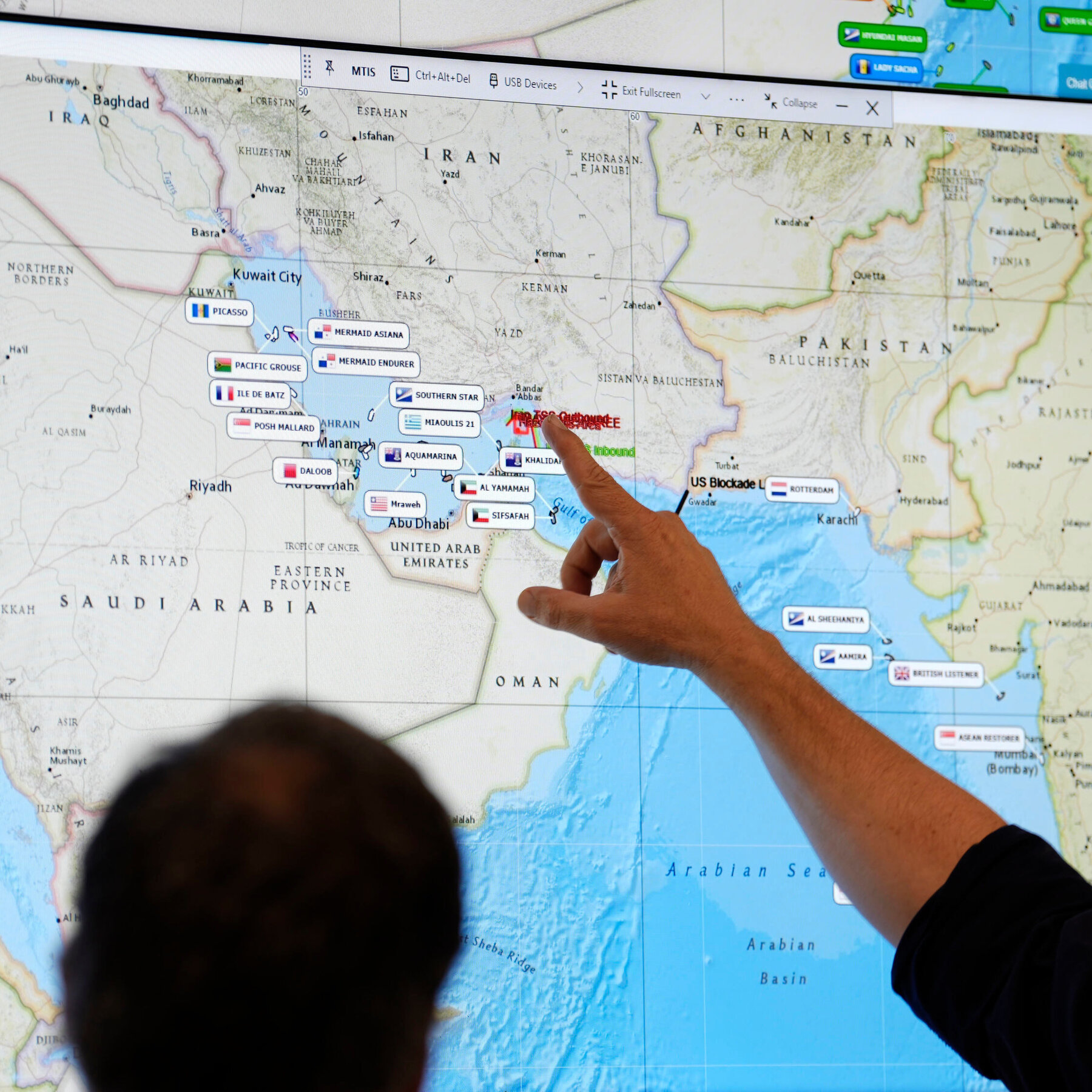
Modern global commerce is utterly dependent on the smooth flow of goods through critical choke points. Among the most vital of these is the Strait of Hormuz, a narrow waterway through which a significant percentage of the world’s seaborne energy and trade passes. Ensuring the safety of the maritime traffic traversing these complex and geopolitically sensitive areas requires constant vigilance and expert coordination. From specialized operational centers managing distress signals, authorities maintain a near-constant watch over vast expanses of ocean, including the Persian Gulf, the Red Sea, and key segments of the Indian Ocean.
This operational capability relies on highly specialized, round-the-clock monitoring centers. These facilities are designed not merely as observation posts, but as immediate response hubs. They integrate advanced tracking systems, communication networks, and experienced personnel to act as an immediate lifeline for any vessel facing distress. When navigational hazards, weather emergencies, or other unforeseen crises arise, these centers are the initial point of contact, dispatching necessary aid and coordinating a response across international waters.
What This Means for Global Trade
The reliable functioning of these safety networks has profound implications that ripple outward to economies worldwide. The constant monitoring and rapid response capacity are essential because disruption in these maritime passages does not just halt local activity; it can trigger global supply chain crises, impacting everything from consumer goods availability to the price stability of energy resources. The operational integrity of these oversight centers essentially guarantees the routine movement of raw materials and finished products that keep industrialized economies functioning.
Operational Complexity and Scope
Managing safety across regions as diverse and strategically important as the Arabian Gulf and the Red Sea presents immense operational challenges. The sheer scale of the monitored area, combined with fluctuating geopolitical dynamics, demands an integrated approach. The centers responsible for this task operate as specialized maritime command points. Their personnel are trained to triage complex emergency calls—determining if a vessel requires immediate medical attention, navigational assistance, or specialized rescue operations. This level of 24-hour readiness signifies a permanent commitment to keeping vital global trade arteries open and secure.
Context of Global Maritime Governance
The management of international sea lanes involves layers of jurisdiction, national security concerns, and international law. Specialized agencies and military support installations play a pivotal role in bridging these gaps. They function as quasi-independent nodes of emergency response, coordinating with various naval and coast guard units from multiple nations when an incident occurs. This complex coordination structure highlights a global recognition that the safety of these shared waterways requires a unified, professional, and enduring commitment to maritime support.
About the Author