Transforming Adversity: How One Experience Catalyzed a Community Movement for Amputee Support
What begins as a personal crisis can evolve into a powerful engine for collective change. Following a devastating accident that necessitated the amputation of her leg, Monix Hetemeyer found herself at a crossroads. While the medical ordeal—stemming from a car accident involving an unlicensed driver—was life-altering, it catalyzed a shift from mere personal survival to building robust community support. Instead of letting her experience define her, Hetemeyer channeled her resilience and faith into establishing a dedicated support system for others facing similar life challenges.
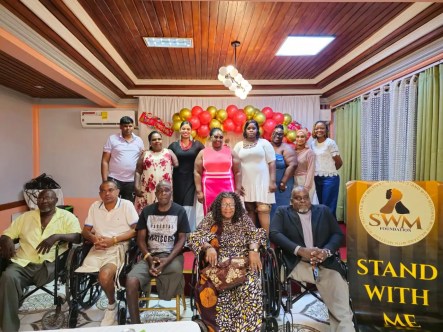
This initiative, branded the ‘Stand With Me’ Foundation, was conceived to address the profound isolation experienced by individuals with amputations. The organization functions as a crucial safe haven, a meeting ground where individuals can connect, exchange narratives, and find mutual encouragement. The goal is fundamentally about collective healing, ensuring that no one navigating limb loss has to face the emotional and practical struggles alone.
The core message driving this movement is a powerful refutation of limitation. Hetemeyer speaks directly to the societal tendency to pigeonhole identity based on physical trauma. Her platform emphasizes that an individual’s intrinsic worth and potential extend far beyond any disability or loss they have endured. This vision seeks to redefine public perception, shifting the focus from perceived deficits to inherent human capability and spirit.
The Ripple Effect of Resilience
The establishment of this foundation represents more than just a local support group; it is an attempt to broaden societal empathy and understanding of disability. The movement aims to dismantle the harmful notion that a major physical setback signifies the end of possibility. By encouraging members to share their triumphs alongside their struggles, the foundation turns lived experience into a positive, visible narrative of enduring strength. This peer-to-peer mentorship is vital, empowering participants to become sources of inspiration for others.
The foundation’s work is keenly timed, coinciding with recognized awareness periods for limb loss and difference. This focus allows them to increase visibility and drive necessary conversations with the wider public. The community members involved—a dedicated group of advocates, administrators, and support pillars—are actively working to weave a stronger safety net of support, proving that transformation can indeed be drawn from the most challenging life events.
Contextualizing the Need for Peer Support
The need for such structured support arises from the often-unseen psychological burdens accompanying physical trauma. While medical science advances treatments, community resources are needed to manage the emotional fallout—the fear, the adjustment period, and the feeling of marginalization. Support networks like this one provide the necessary counter-narrative: a place where one’s identity remains whole, intact, and multifaceted, regardless of physical alteration. This collective effort underscores a profound recognition that human connection is often the most powerful medicine.
About the Author