Opening Day Dynamics: Global Sporting Event Meets Local Tensions in Mexico City
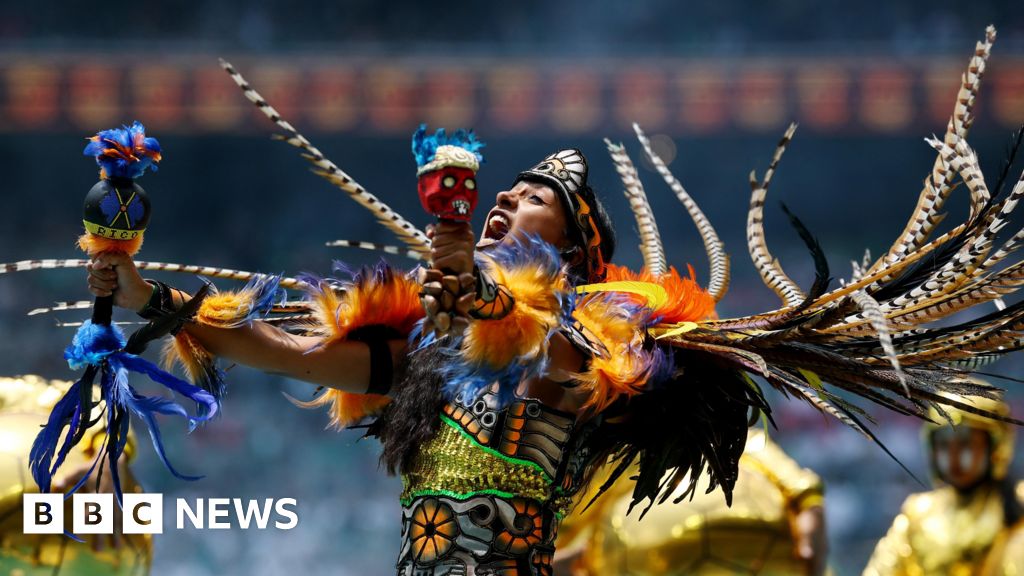
The commencement of the 2026 World Cup in Mexico City was marked by a vibrant blend of global sporting celebration and complex domestic undercurrents. The monumental occasion, drawing thousands of enthusiastic spectators to the historic Azteca stadium, centered on a spectacle of music and athleticism. The opening festivities featured performances from international artists, including global superstar Shakira, alongside other prominent musical acts, creating an atmosphere of immense anticipation for the tournament’s debut on Mexican soil after a four-decade hiatus.
While the pitch remained the focal point of national pride and international excitement, the perimeter of the celebration was not entirely peaceful. Security operations were notably heightened throughout the area. Outside the stadium grounds, separate demonstrations occurred, highlighting ongoing local concerns. Furthermore, the global attention accompanying the major sporting fixture provided a stage for activists and families to protest, drawing attention to persistent national issues.
What This Means: A Spotlight on National Priorities
The convergence of a massive international event with underlying social unrest underscores a recurring dynamic in large-scale global hosting. For the participating nations, the tournament presents a powerful platform for positive international representation through sports. Simultaneously, the visible demonstrations from local groups—such as educators and relatives searching for missing persons related to the drug conflict—serve as a public demand for sustained governmental attention to critical domestic challenges. The juxtaposition highlights the complex reality that a global sporting triumph does not erase pre-existing societal struggles.
Background / Context: The Atmosphere of Celebration and Concern
The enthusiasm among attendees was palpable, particularly as the host nation launched its campaign with a notable victory on the opening day. For many, attending the World Cup represented a once-in-a-generation experience, fostering a sense of collective excitement for the team’s performance. This sense of occasion encouraged a celebratory mood among attendees. However, this energy was punctuated by instances of civil disruption. Reports detailed confrontations between law enforcement and groups of protestors, leading to temporary shutdowns of nearby public transportation systems, even as official sources claimed the situation was eventually brought under control. The multi-hosting structure of the 2026 tournament, shared with the United States and Canada, meant that other participating nations were also scheduled to hold their respective opening ceremonies during the week.
About the Author