Cross-Channel Travel Sees Temporary Ease in Border Procedures
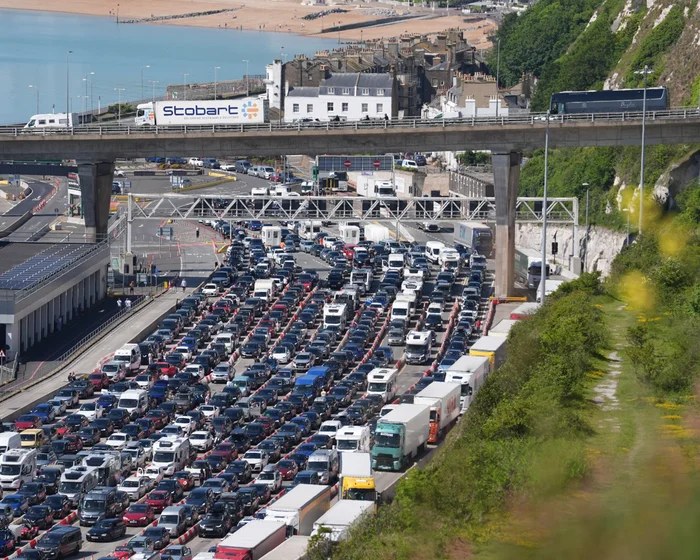
Travelers crossing from the UK to continental Europe, particularly via Dover, are currently experiencing noticeable shifts in border procedures. Following reports of significant backlogs, authorities have temporarily scaled back certain supplementary European Union border controls at the port. This adjustment comes as holidaymakers and general travelers manage long queues, particularly exacerbated by the current hot weather conditions.
Reports indicate that congestion at the terminal accessing France has led to substantial delays for departing passengers. At times, wait periods for processing and boarding have stretched to over two hours. The suspension of additional checks suggests a measure taken to manage the high volume of cross-Channel traffic while ensuring continued movement of people.
Significance for Commuters and Tourists
The temporary easing of these specialized border checks has immediate implications for the logistics and travel experience of thousands of people relying on this critical route. For tourists, this reduction in scrutiny might mean a quicker start to their continental holiday plans. For daily commuters, it points to an administrative attempt to stabilize flow and reduce systemic bottlenecks at a historically busy crossing point. However, the persistence of long wait times suggests that underlying pressures—whether related to volume, operational capacity, or environmental factors like the heat—remain significant.
Context of Cross-Channel Travel
The Dover crossing remains one of the most vital arteries connecting the UK to mainland Europe. This high level of utilization means that any procedural changes, whether streamlining or slowdowns, are immediately felt across the travel spectrum. Authorities monitoring these corridors are closely tracking the impact of these operational adjustments to restore predictable passage times for the traveling public.
Operational Adjustments
The decision to suspend certain supplementary checks is not an indication of permanent policy change, but rather a dynamic operational response. It signals that the management of passenger flow is adapting in real-time to prevailing conditions. The goal of such measures is generally to maintain essential travel links while preventing an accumulation of delays that could compromise the safety or comfort of the departing crowds.
This current situation underscores the delicate balance required to manage major international transit points, where fluctuating numbers of people interact with complex, multi-layered regulatory requirements.
About the Author




